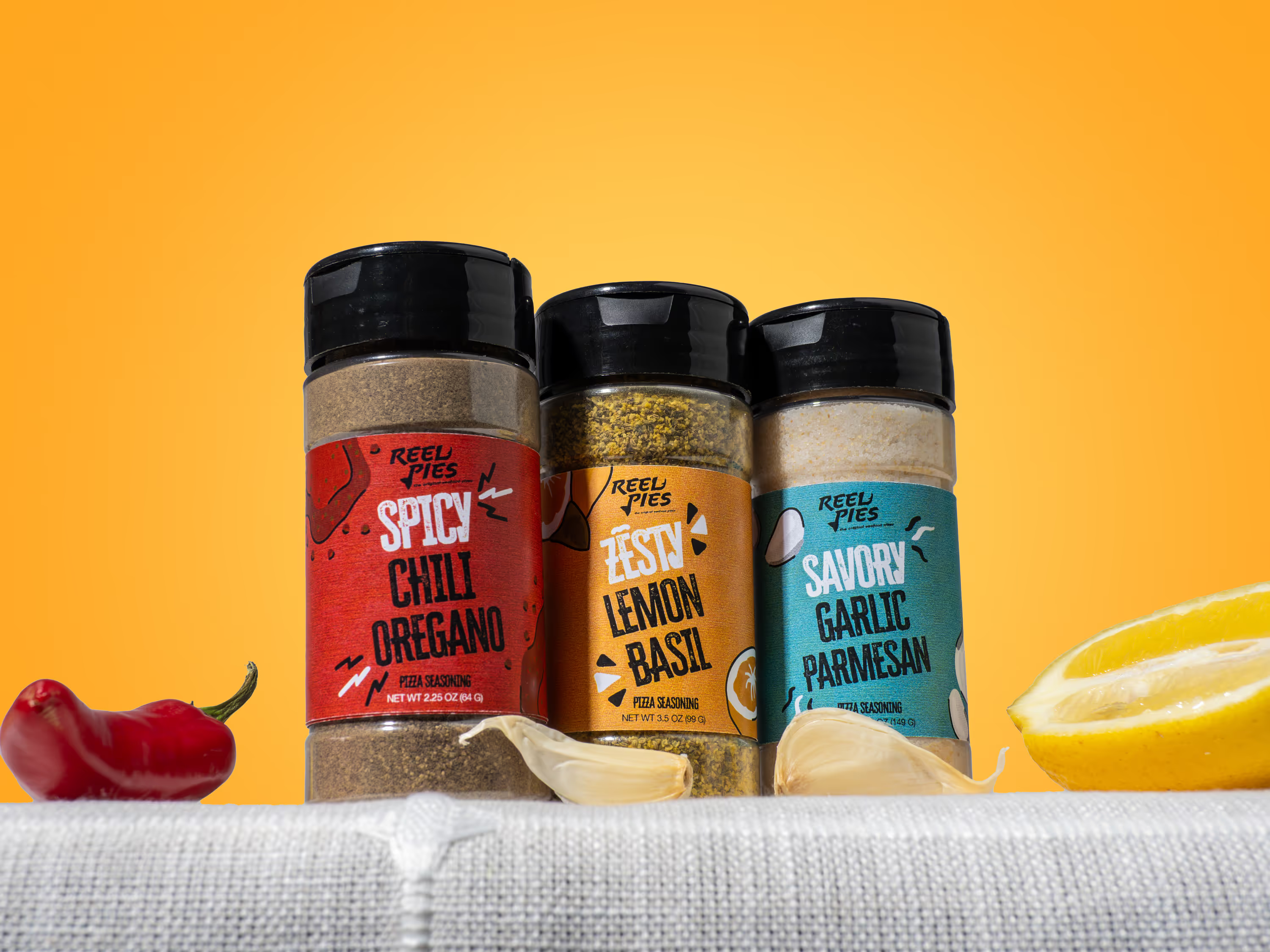

Most shoppers do not buy on their first visit. In September 2024, the average ecommerce conversion rate sat around 1.58% (Oberlo). That number is why photo upgrades matter. You do not need a massive lift to feel it in revenue. Product photos work because they remove doubt. They show size, texture, quality, and what you actually get. And shoppers care. In 2025 consumer research, 77% of shoppers said product images and videos are “very” or “extremely important” when deciding to complete a purchase (Salsify). If you want higher conversion on your website, start with the visuals on your product pages.
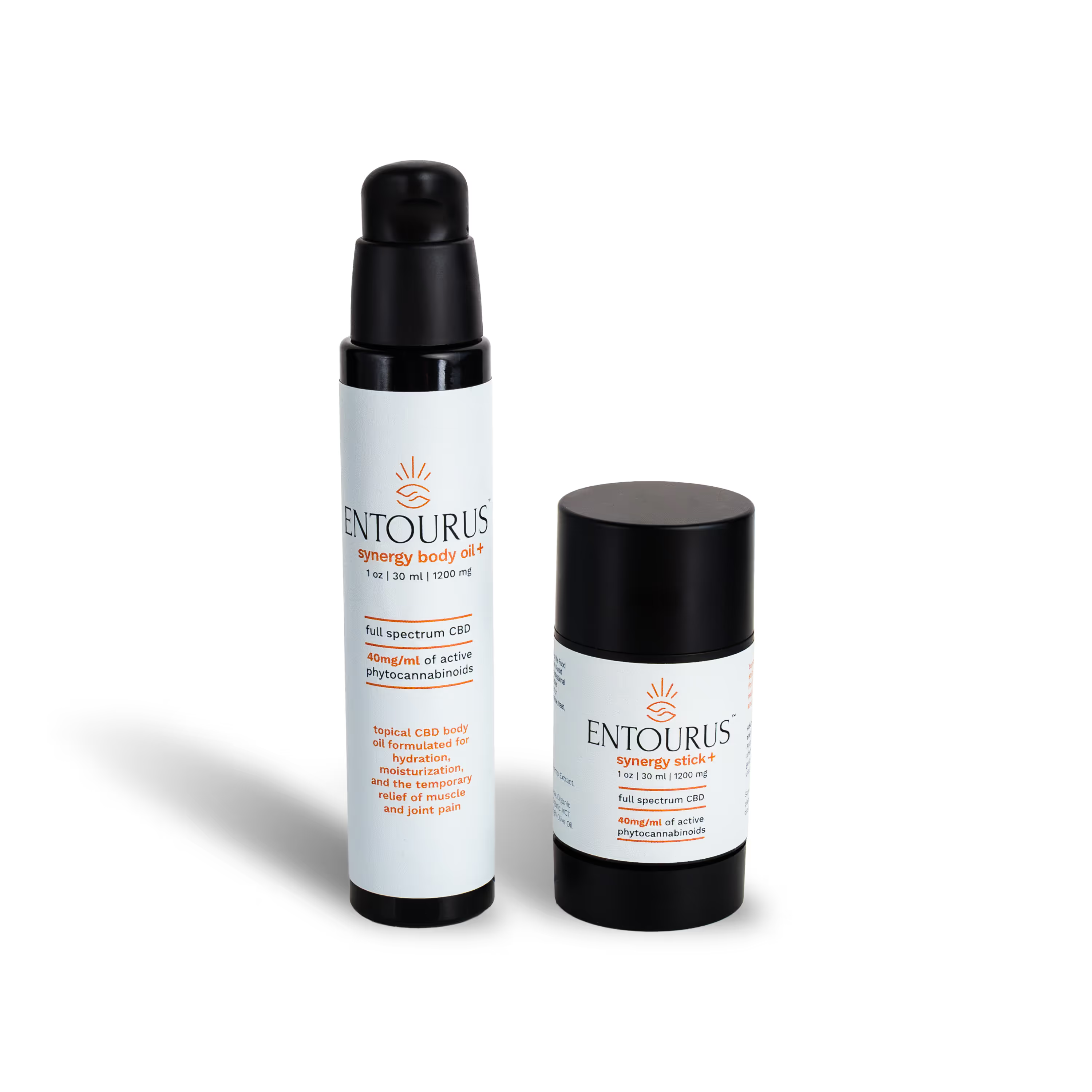
Better photos raise conversion by removing doubt
Shoppers use images first, not your copy
On many product pages, the first thing people do is open the image gallery. Baymard found that 56% of users’ first action on a product page is exploring images. That matches real behavior. You do not read a paragraph to confirm what a product looks like. You look. If your images do not answer the obvious questions, shoppers leave. In Salsify’s research, “no or low quality product images or videos” shows up as a reason shoppers abandon a sale, at 42%.
Better photos reduce returns and protect trust
Conversion is not just about getting the sale. It is also about keeping it. In that same 2025 research, 70% of shoppers said they returned an item due to incorrect product content, like images that did not match the product. When your photos match the real product and show it clearly, you set the right expectation. That improves trust and reduces the “this is not what I thought” problem.
The photo set that moves people to checkout
Start with a complete product page
If you only post one hero photo and call it a day, you leave money on the table. Salsify recommends aiming for at least five images and two videos as a baseline for a “complete” product page. Their report also points out that shoppers rate product titles and descriptions highly, so the goal is not photos instead of words. It is photos plus clear product info. A strong set usually includes:
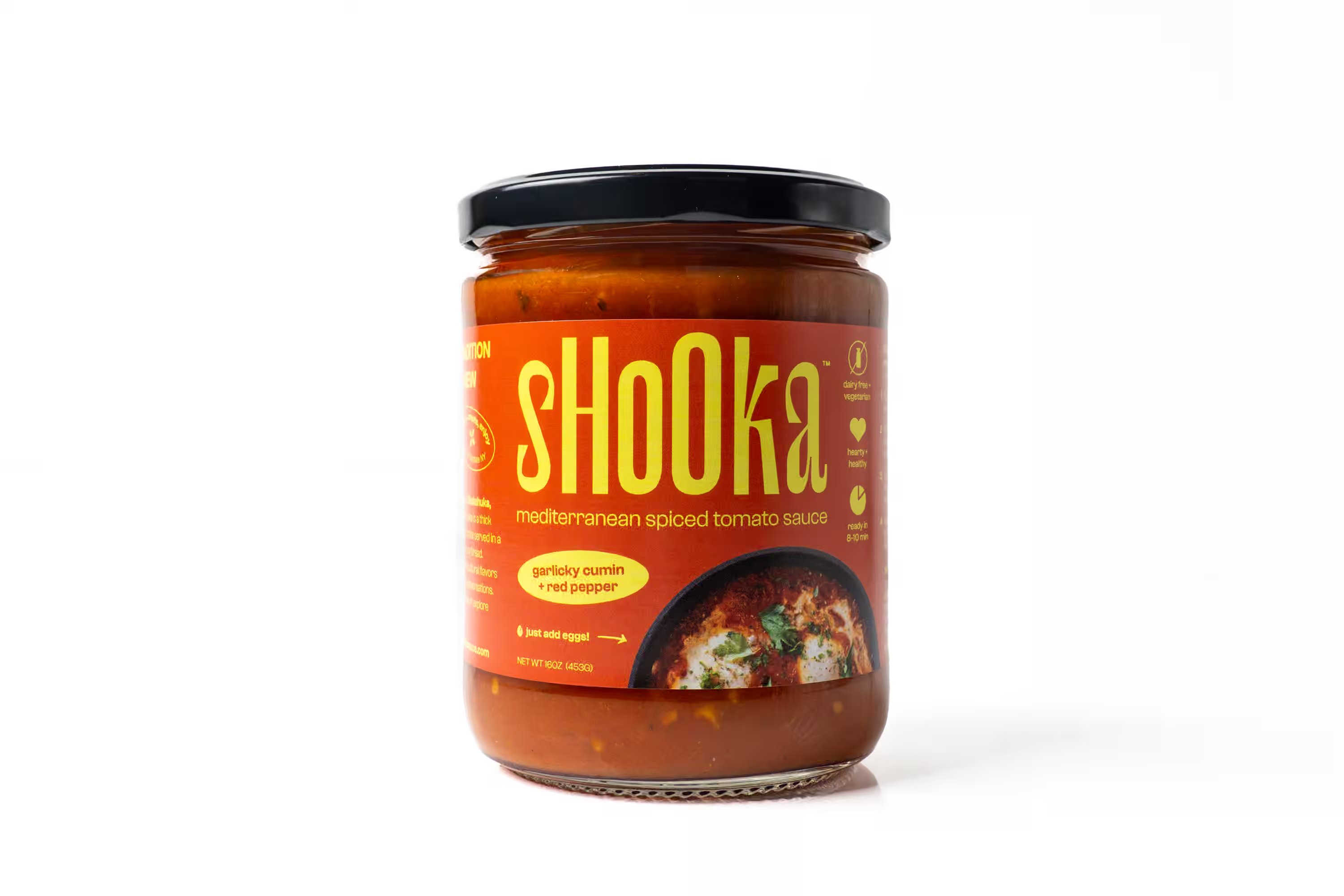
- A clean main image that reads well in thumbnails
- Front and back, or multiple angles
- Close ups that show texture and key features
- Scale shots so size feels obvious
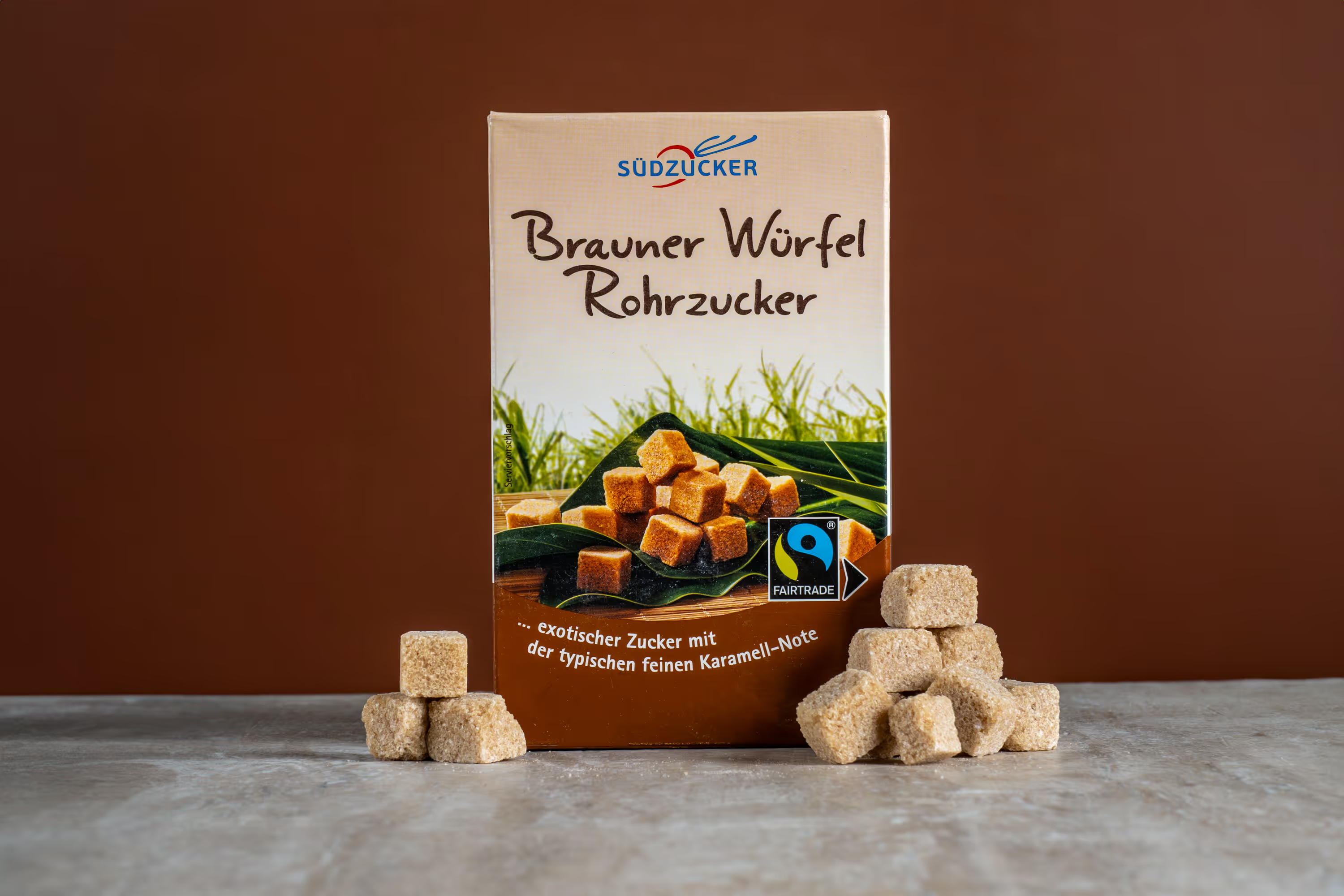
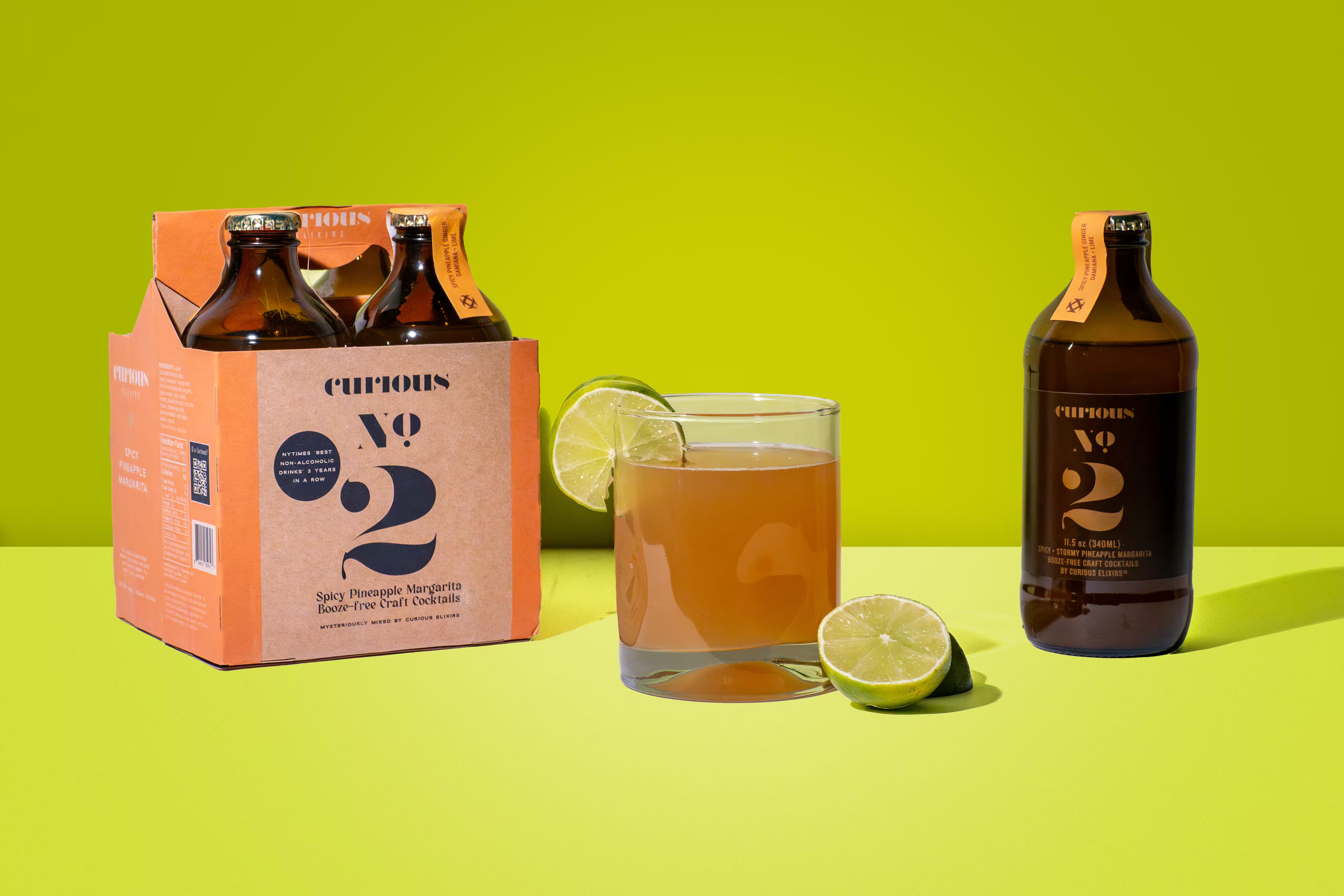
- Packaging and what is included in the box
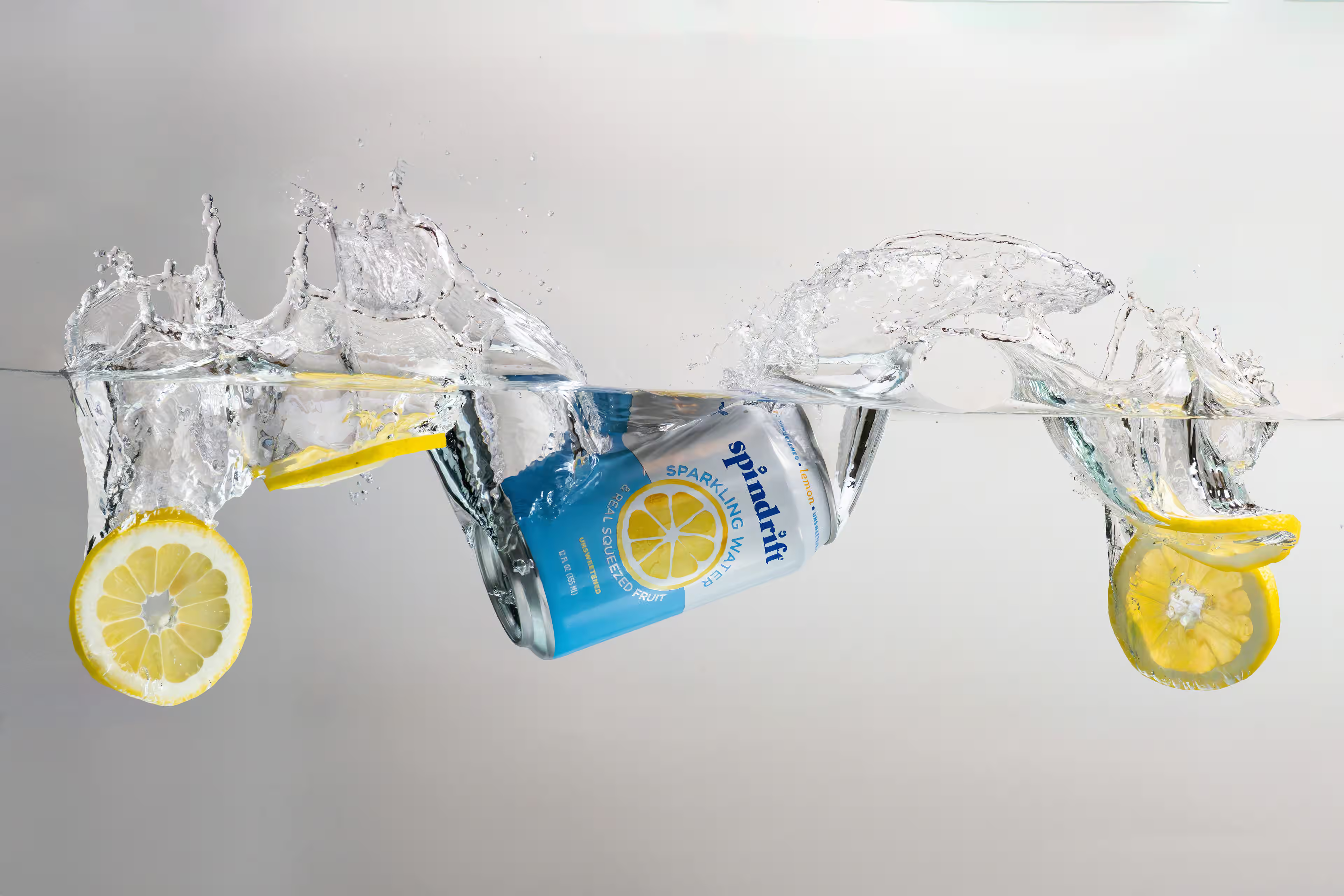
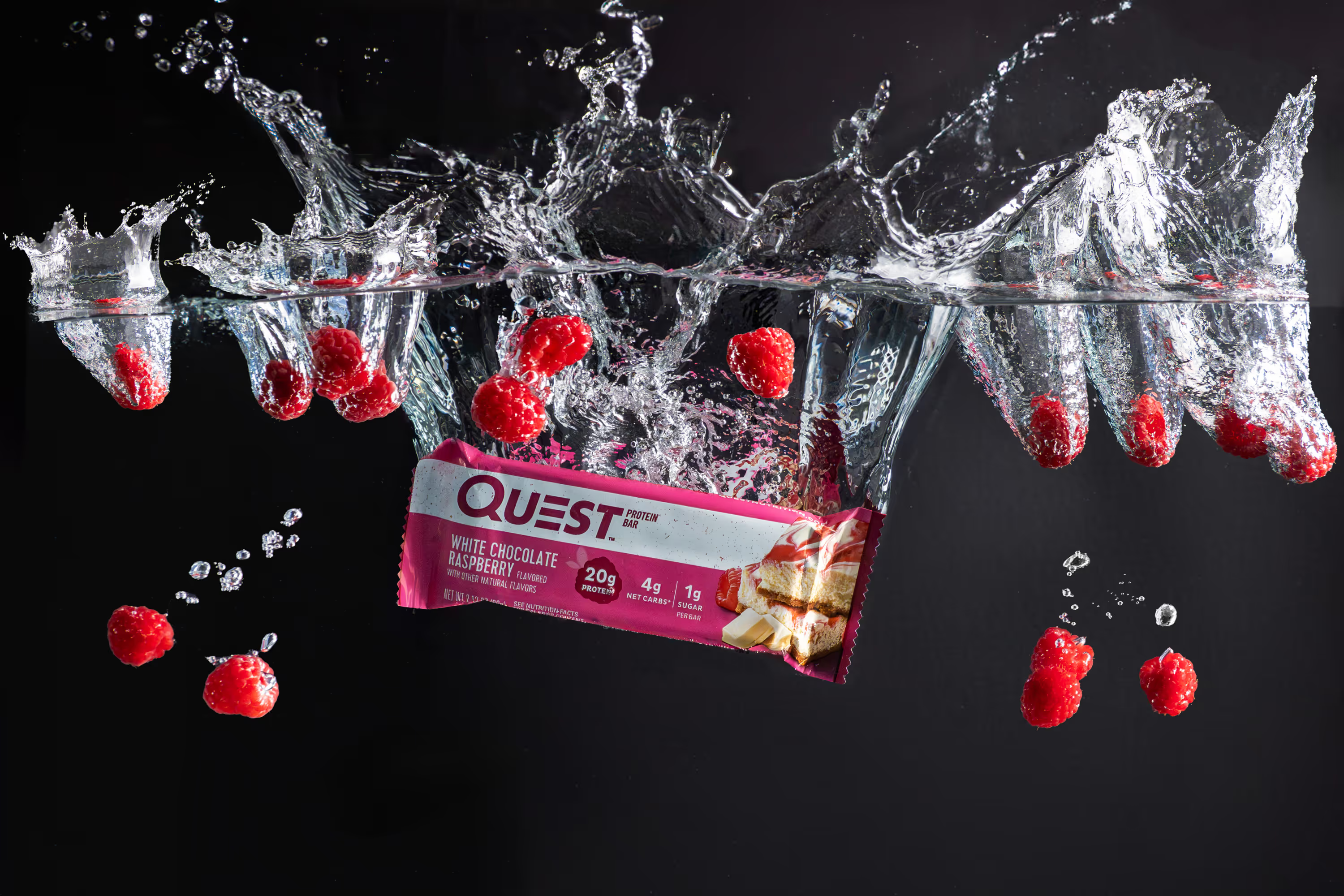
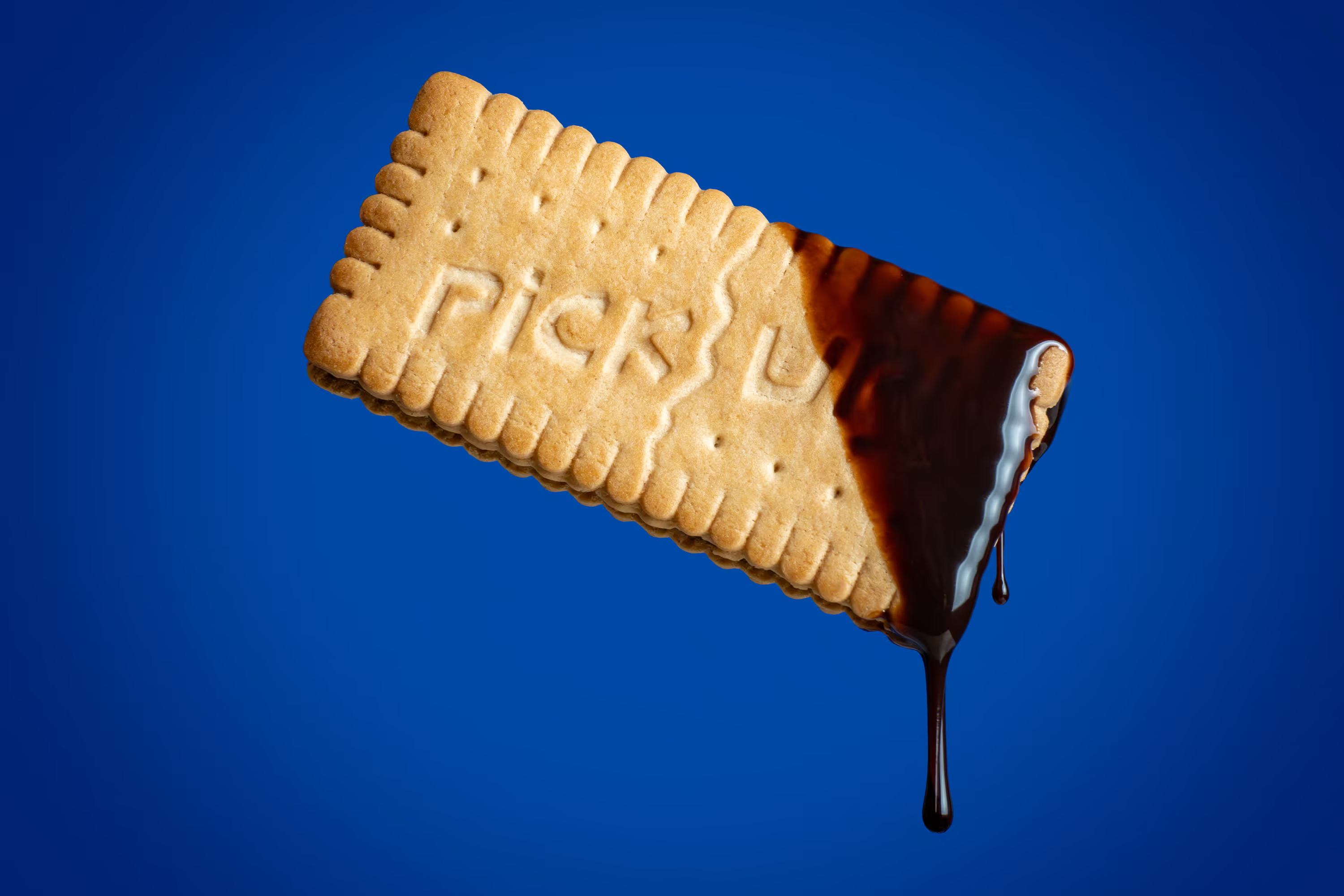
- Lifestyle or creative photos that make your product look premium
- Short Videos or GIFs that show the product in use
Add the context shots people look for
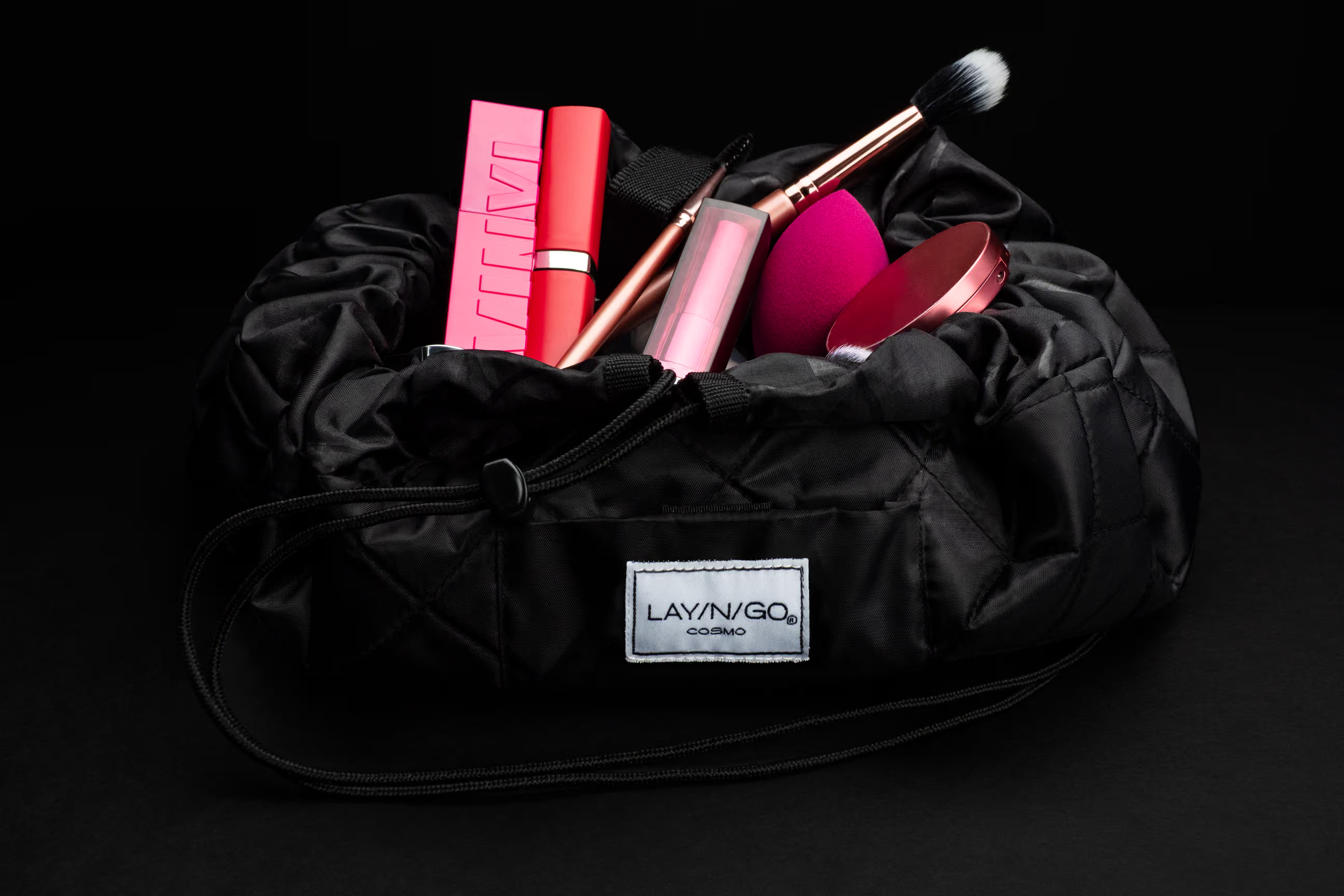
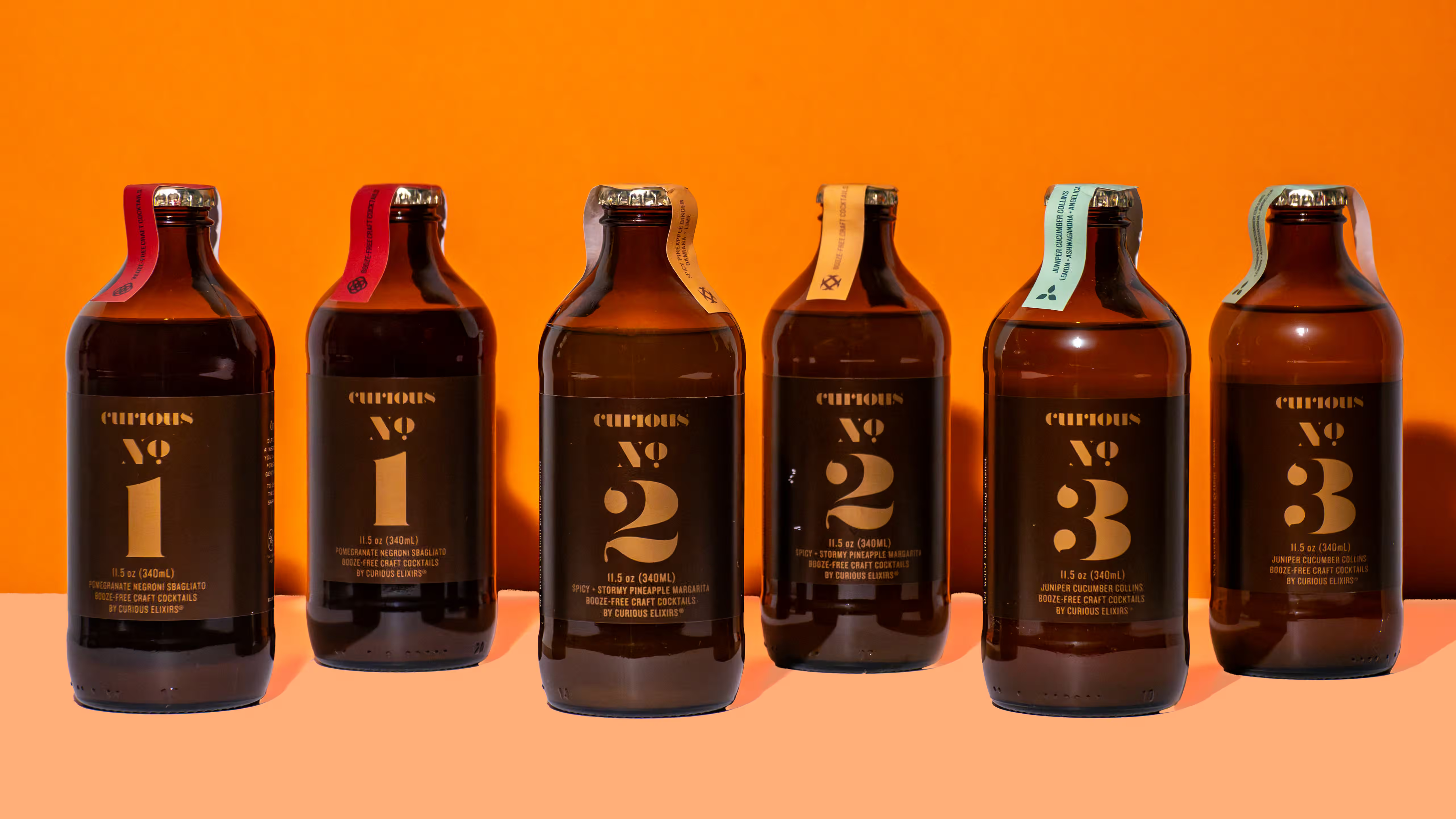
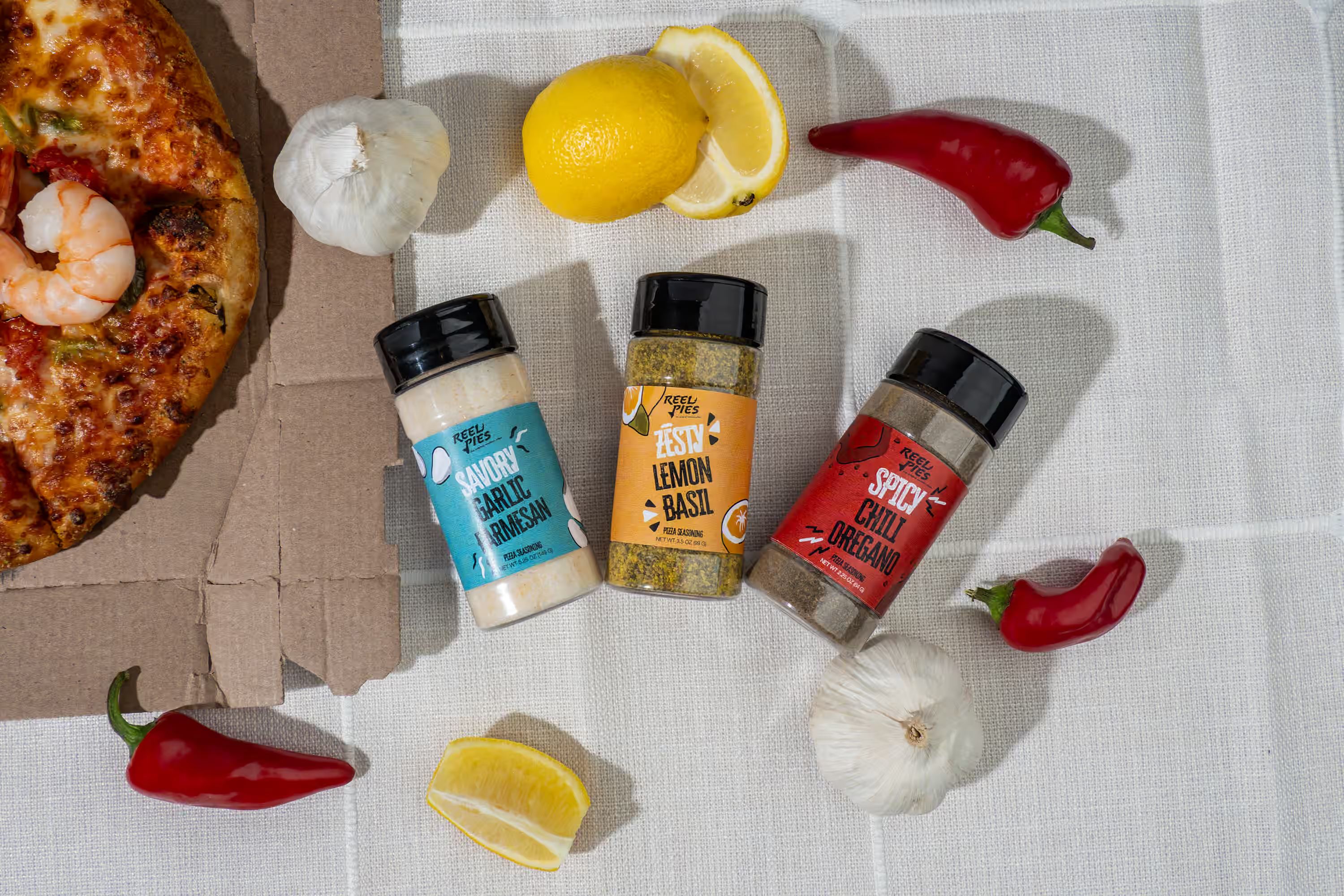
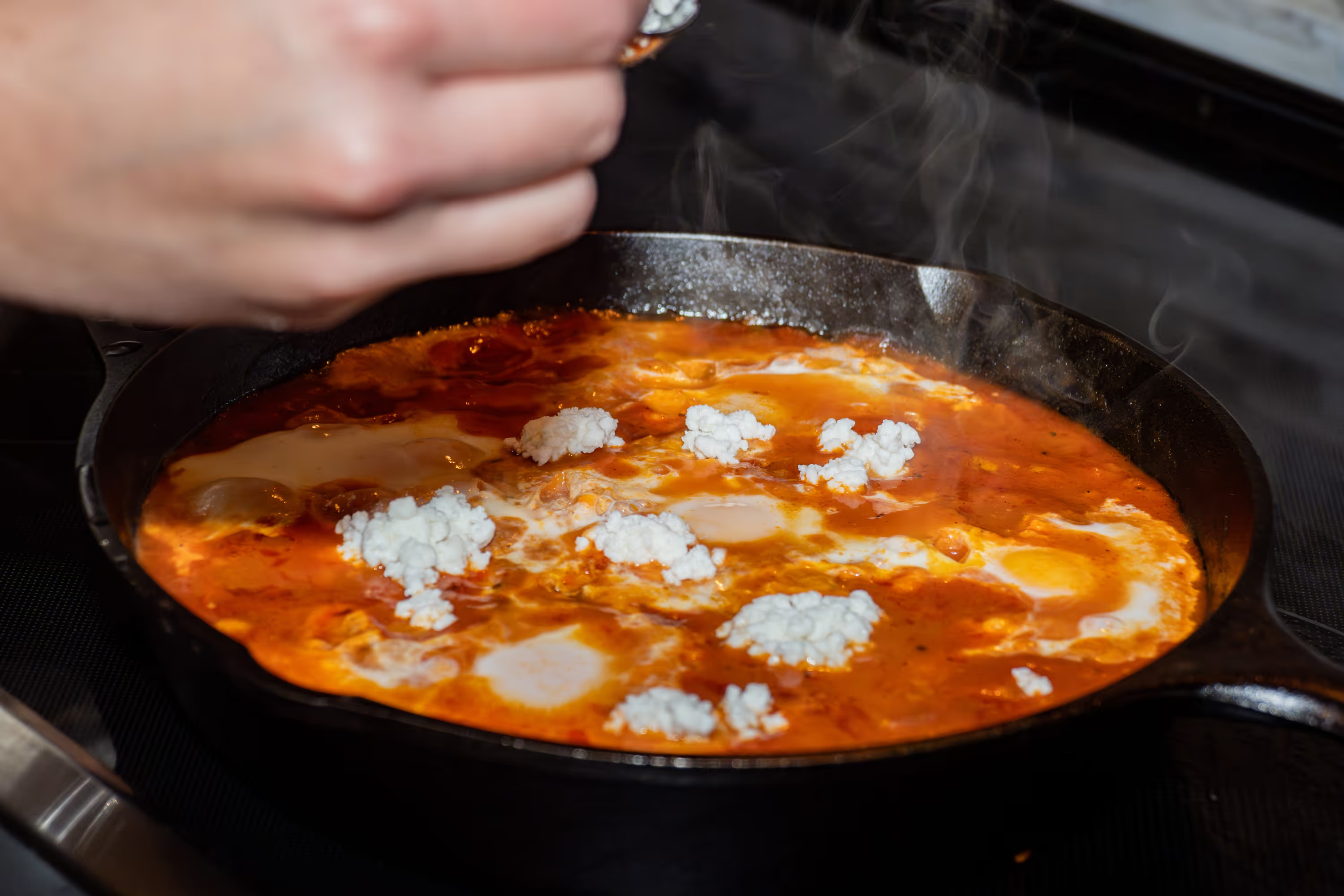
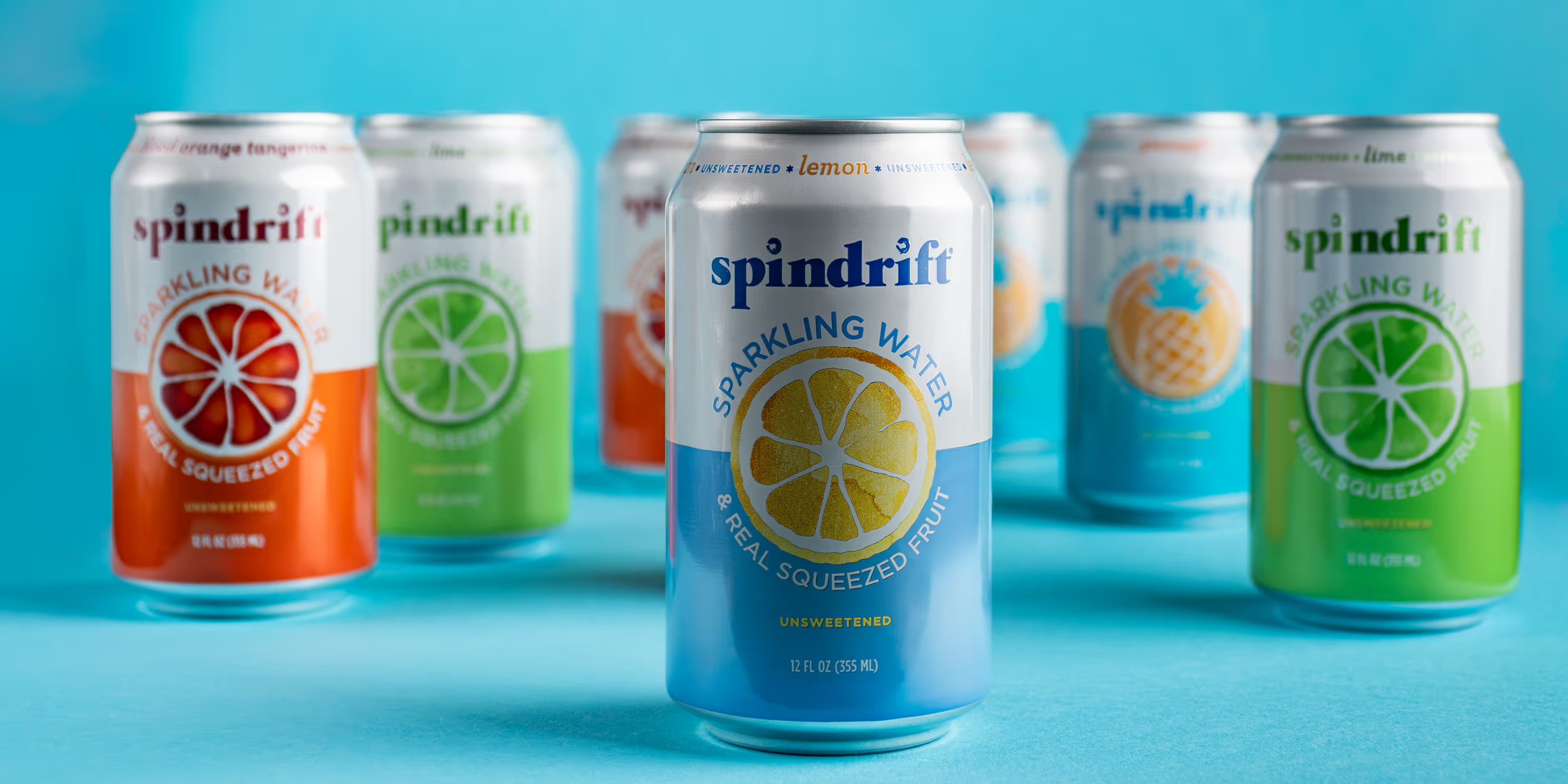
A clean studio image helps shoppers compare products quickly. A context image helps them imagine ownership. For CPG, that often means including lifestyle images that show the product in use, ingredient or detail shots that support claims, and a simple lineup that shows variants clearly.
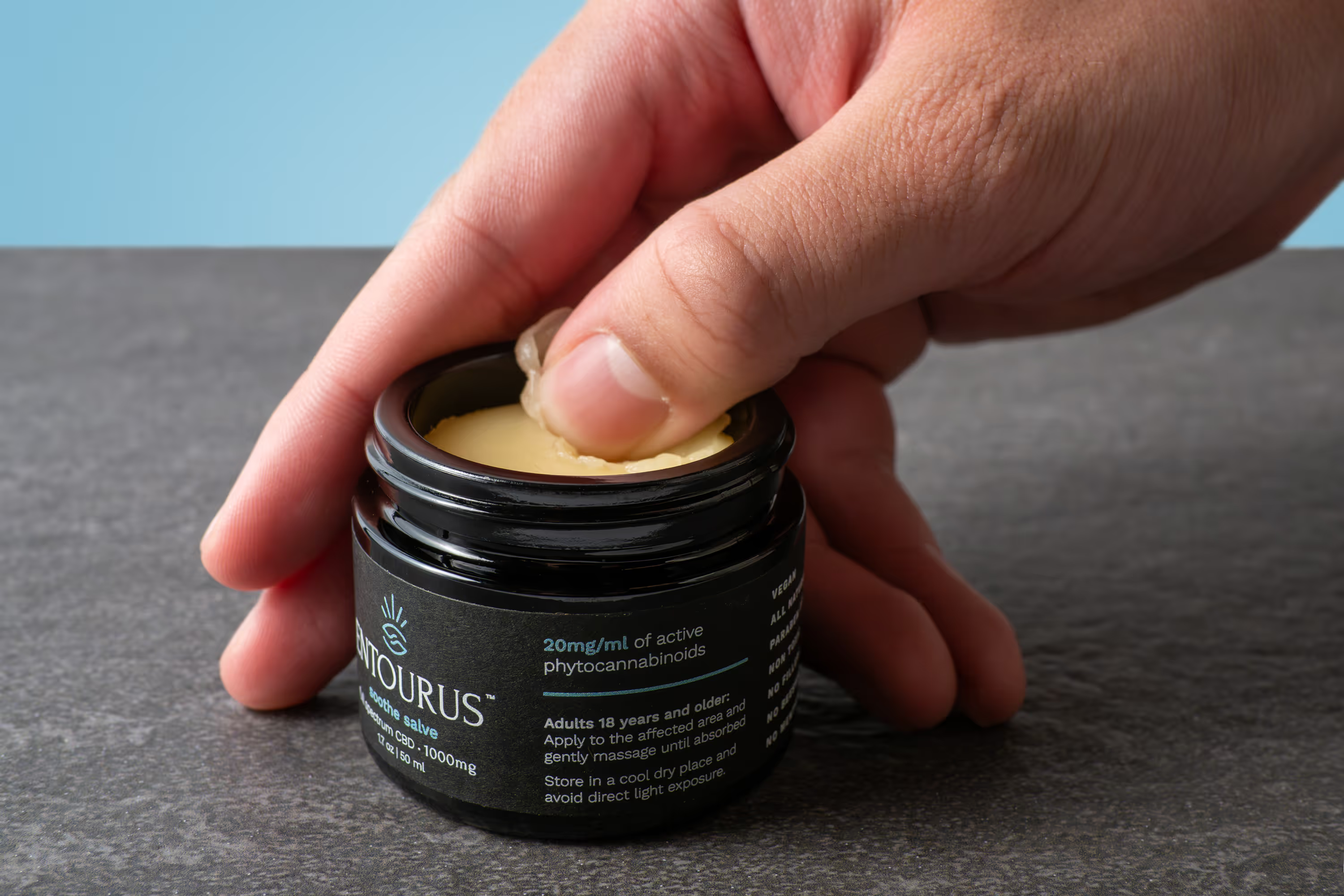
Image quality issues that quietly kill conversion
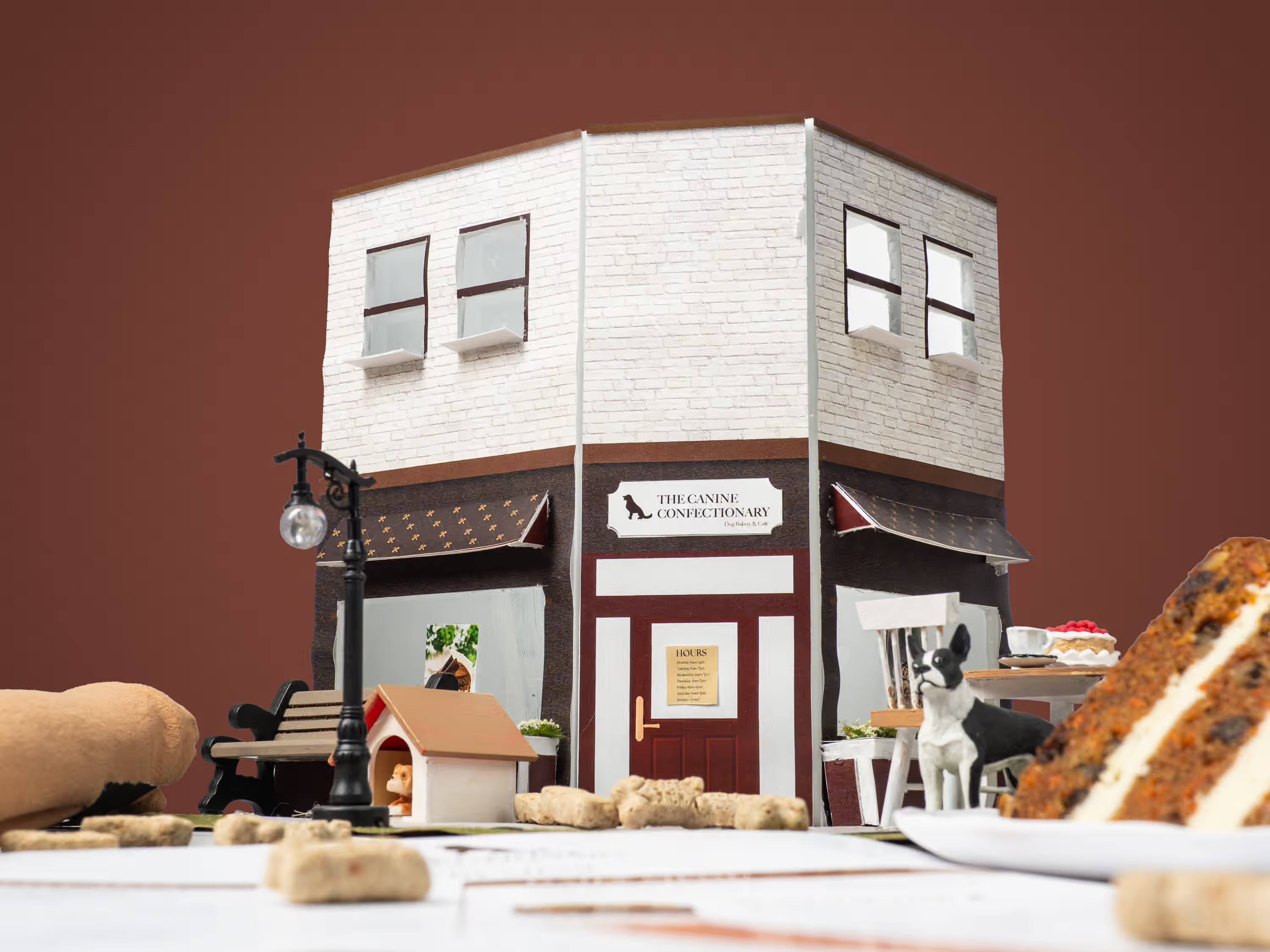
“In scale” shots make size feel real: people struggle with size online. They cannot pick the item up. They cannot see it next to something familiar. So, we often include lifestyle photos that show the product next to common products.
Speed and mobile matter more every year: a lot of your traffic is on phones. In IRP’s market data, mobile drove 71.4% of sales in December 2025. That means your photos need to read on a small screen and your pages need to load fast.
How to measure the lift from better product photos
Track the right numbers: do not rely on “it looks better.” Track outcomes. Start with:
- Product page conversion rate
- Add to cart rate
- Revenue per session
- Return rate by product
- Support tickets tied to confusion, like size, color, or what is included
If you can, run a simple A/B test:
- Pick a product with steady traffic
- Keep price, shipping, and copy the same
- Swap only the images and videos
- Measure for at least two full business cycles
Next Step
If you want a product photo library that increases conversion on your website, we can plan it with you, shoot it, and deliver files your team can use right away. Book a call today to get product photos you love.
FAQ
Do better product photos increase conversion rate?
Yes. Shoppers use images to confirm details fast, and 77% say images and videos are very or extremely important to completing a purchase. (Salsify)
How many product photos should a product page have?
Aim for at least five images. Add more if the product has important details, variants, or size questions.
Do product videos increase conversion?
Videos help when the product benefits from movement or demonstration, like texture, pour, fit, or application. Salsify recommends aiming for at least two videos as a baseline for completeness.
What kind of product photos work best for CPG brands?
Clean studio images for clarity, close ups for proof, and lifestyle images for context. Add an in scale shot so size feels obvious.
How do low quality photos hurt sales?
They increase doubt, slow decision making, and push shoppers to leave. In Salsify’s research, “no or low quality product images or videos” appears as an abandonment reason at 42%.
How do I optimize product images for SEO?
Use descriptive filenames and alt text, place images near relevant text, and keep pages fast. Google’s image SEO guide covers the basics.