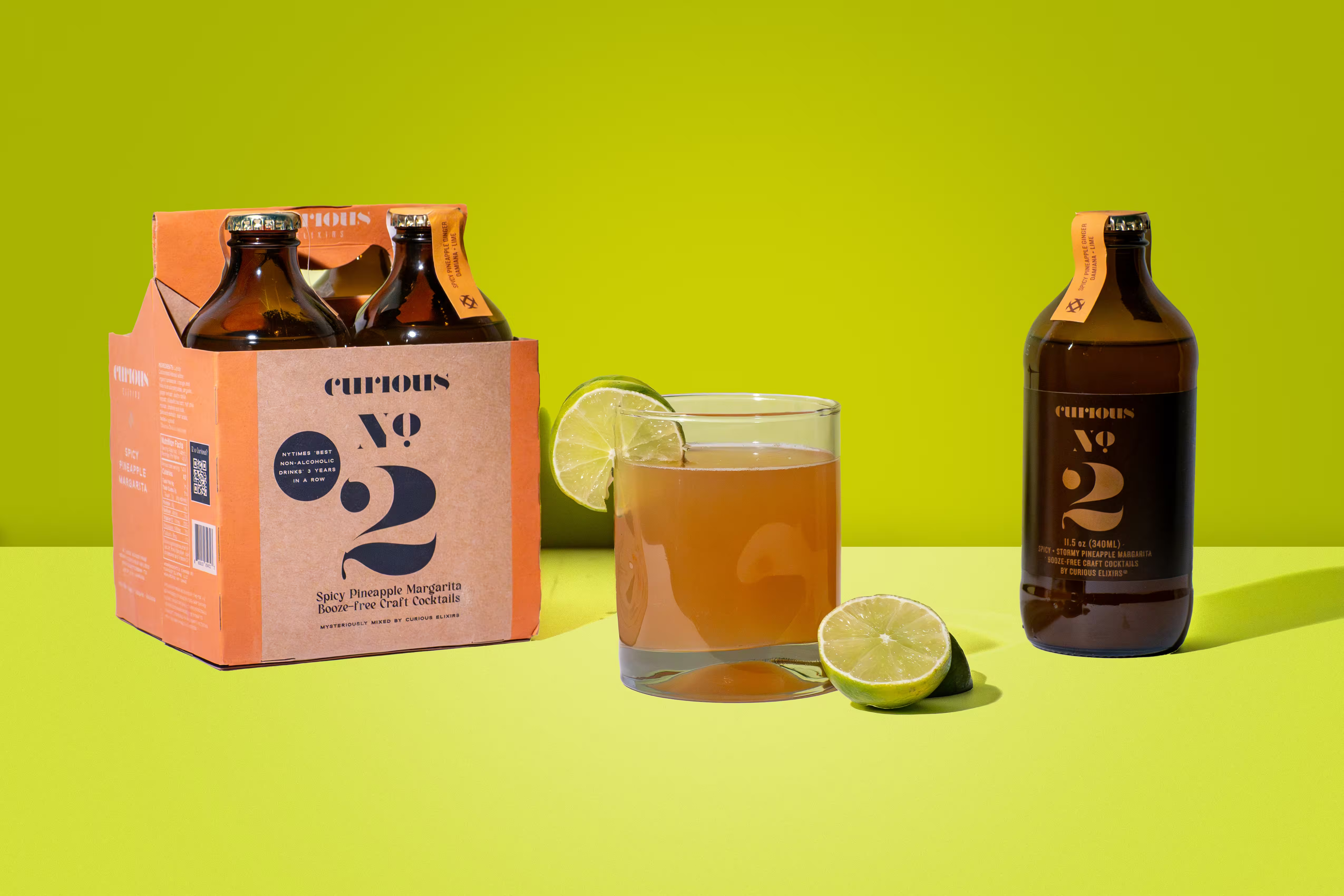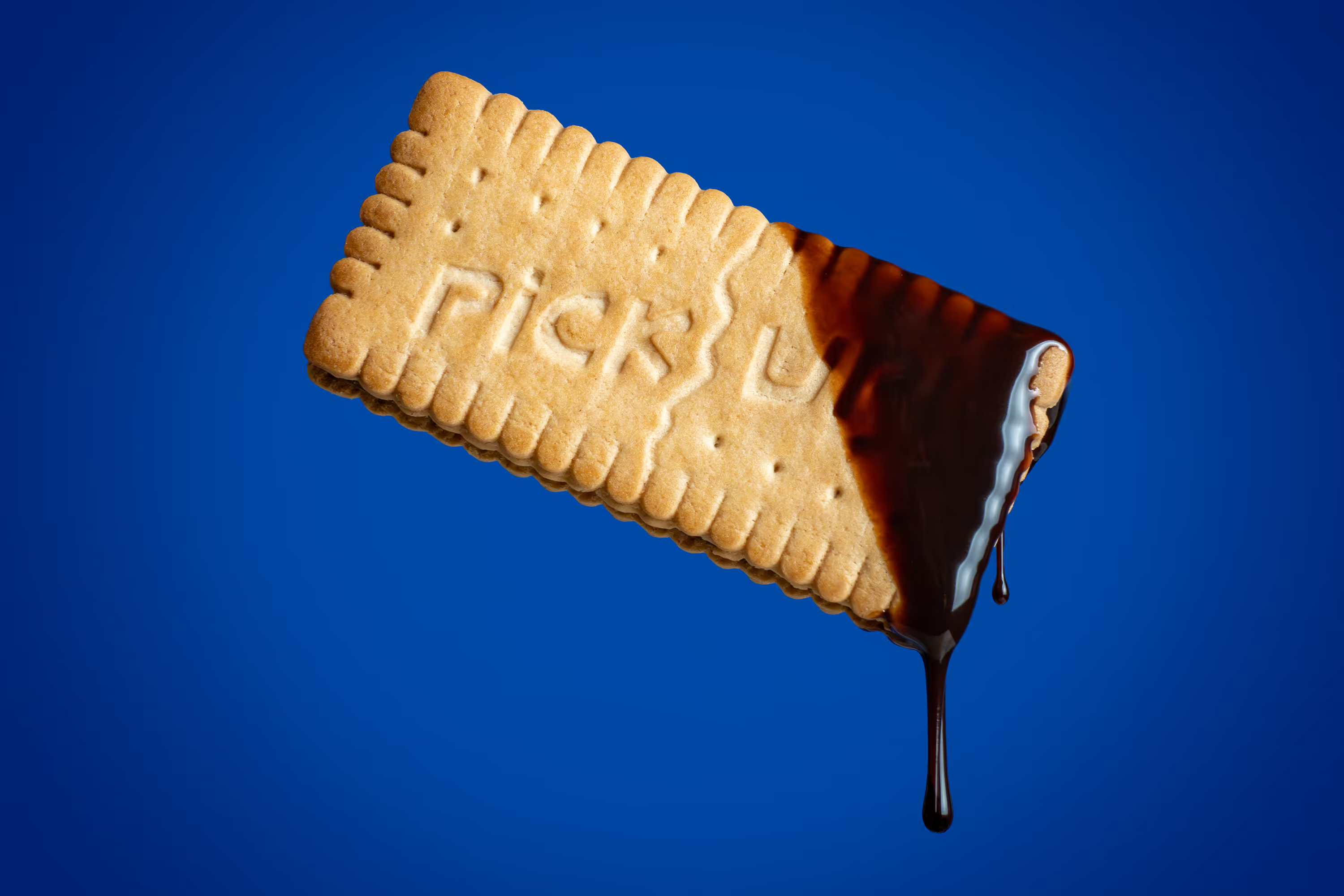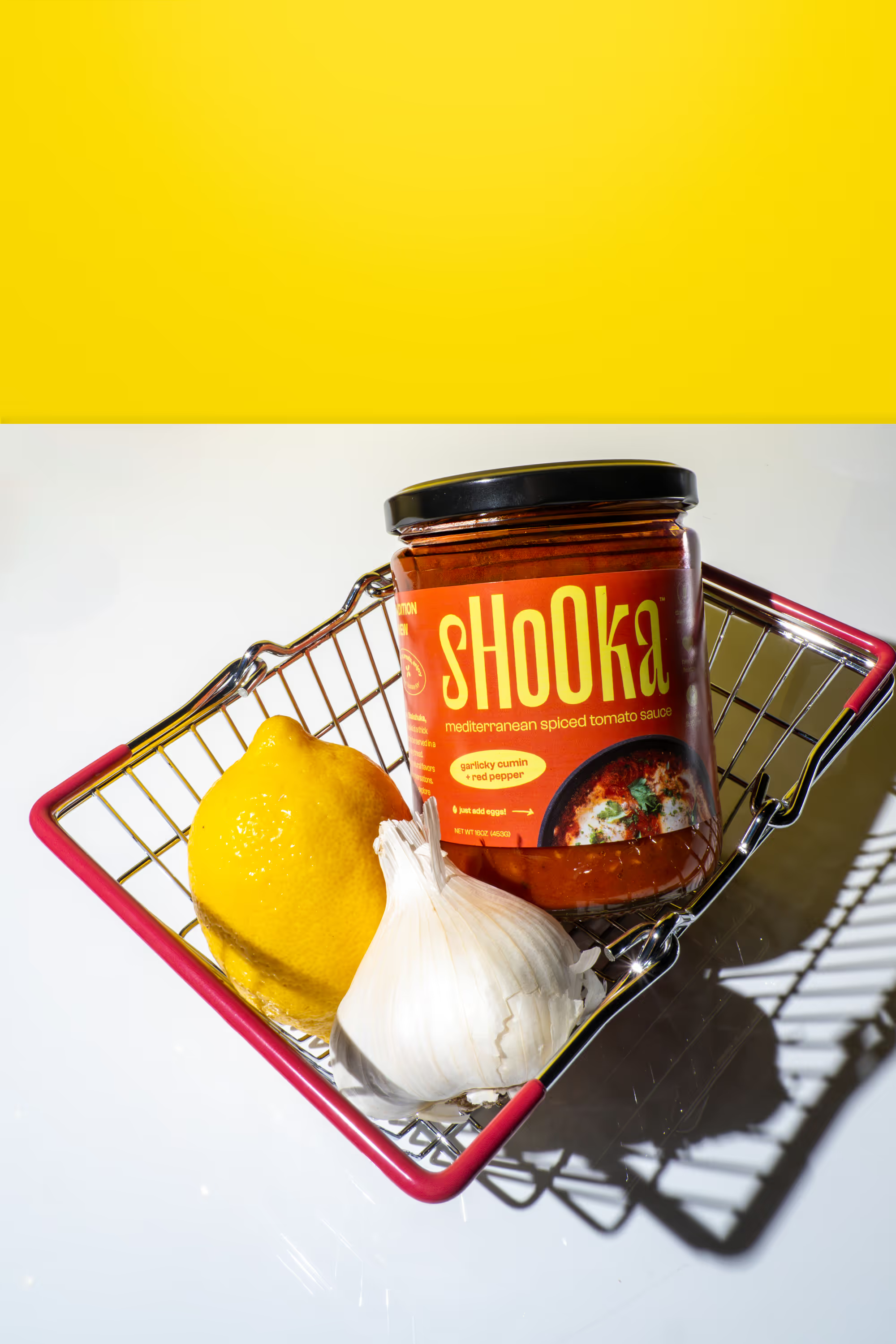
If your product sits in a box or a bottle, your photos do a lot of work. They explain what you sell. They prove quality. They help shoppers decide fast. That is why CPG product photography feels different from “regular” product photos. You need a system, not a one-off shoot. And you need images that stay consistent across flavors, sizes, and sales channels. Here’s what CPG product photography is, why it’s harder than it looks, and what you should ask for so you get product photos that convert.
What CPG Product Photography Means
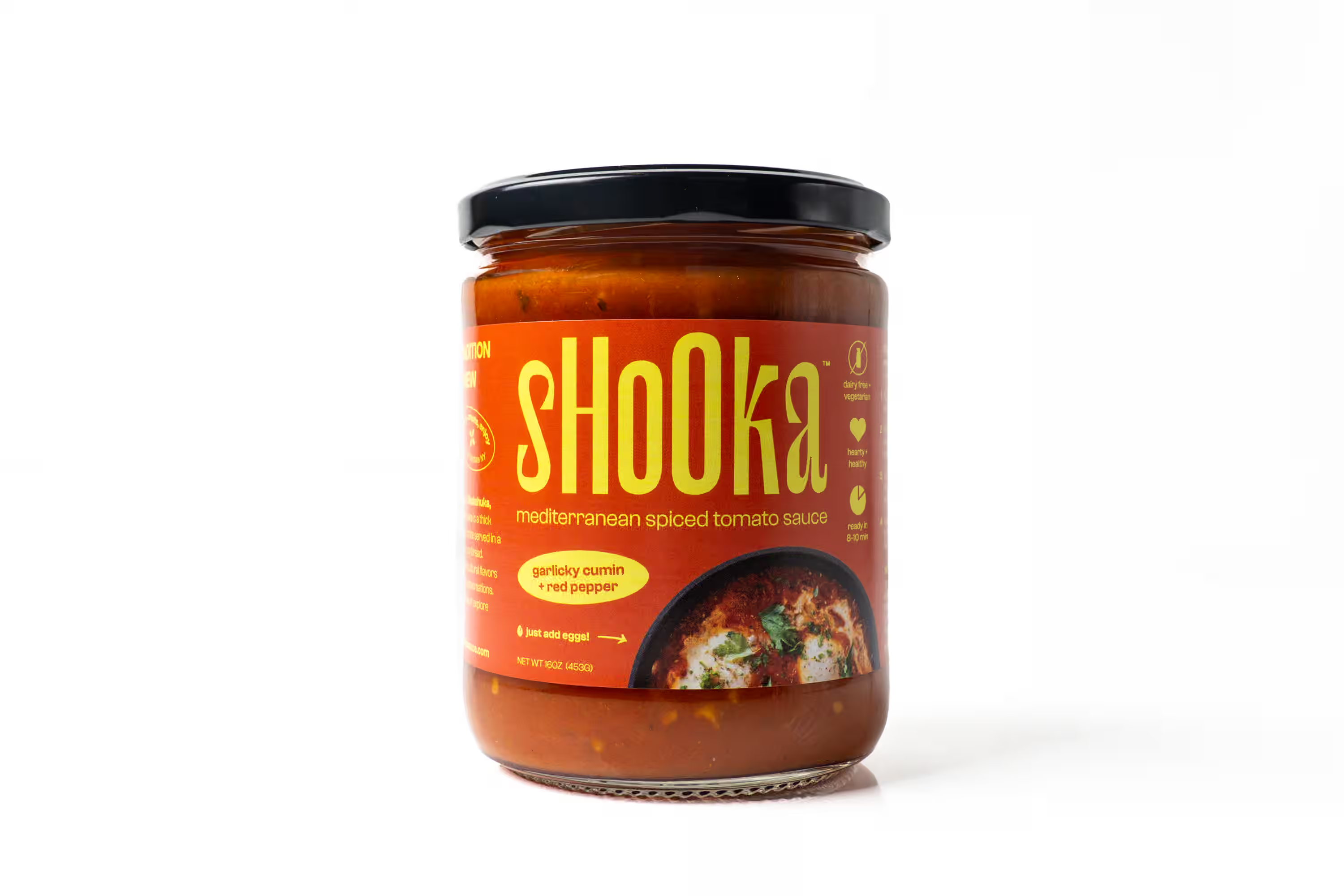
CPG means packaged goods that sell at scale. CPG stands for consumer packaged goods. Think beverages, snacks, supplements, skincare, and household products. CPG product photography focuses on one thing: making your packaged product easy to understand and easy to buy online. In 2025, shoppers said product images and videos ranked as “extremely” or “very” important when deciding to complete a purchase. (Salsify)
You are building a repeatable image library. A CPG shoot is not “get a hero shot and call it done.” You are building a library that supports:
- Your product page
- Marketplaces like Amazon
- Paid social ads
- Email and landing pages
- Retail sell sheets and line sheets
That is why CPG photography relies on clear specs, consistent lighting, and repeatable angles. If you want the full breakdown of what we deliver, start with our CPG product photography service page.
Why CPG Photography Feels Harder Than Other Shoots
Your photos must work everywhere, not just one place
A single product gets cropped and reused across your whole funnel. If you only plan for one layout, you will fight your assets later. CPG product photography plans for:
- Square and vertical crops for ads
- Tiny thumbnails for ecommerce grids
- Wide banners for email and homepage sections
- Clean white background images for marketplace rules
In 2024, 1WorldSync reported that 73% of consumers purchased items online that they previously only bought in store. That shift raises the bar for online product content.
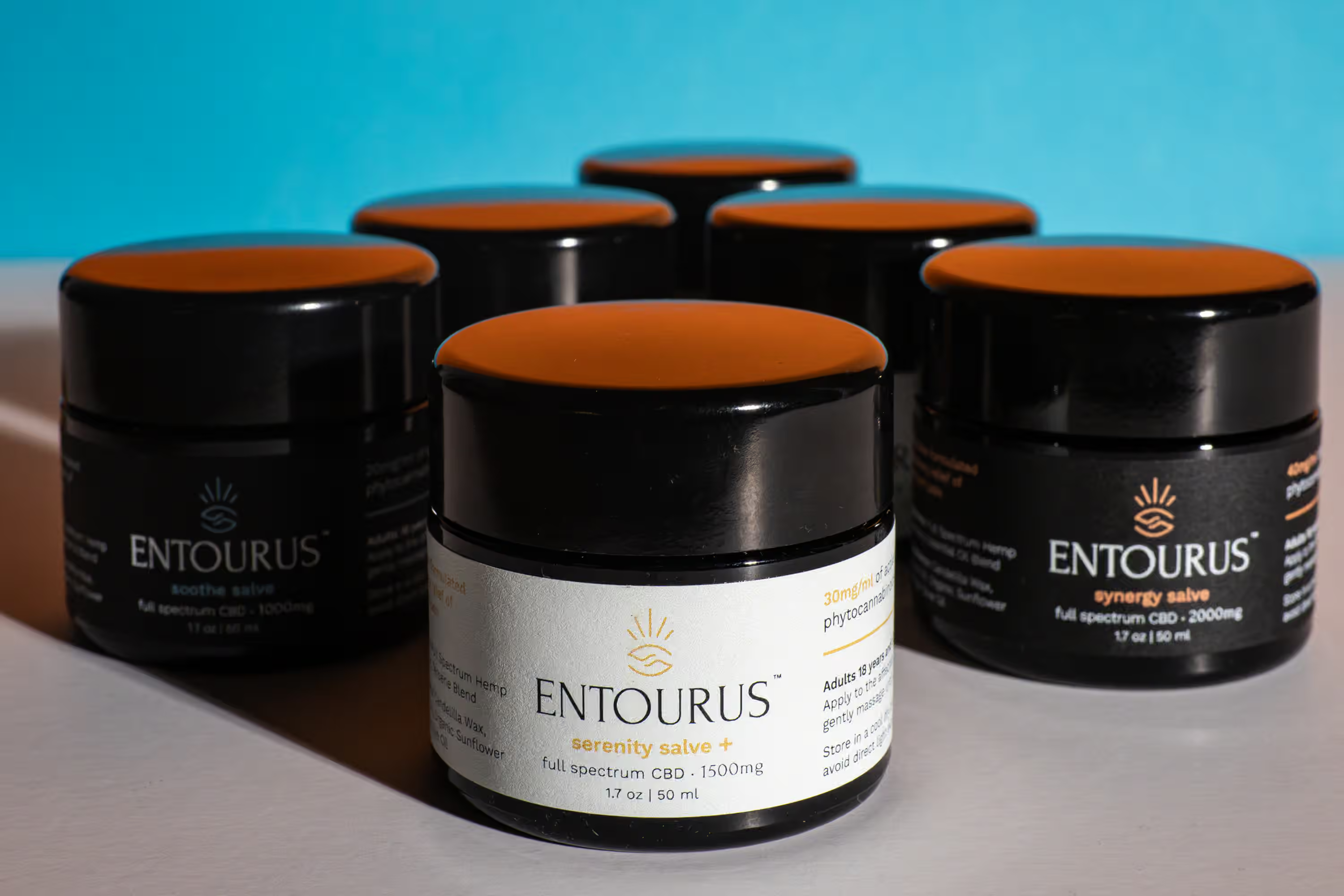
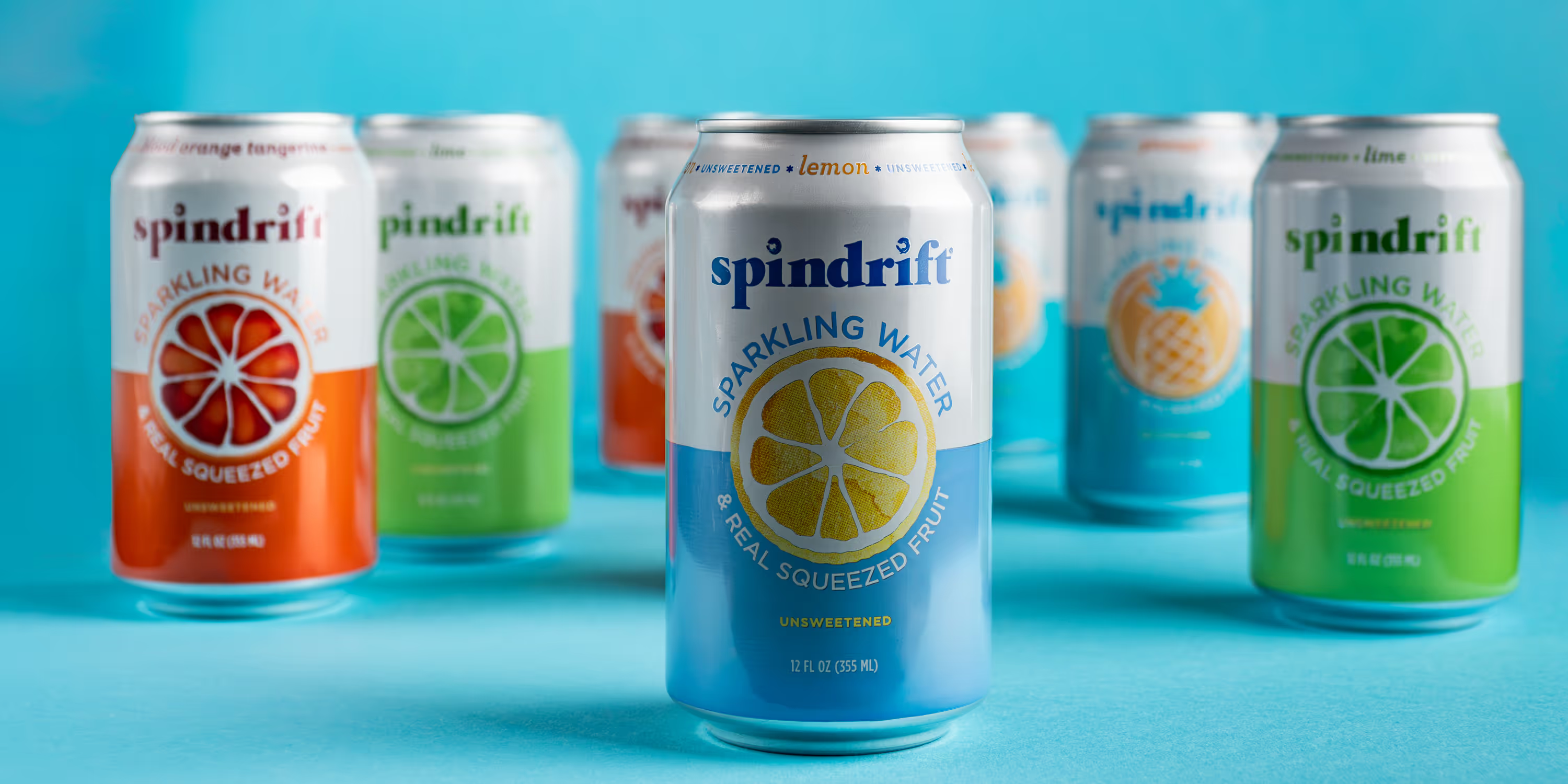
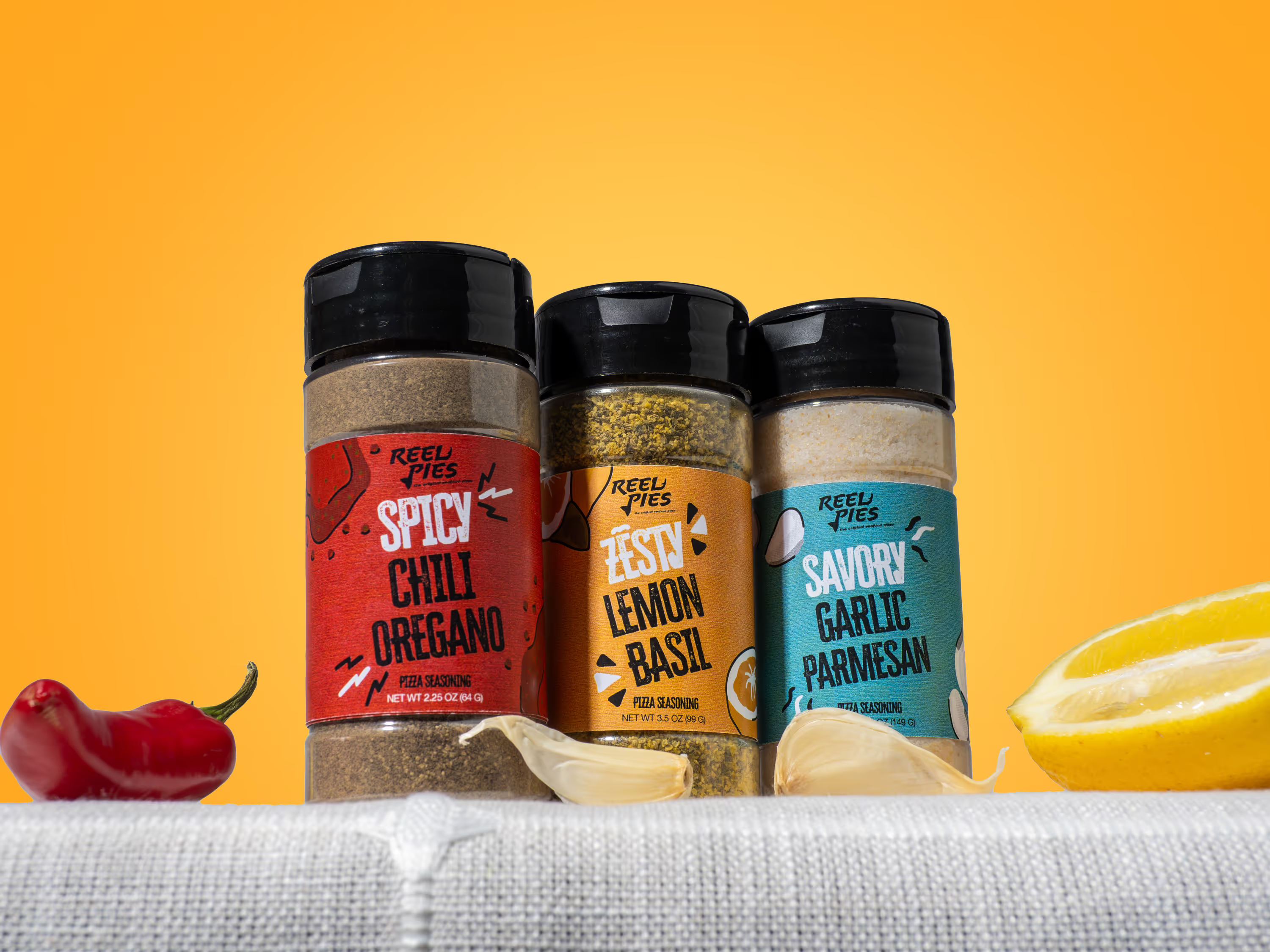
Consistency across SKUs matters more than creativity
Creativity helps. Consistency sells. If your line has multiple flavors or sizes, shoppers compare them side by side. When lighting, angles, and color shift between SKUs, your brand looks sloppy. Salsify’s 2025 research found that more than half of shoppers abandoned an online sale due to inconsistent product information across different websites. Photos are part of that consistency.
What Makes CPG Photos Sell
Packaging readability beats “pretty”
CPG packaging carries your value props. If shoppers cannot read your front panel fast, you lose. That means you need:
- Label text that stays sharp
- Accurate color on the package
- Controlled reflections on glossy materials
- Clear size cues for the product
Baymard Institute puts it plainly: “In Scale images are critical for users to get a sense of the relative size of products.”
Trust reduces returns
Photos also prevent disappointment. Salsify’s 2025 report says nearly three quarters of shoppers (71%) have returned an item due to incorrect product content, including images that did not match the product. When you photograph packaging accurately and show key details, you reduce surprises and returns. If your goal is product photos you love and fewer avoidable issues later, accuracy is the baseline.
The Core Shot Types You Need for CPG
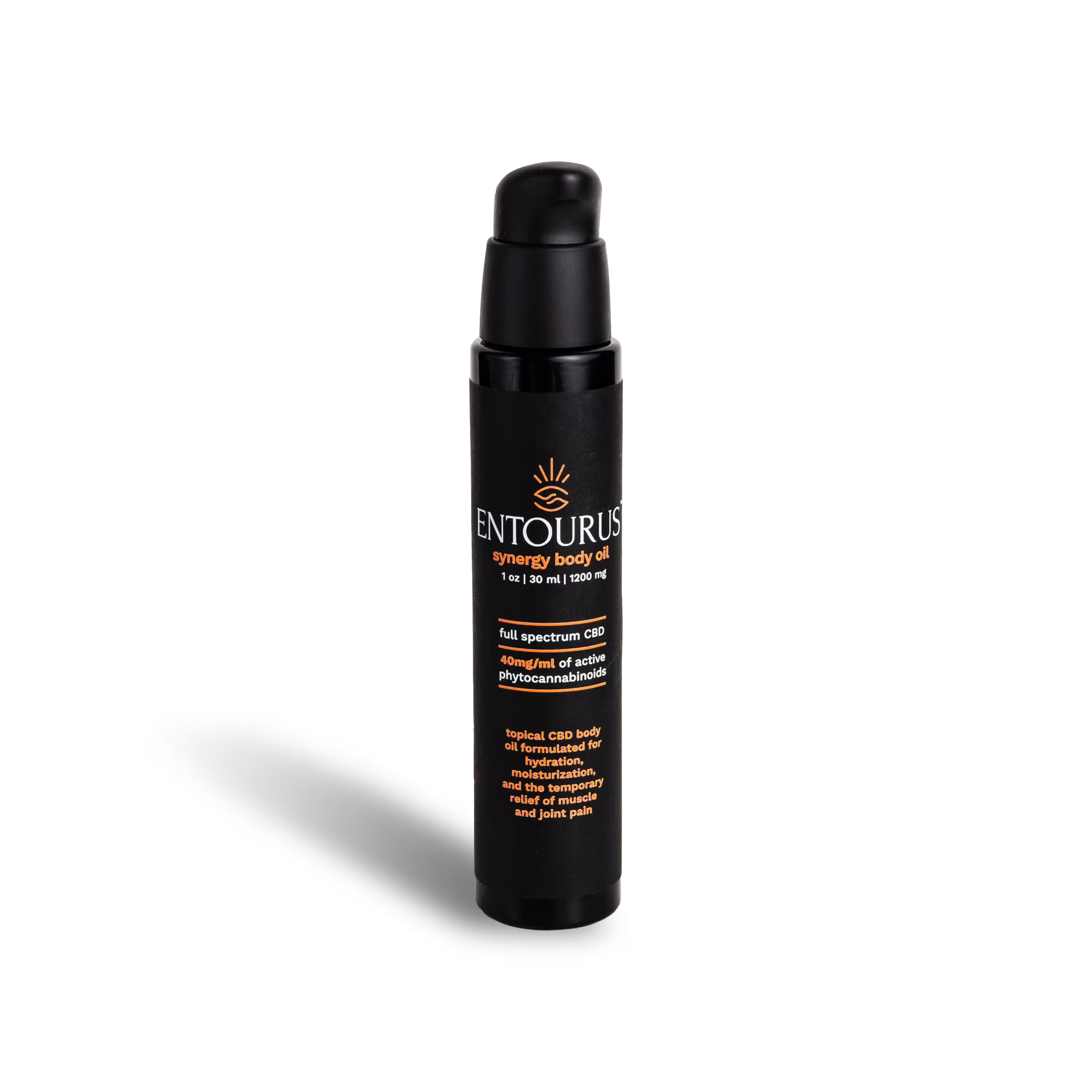
Conversion shots for product pages and marketplaces
These images do the heavy lifting on your PDP and listings. Plan for:
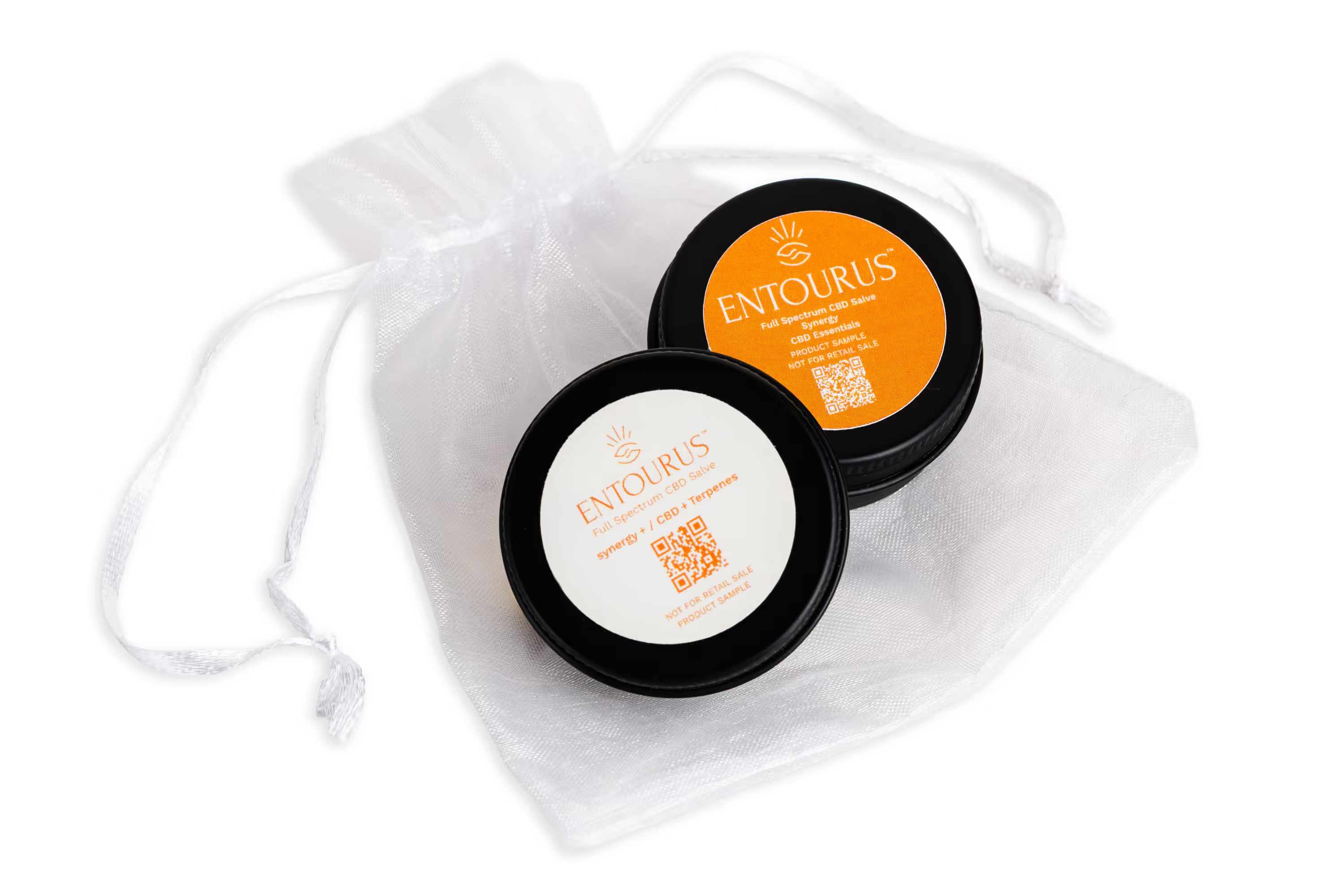
- Clean hero on white
- Front, back, and angled views
- Close ups of claims, ingredients, and texture cues
- “In hand” or “on counter” scale reference
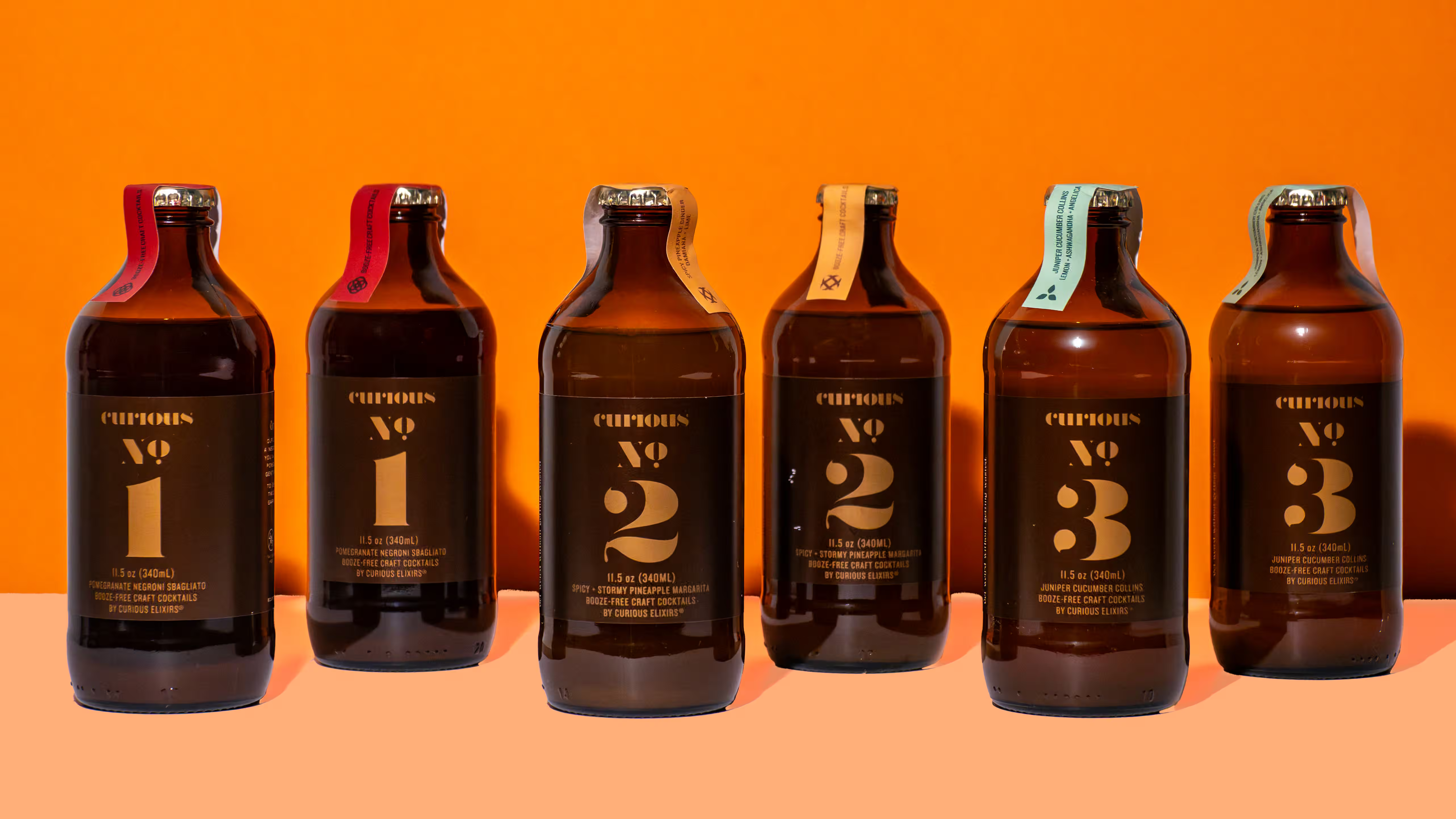
- Variant grid for all flavors and sizes
If you also sell on Amazon, you need to follow their image rules. That usually pushes you toward cleaner packshots and fewer props on primary images, with lifestyle kept for secondary images.
Creative shots for ads, social, and campaigns
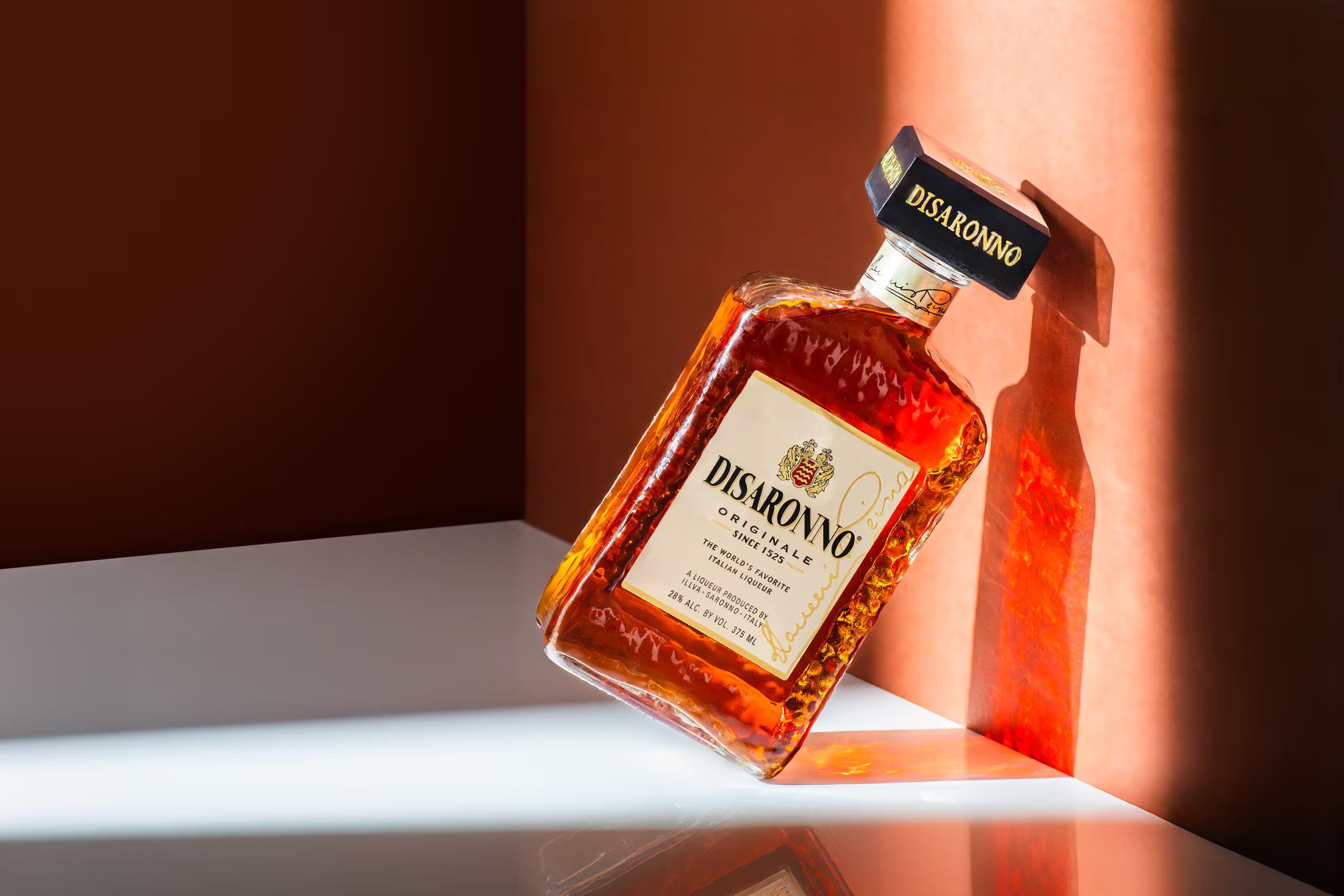
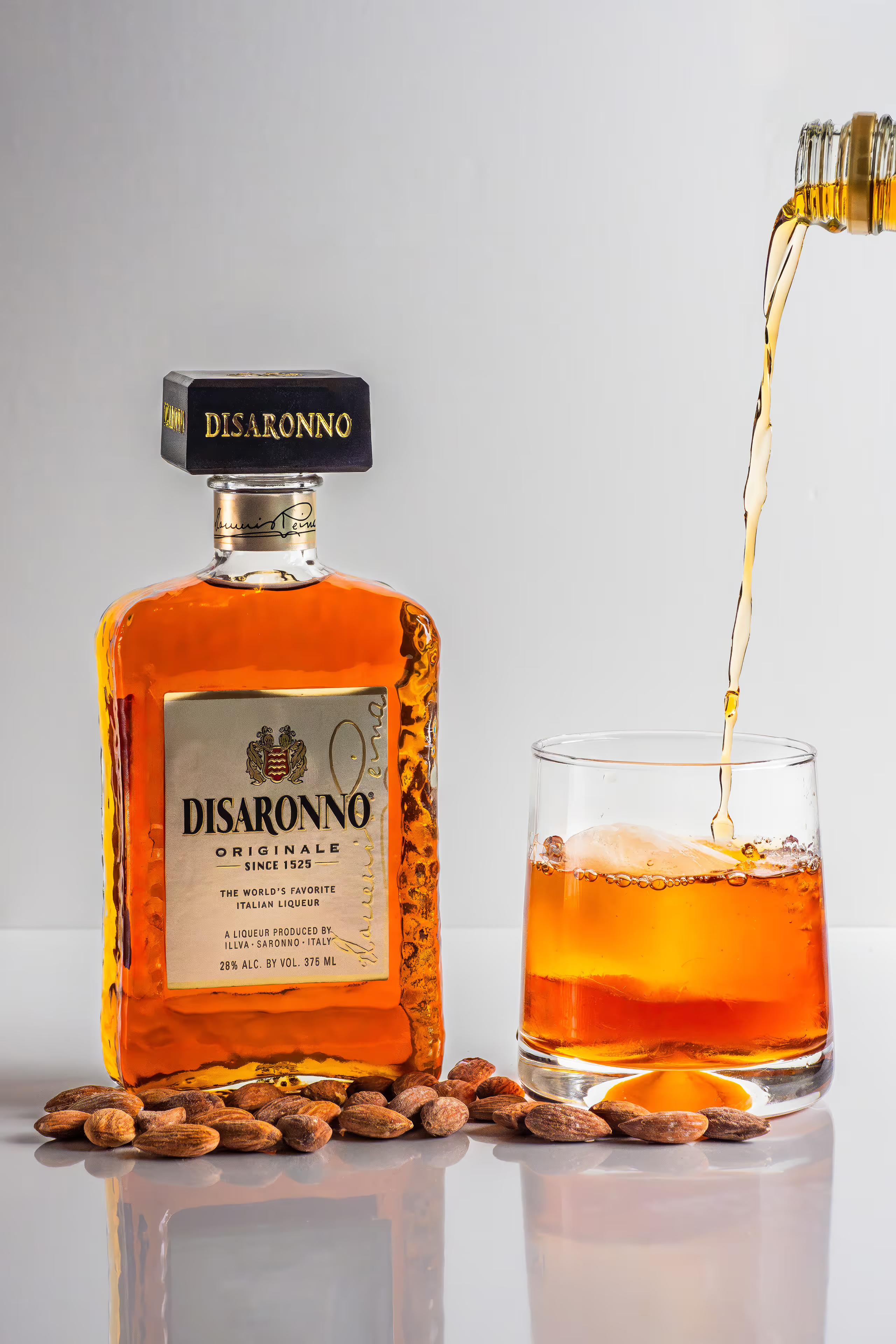
These are the images that stop the scroll. Common creative setups include:
- Ingredient scenes that explain flavor or function
- Simple lifestyle moments that show use
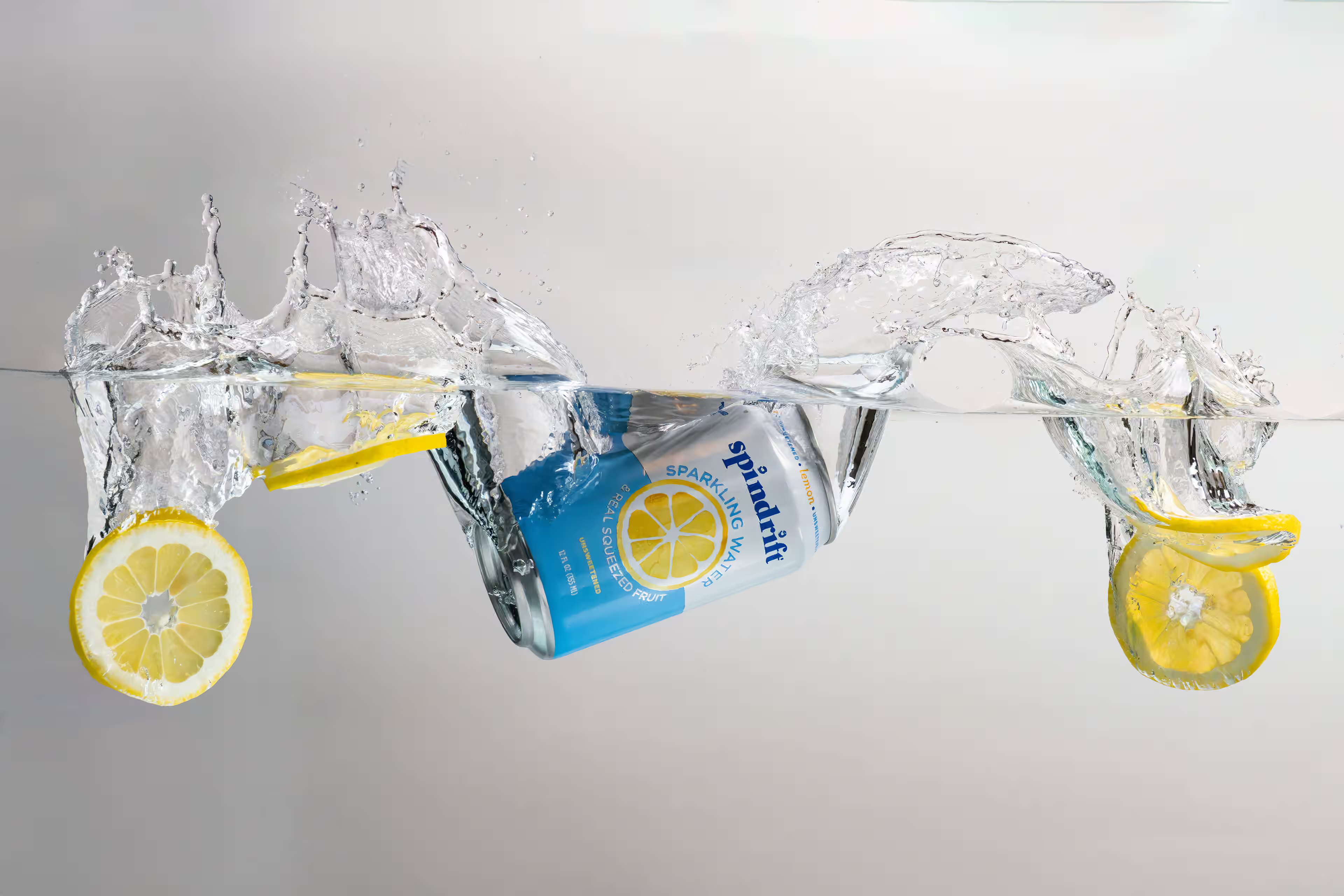
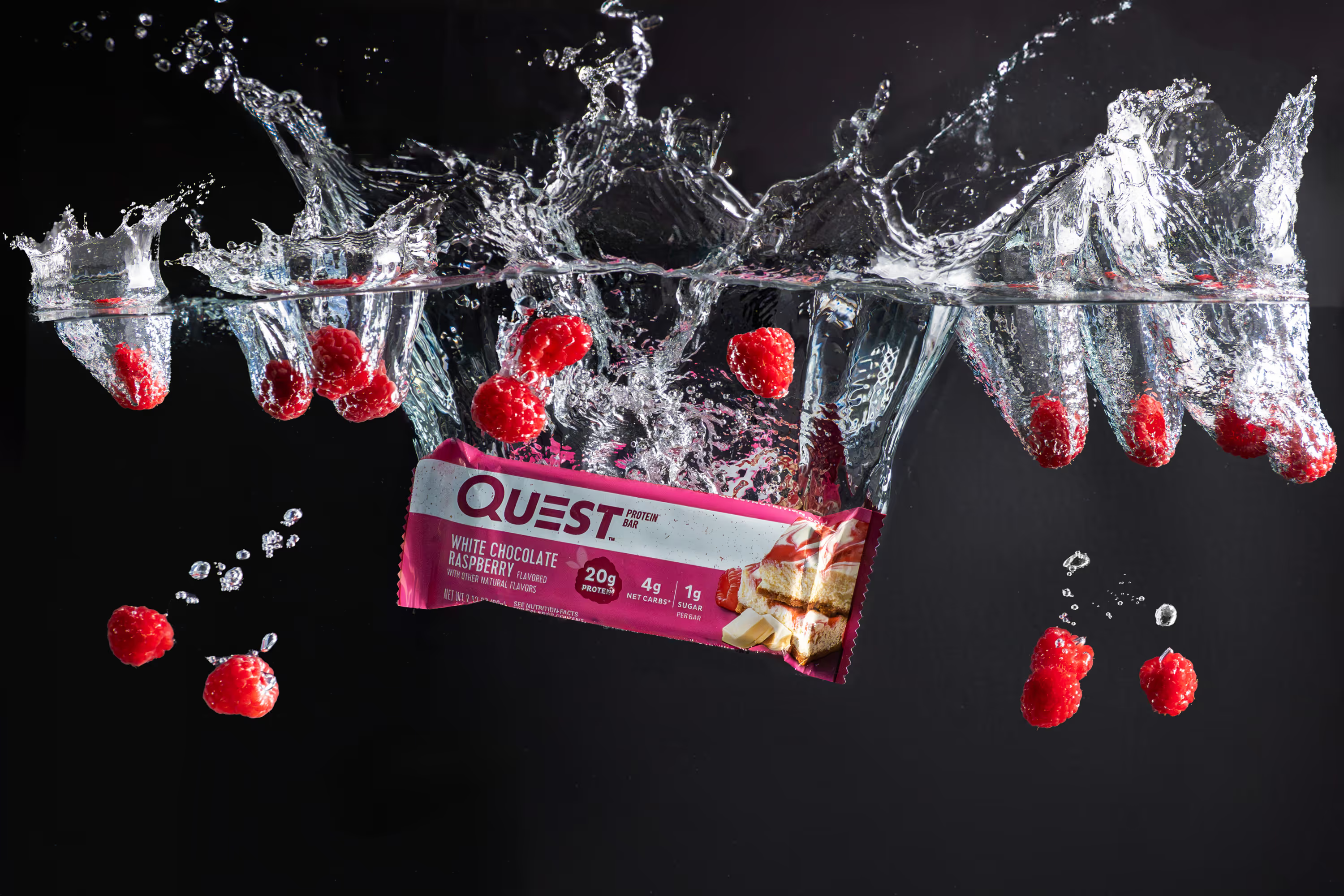
- Motion that adds energy, like pours, splashes, or spins
Motion matters because your ads compete with video. A short loop or dynamic images often outperform a static photo because it grabs attention faster.
How To Plan a CPG Shoot That Stays Easy for You
Start with your channels and your “must have” images. Before you talk props, answer two questions: Where will you use these images in the next 90 days? And what images do you need to ship your next launch? Then build the shot list around those needs. That keeps the shoot focused and keeps approvals faster.
Next Step
If you want a CPG image library that stays consistent across every SKU and channel, we can plan it with you, shoot it, and deliver files your team can use right away. Book a call today to get product photos that convert.
FAQ
What does CPG stand for in product photography?
CPG stands for consumer packaged goods. In photography, it means packaged products that need consistent images for ecommerce, ads, and retail.
How is CPG product photography different from normal product photography?
CPG photography focuses on consistency across multiple SKUs and formats, plus packaging accuracy and readability for ecommerce and marketplaces.
How many photos do you need for a CPG launch?
Most launches need a core set for the product page plus extra crops for ads. Plan for a hero, angles, details, and at least one scale image per SKU, then add creative shots for campaigns.
Do you need different photos for Amazon and Shopify?
Yes. Amazon has stricter rules for main images. Shopify gives you more freedom. Plan separate primary images for compliance, then use lifestyle and creative images in the gallery and ads.
How do you keep photos consistent across flavors and sizes?
You lock lighting, camera height, lens choice, and styling rules. You also shoot a repeatable angle set for every SKU, then build the variant grid from that set.
How do photos reduce returns?
Photos set expectations. When your images match the real product and show key details, shoppers get what they think they ordered. In 2025, Salsify reported 71% of shoppers returned items due to incorrect product content, including mismatched images.