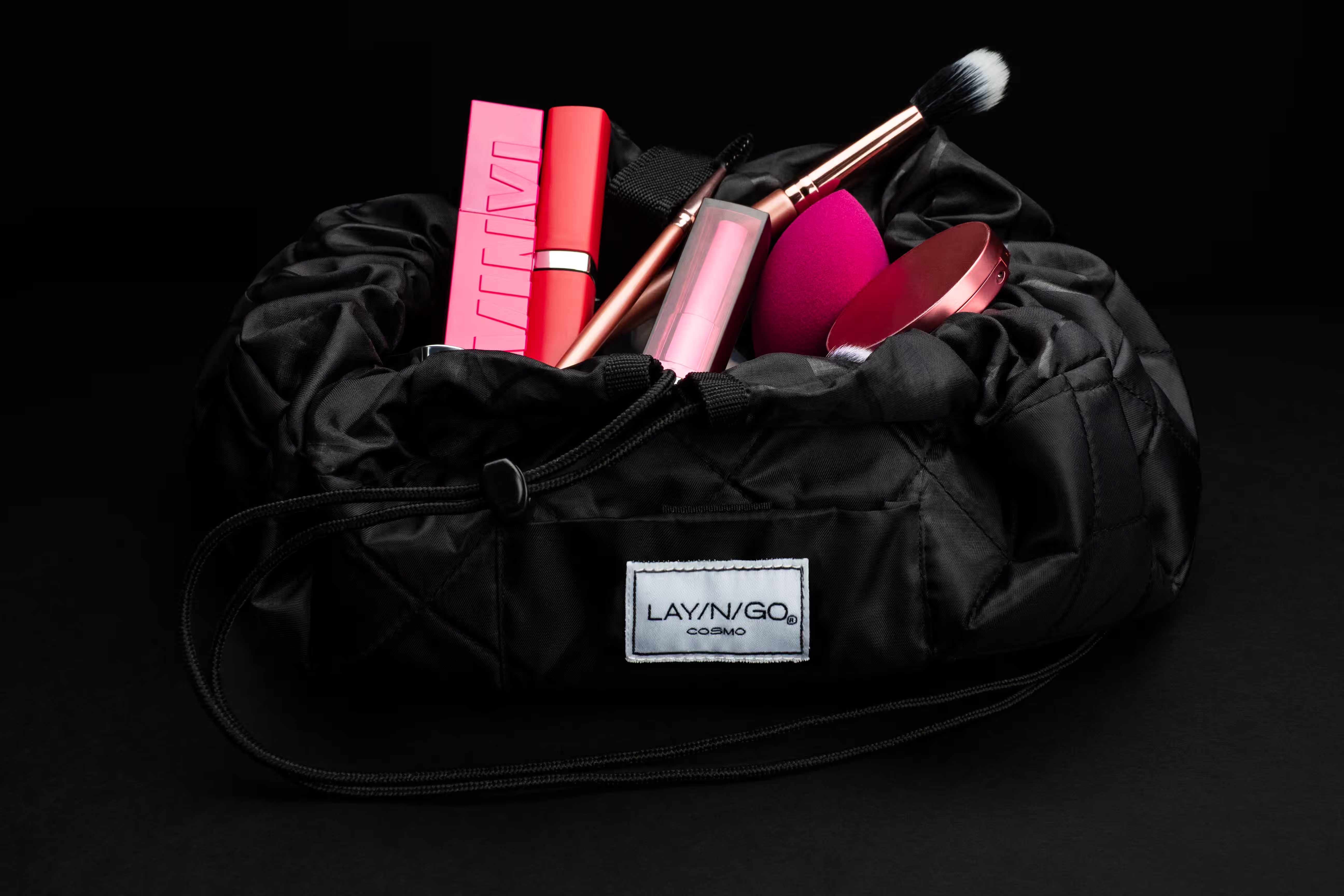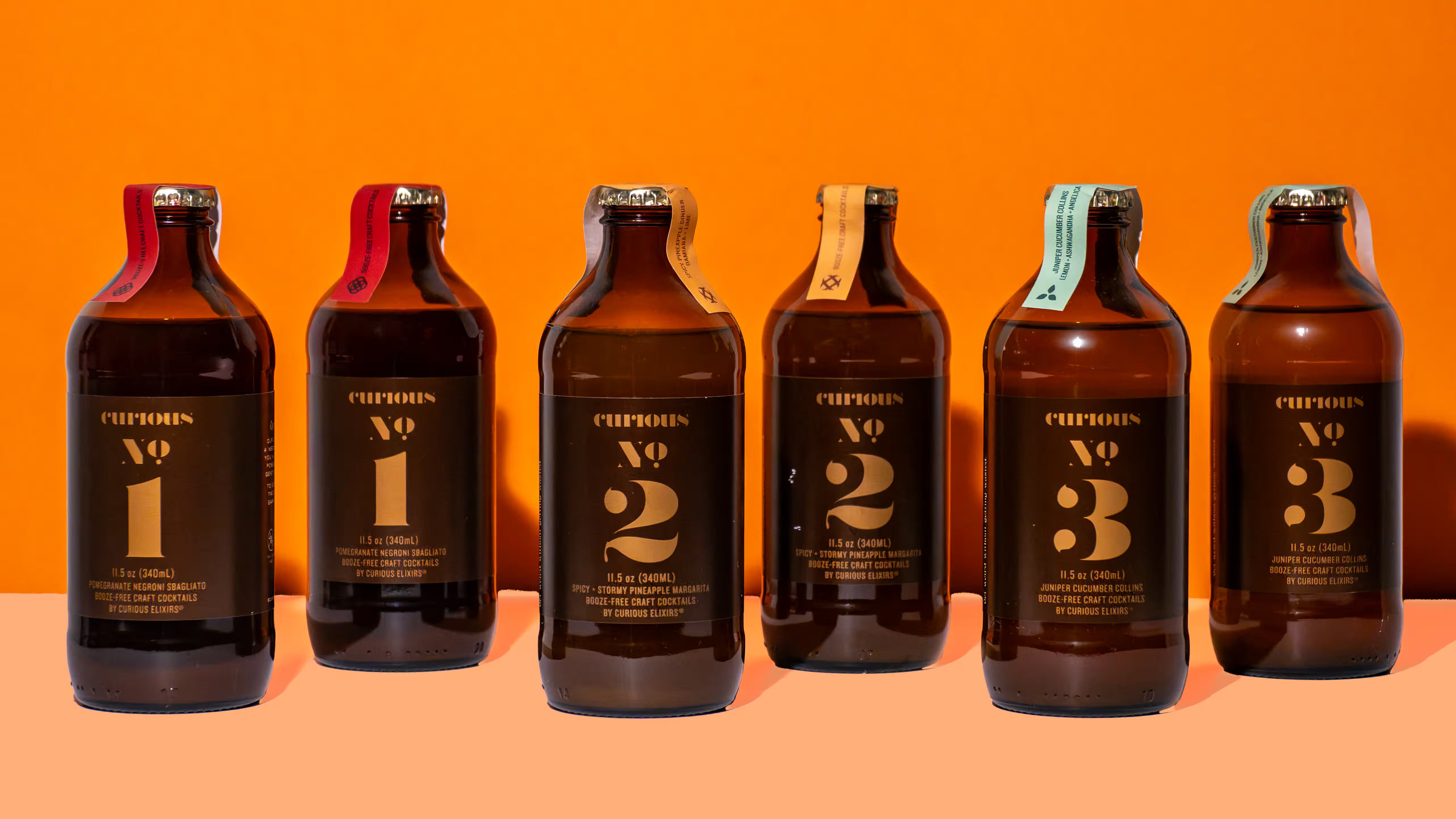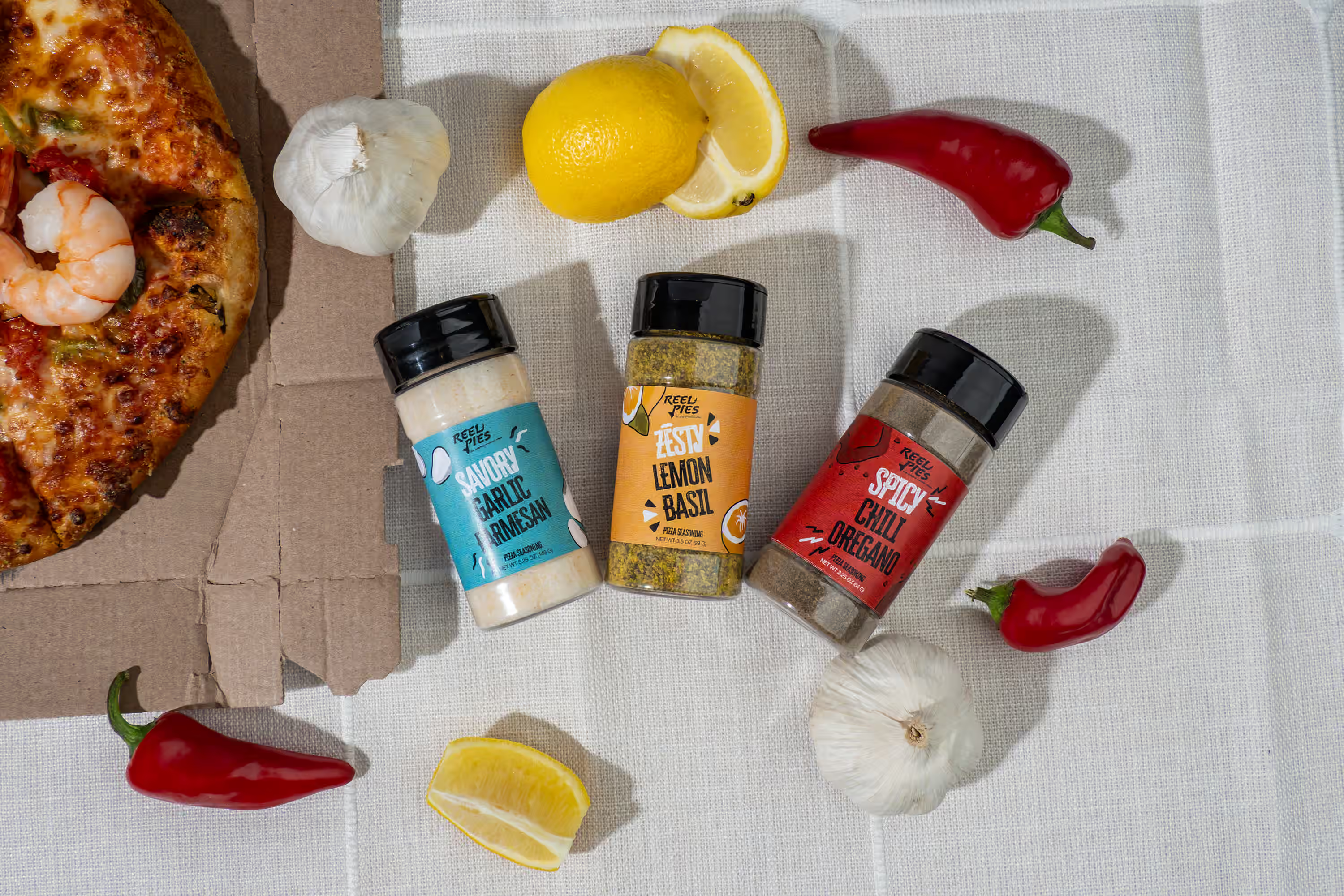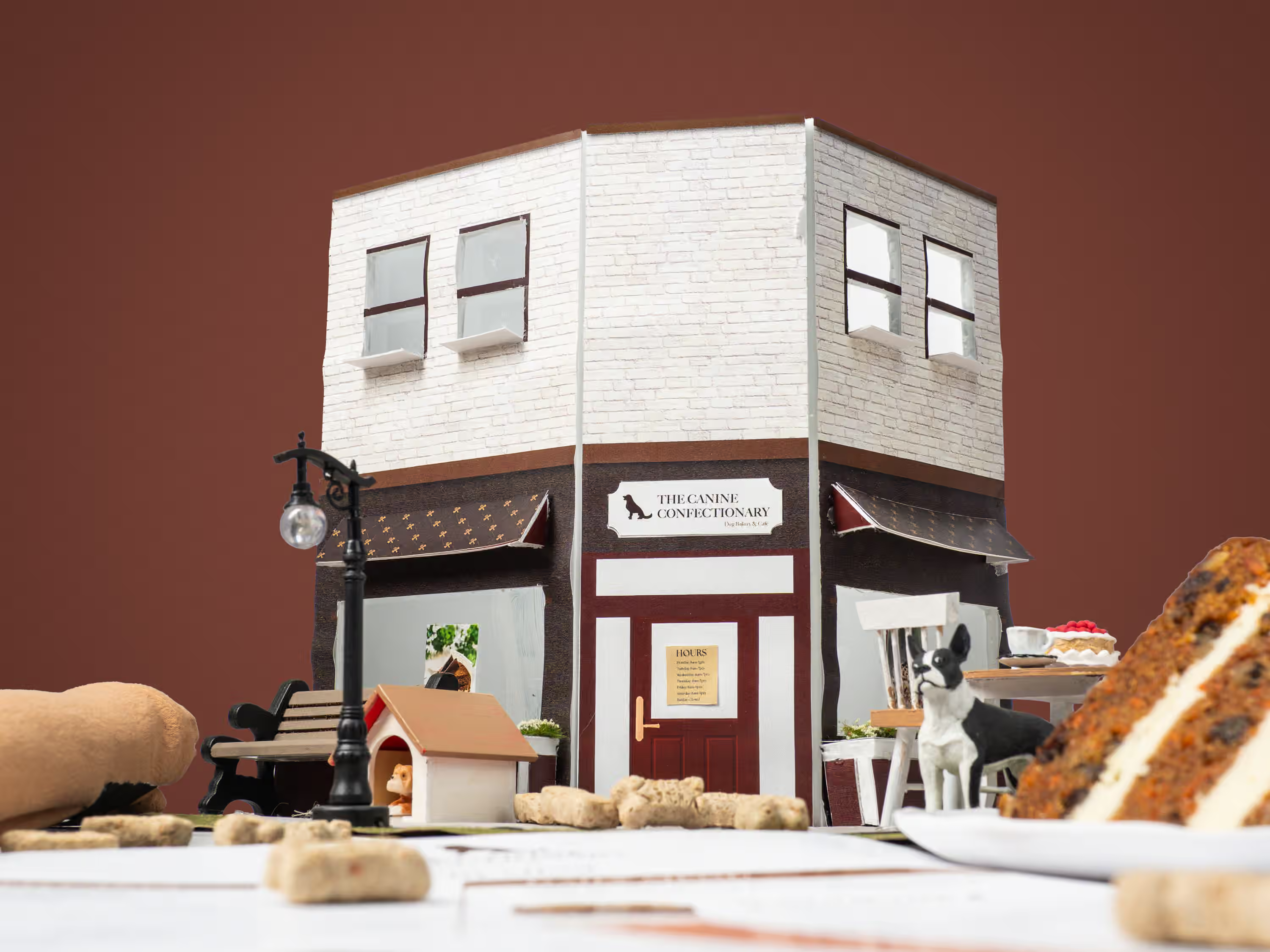
If you’ve ever gotten photos back from a shoot and thought, “These look nice, but I can’t use them,” you’re not alone. Many bad product shoots don’t fail because of the photographer. They fail because nobody agreed on what the photos needed to do. That’s why you need a product photography brief. A good brief tells your photographer (or your in-house team) exactly what to shoot, how it should look, and where it will be used. It saves time, money, and a lot of back-and-forth. It also matters because shoppers rely on photos more than you think. In Baymard’s testing, 56% of users immediately start exploring product images when they land on a product page. And in Salsify’s 2025 consumer research, 77% of shoppers said product images and videos are important for completing a purchase. Here's how you build a brief to get the exact photos you want.
1) What a product photography brief is (and why you need one)
A product photography brief is a one to two page plan for your shoot. It covers your campaign goal, where the images will be used, what shots you need, what style you want, and what files you need at the end. It prevents reshoots and wasted shots. When you skip the brief, the photographer has to guess which angles matter most, what platforms you’re posting on, and what “on brand” means for you. That guessing turns into extra revisions and missing images. It also keeps your brand consistent across products. Consistency helps your store look more professional, especially for CPG brands with multiple flavors or SKUs. Your product page looks cleaner when lighting, angles, and cropping match across the whole lineup.
2) Define your campaign goals before you write the shot list
If you only do one thing today, do this. Write your goal in one sentence. Example: Goal: Increase conversions on our product page by making the packaging and benefits easier to understand. Why this matters: ecommerce is getting more competitive. IRP Commerce reports the average e-commerce conversion rate dropped from 2.18% to 1.99% (Dec 2025 vs Dec 2024).That means small improvements matter more. Pick one primary goal and two supporting goals. Keep it simple. Examples of primary goals are: Improve product page conversion, Launch a new SKU, Build a 30-day ad content library, or Refresh your Amazon listing. Supporting goals can be: Create images for email, Create lifestyle content for Instagram, Build a press kit for retailers
Match the goal to where the customer is
Ask yourself this: Are you trying to help someone discover your product, or buy your product? Discovery photos usually look more lifestyle-focused. Buying photos need clarity, details, labels, and scale. This is also why “selling online” keeps growing. In 2024, a 1WorldSync report found 73% of consumers were moving more of their shopping online.
3) Decide where the photos will live (so you get the right crops)
If you want usable images, list every place you plan to use them. Most CPG brands use photos in:
- Shopify or Webflow product pages
- Amazon listings
- Paid ads (Meta, TikTok, Google)
- Email campaigns
- Retail sell sheets
Write down every platform and format you need
Here’s a simple way to do it:
- Website product page: square or landscape, clean background
- Amazon: strict white background, readable label
- Instagram feed: 4:5 vertical crops
- Stories and TikTok: 9:16 vertical
- Email headers: wide banners
If you don’t list these up front, you usually end up cropping randomly later, and the quality drops.
Define what “good” looks like for your brand
Don’t say “make it premium.” That’s vague. Say what you actually want:
- Bright and clean
- Natural light feel
- Soft shadows
- High contrast
- Simple props, nothing busy
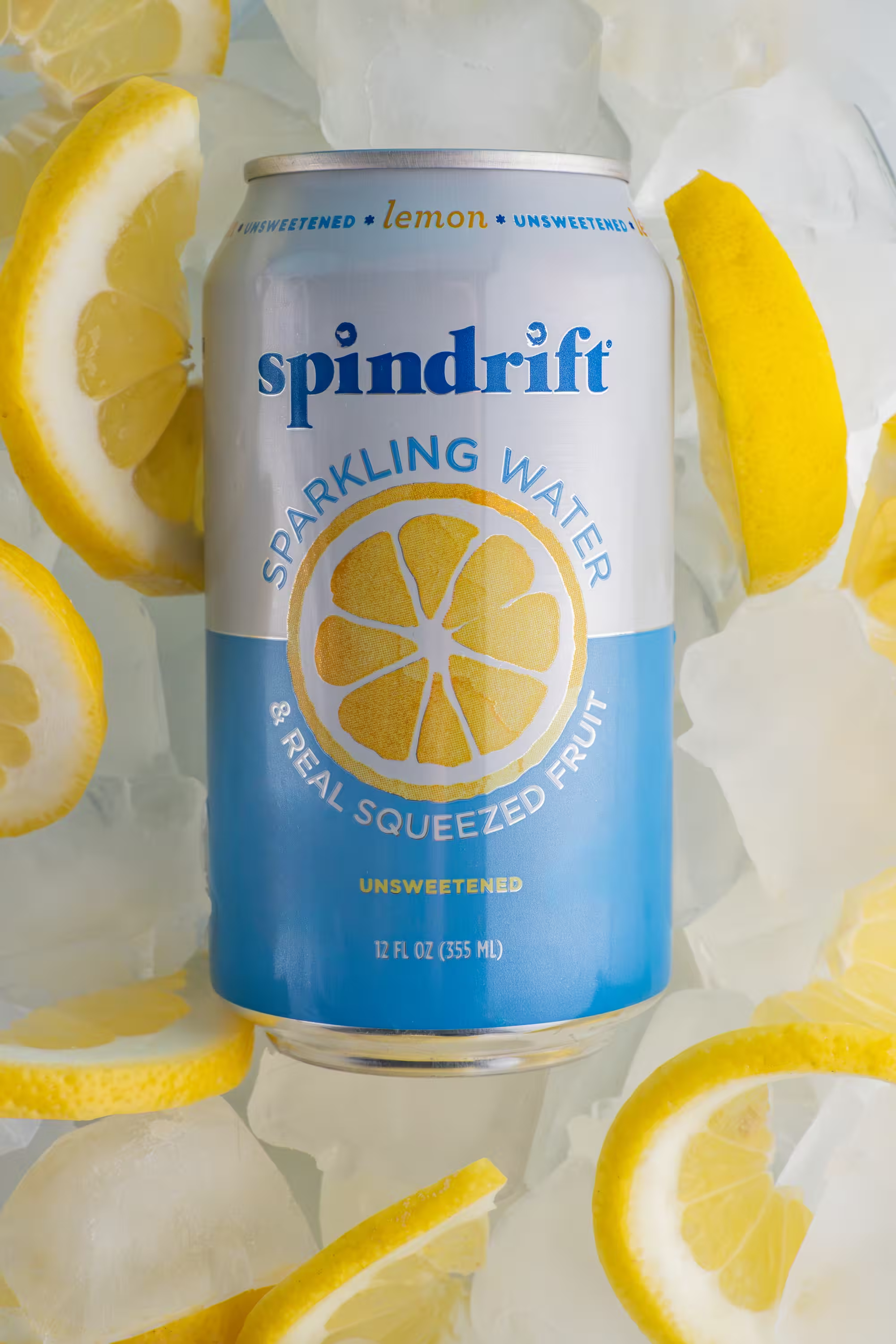
- Packaging stays the hero
4) Build the shot list and creative direction
This is the core of your brief. If you give a photographer a clear shot list, you get photos you can post right away.
Shot list basics that cover ecommerce
For each SKU, include: Conversion set (must-have):
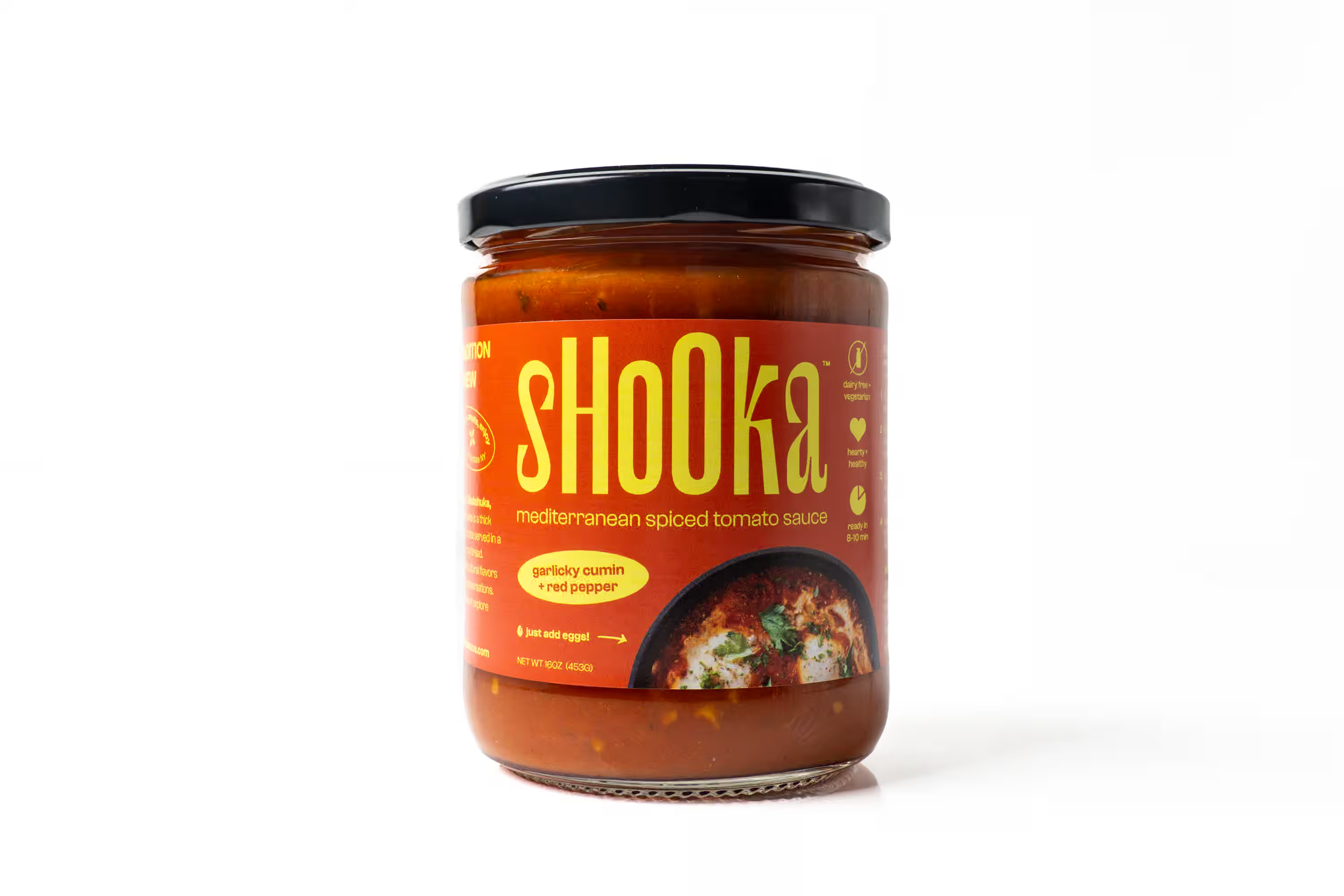
- Hero image (front, centered)
- 45-degree angle
- Back label (ingredients, nutrition, directions)
- Close-up of your main claim
- In-hand or in-scale photo (shows size)
This matters because images do real work on the page. Baymard found product images are often the first thing users interact with. Baymard Institute
Marketing set (nice-to-have):
6. Lifestyle scene (simple use case)
7. A “collection” image (all flavors together)
8. Detail shot (texture, pour, crumble, foam, etc.)
Creative direction you can write in plain English
You don’t need fancy words here. You need specifics. Include:
- Background: pure white, light gray, brand color, textured surface
- Lighting: bright and clean, soft and natural, or moody and dramatic
- Props: minimal, real ingredients, neutral tones
- Do-not-use list: messy props, heavy smoke, harsh reflections, clutter
Want a simple rule? If the prop distracts from your label, cut it. Also remember your photos need to work on mobile. Google says, “High-quality photos appeal to users more than blurry, unclear images.”
5) Confirm who is in charge of approvals
Pick one person who gives final approval. One person. Then add checkpoints: Mood board approved before shoot day, First selects approved after the shoot, Final exports approved before upload. This keeps your shoot from turning into a group project.
6) Want a brief that gets you usable photos – every time?
If you’re planning a shoot for a CPG product, we can help you turn your goals into a clear 1–2 page photography brief (shot list, styling direction, and platform-ready crops) so you get product photos that convert and product photos you love, without endless revisions.
7) FAQ
What should a product photography brief include?
Include a clear goal, usage platforms, a shot list, style direction, and file requirements. Keep it short and specific.
How long should a product shoot brief be?
One to two pages. If it’s longer, people stop reading it.
What is the difference between a creative brief and a photography brief?
A creative brief covers the whole campaign. A photography brief focuses on the shoot and the images you need.
How many photos do I need per SKU for ecommerce?
Start with 5 must-have shots per SKU, then add lifestyle and detail shots if you run ads.
Who should approve the brief before the shoot?
One person on your team. Too many approvals slow everything down.
What is the biggest mistake CPG brands make before a shoot?
They skip defining the goal. When you don’t know what the photos need to do, you get random results.