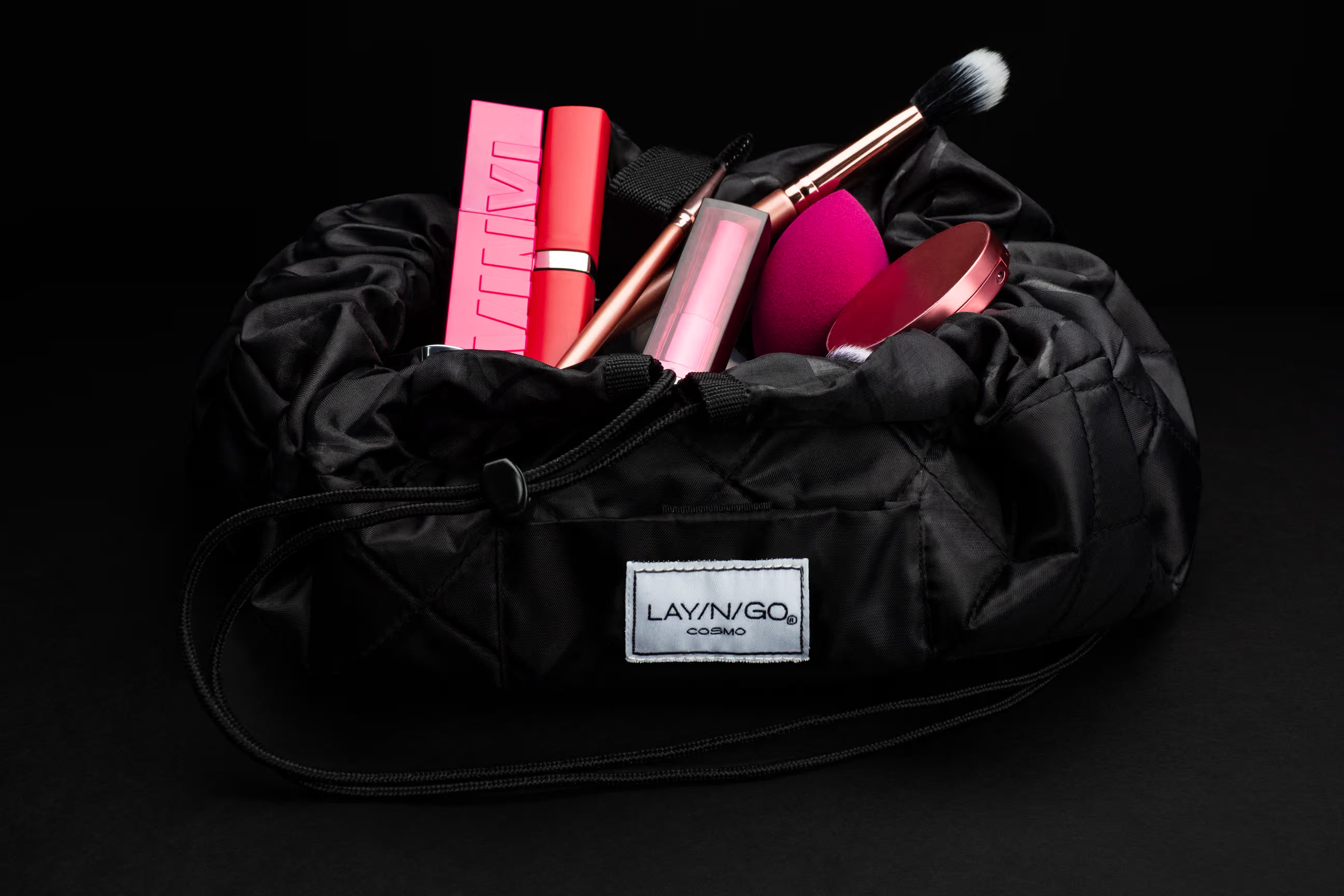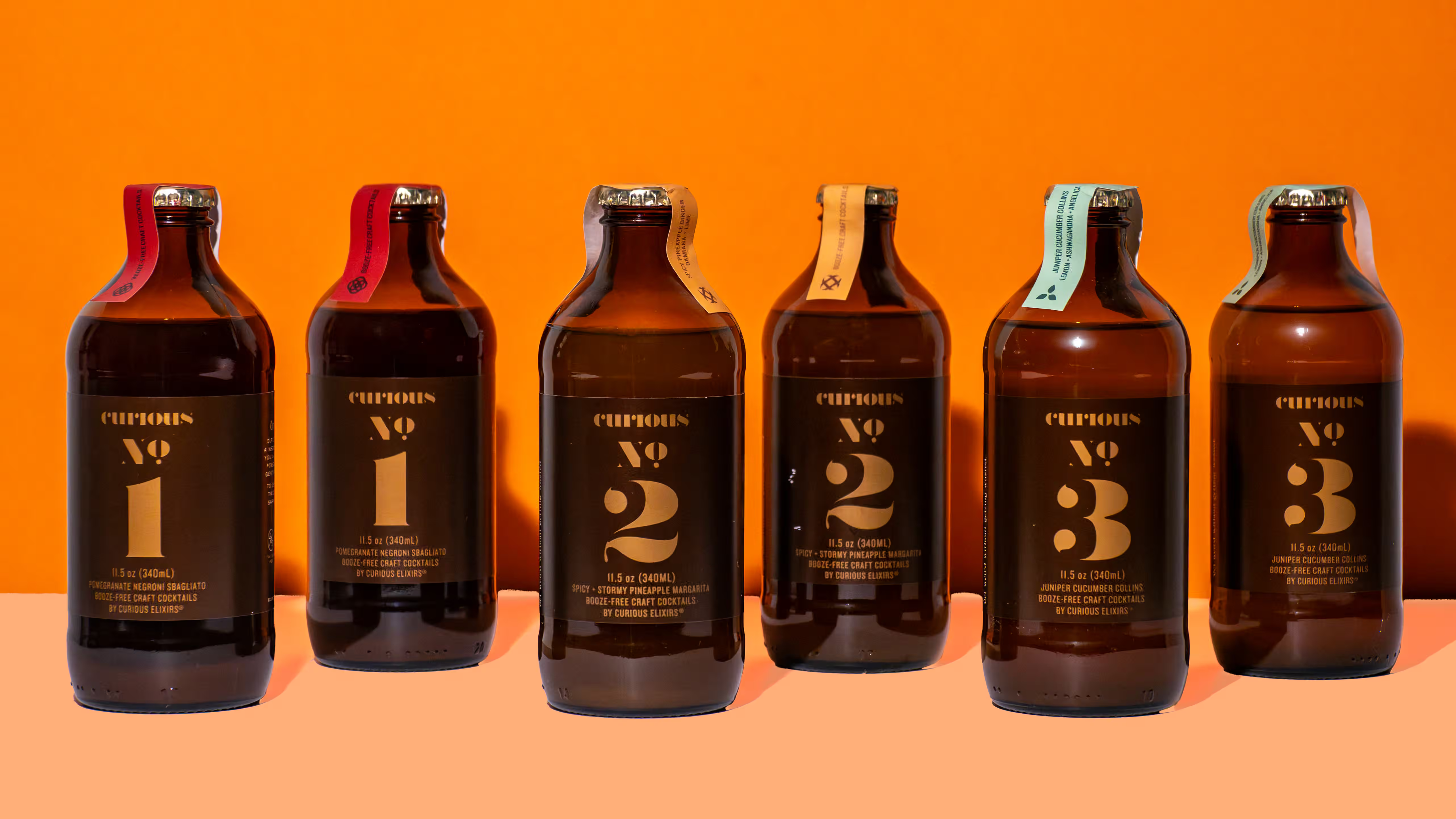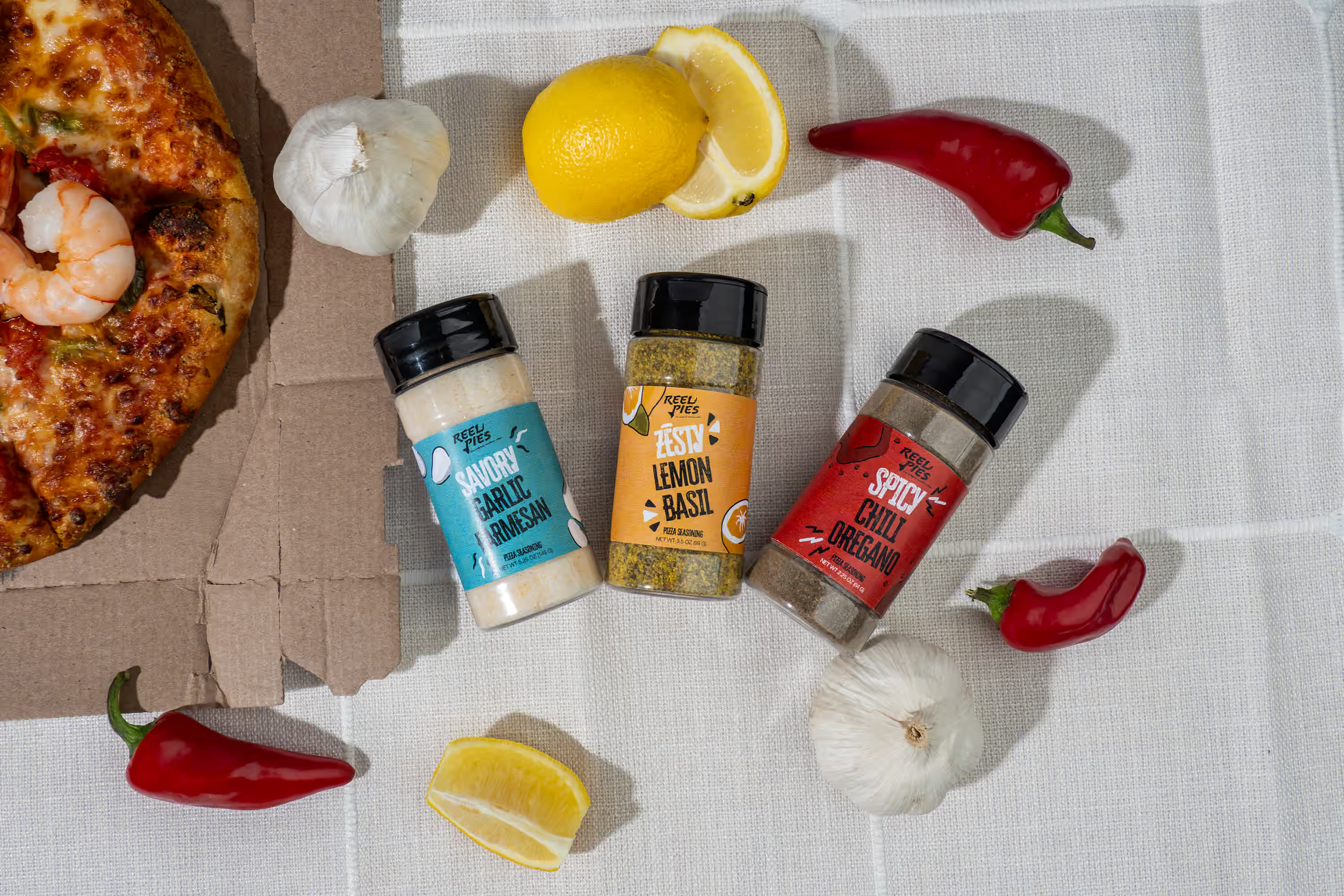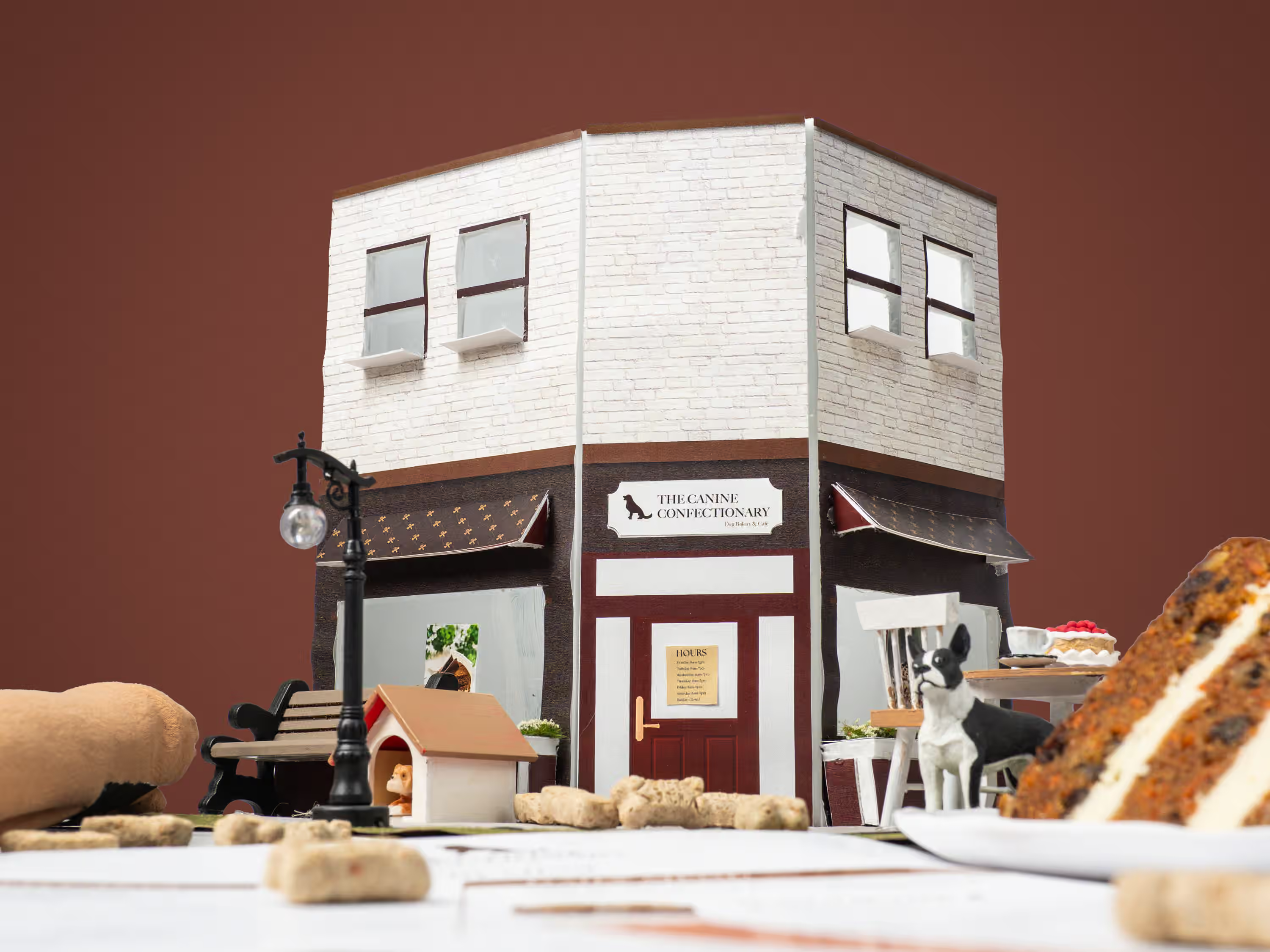
Most CPG brands run their entire visual strategy on two or three product photo types and leave money on the table everywhere else. Here's the complete set you need, where each one belongs in your marketing, and how the right mix drives real revenue.
How Do You Build a Complete Product Photo Library?
Every channel in your marketing asks something different from your visuals. Your product page needs clarity. Your ads need scroll-stopping energy. Your homepage needs polish. And your email campaigns need all of it.
The brands consistently seeing 20-30% higher engagement across channels aren't spending more on photography. They're shooting smarter by covering five distinct product photo types, each with a clear job. Here's the framework we use with every CPG product photography client at Photos by Lars.
Count the image types in your library today, then compare against the five below. Most brands we work with are missing two or three entire categories, and once they fill those gaps, the results show up fast in their ad performance and on-site conversions.
What Are the Five Essential Product Photo Types?
1. Clean Product Shots (The Foundation)
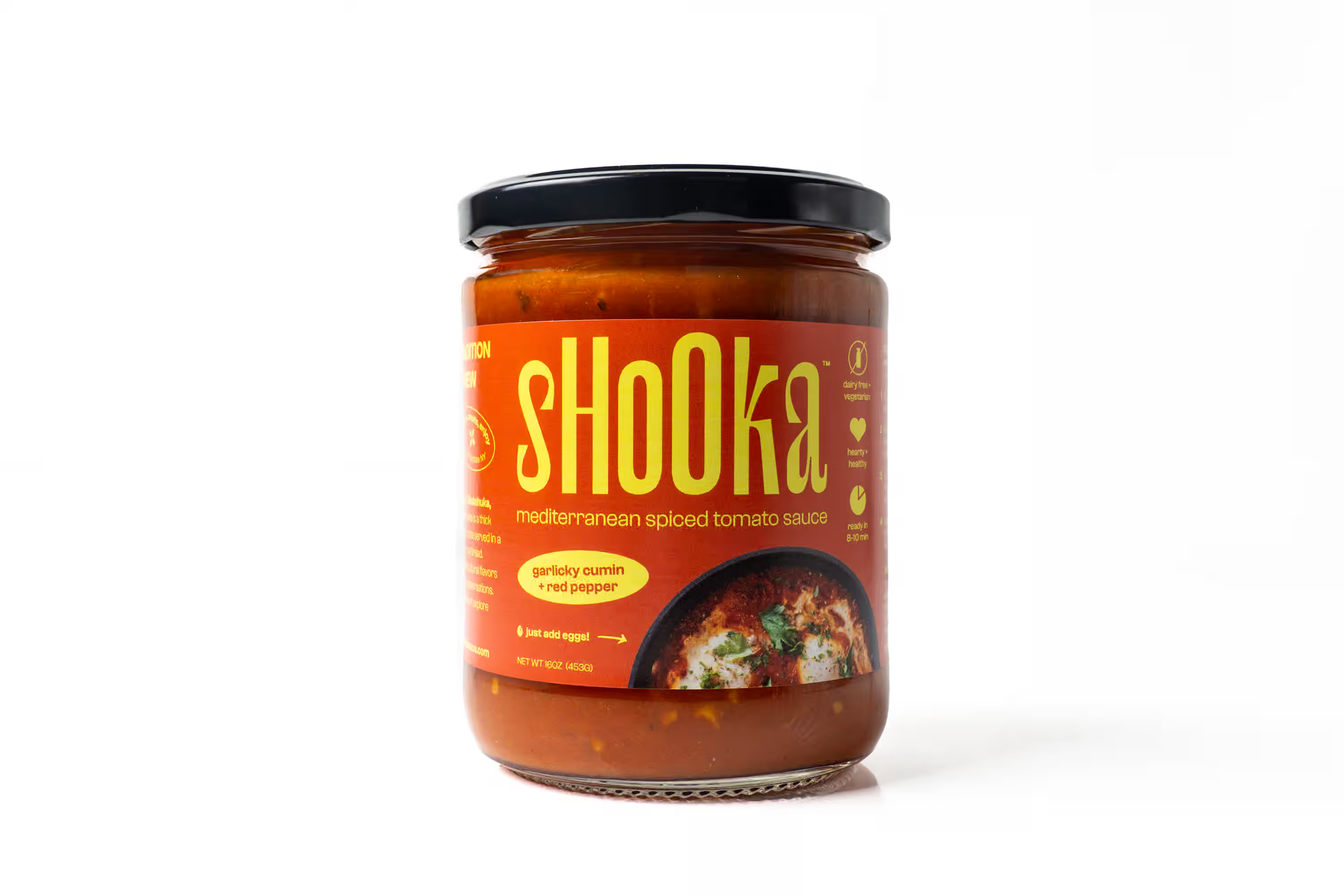
These are your bread and butter. A single product on a white or solid-color background, well-lit, with every label detail sharp and readable. They go on your product pages, Amazon listings, and retail sell sheets.
The job here is trust. When a shopper lands on your product detail page, they need to see exactly what they're buying within two seconds. Blurry labels, bad lighting, or DIY phone shots tank conversion rates. Research from Etsy shows image quality ranks as the top factor in purchase decisions, ahead of price and reviews.
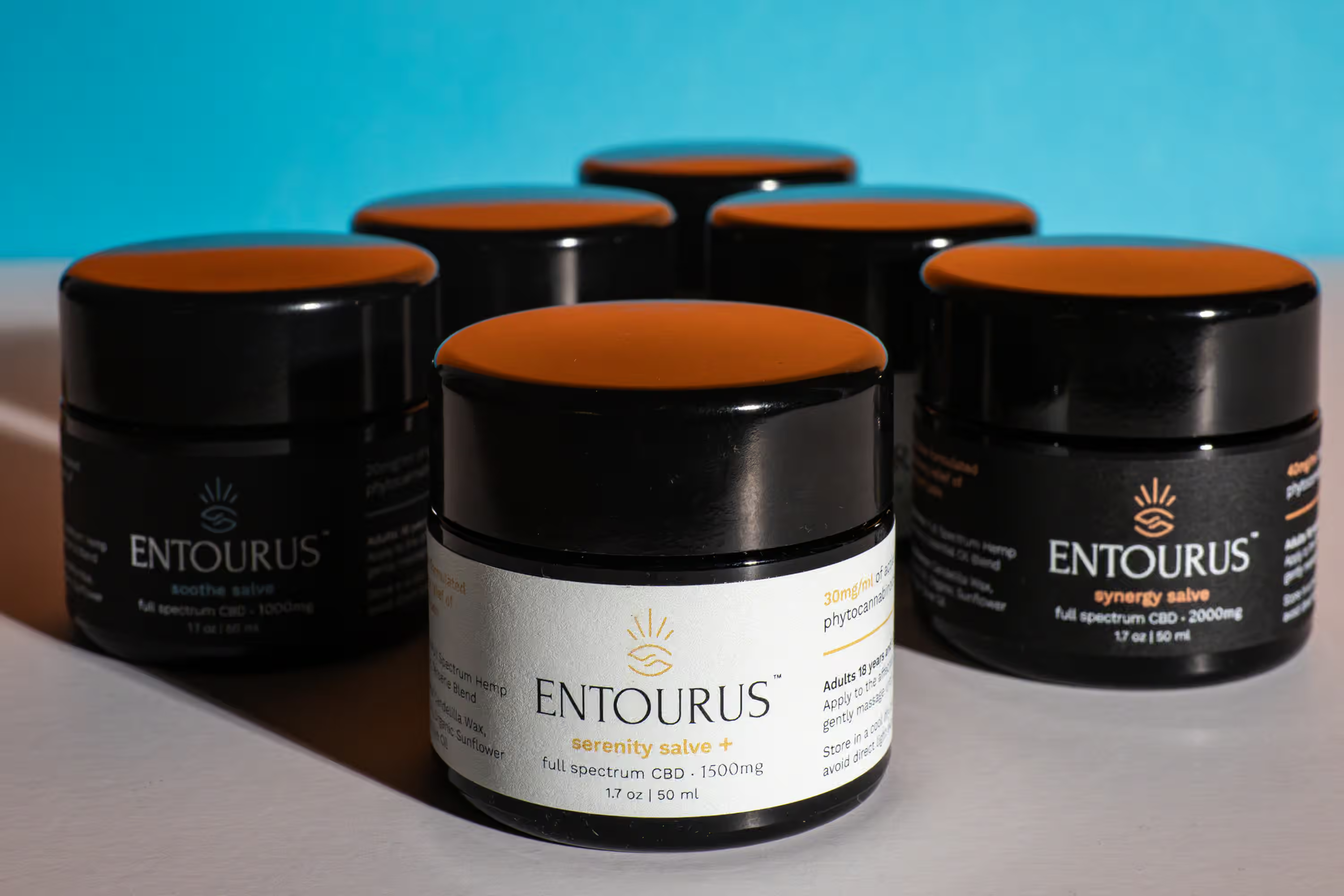
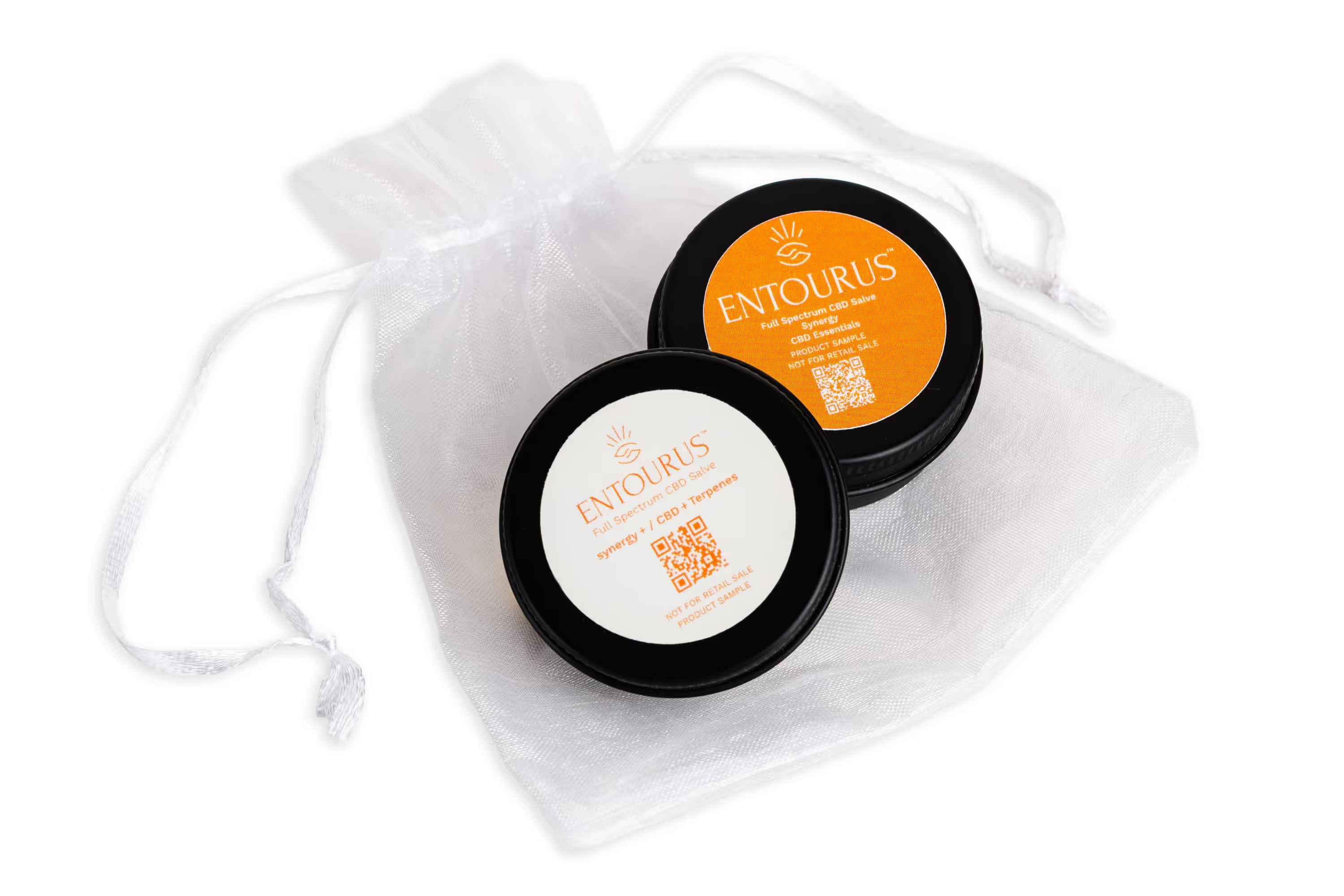
We shoot clean product photos with enough angles and detail crops to fill your full product gallery. For Entourus, we photographed 10 SKUs for a new product launch. Because each bottle was round and slim, we shot three angles on white (front, left side, right side) covering every label detail, all in high enough resolution for customers to zoom in on the website. On top of the individual product shots, we delivered collection groupings, lifestyle setups, and studio compositions, all within five days. As Noah Aznoian, Entourus founder, put it: "Lars' meticulous planning, professional guidance, and creative flair made the entire process effortless."
2. Lifestyle and In-Use Shots (The Storyteller)
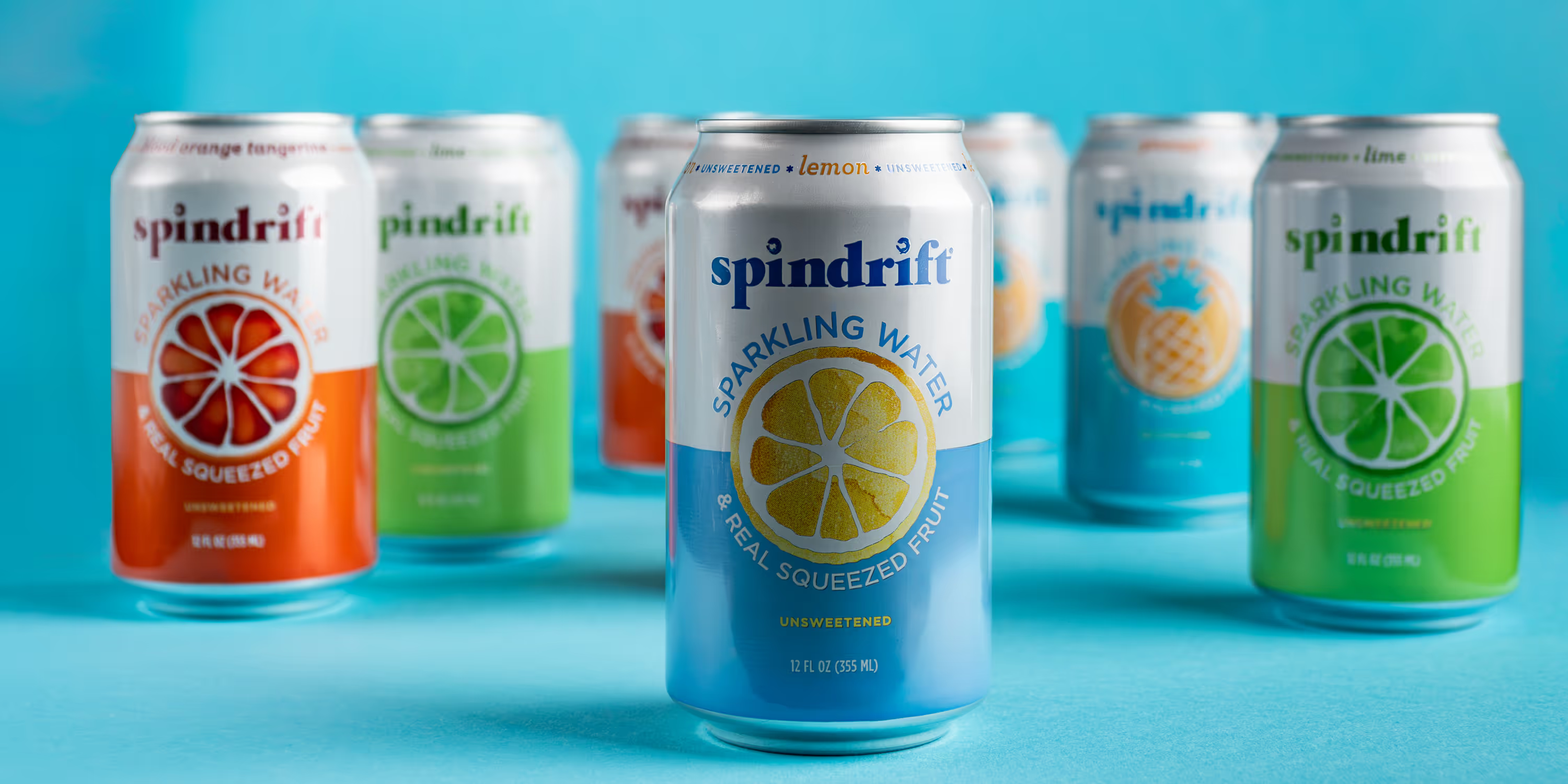
Lifestyle photos show your product in context. Picture a hot sauce bottle on a cutting board next to fresh tacos. Or a sparkling water cracked open at a backyard table. These images answer the question every shopper asks without realizing it: "Is this for someone like me?"
This is where your brand personality comes through. Lifestyle shots drive social engagement and work as emotional anchors on your about page and homepage. They make your audience feel something instead of weighing a decision.
Brands using lifestyle imagery in their ad creative report up to 30% higher click-through rates compared to product-on-white alone, per Shopify's product photography guidelines. People scroll past products. They stop for scenes they want to be part of.
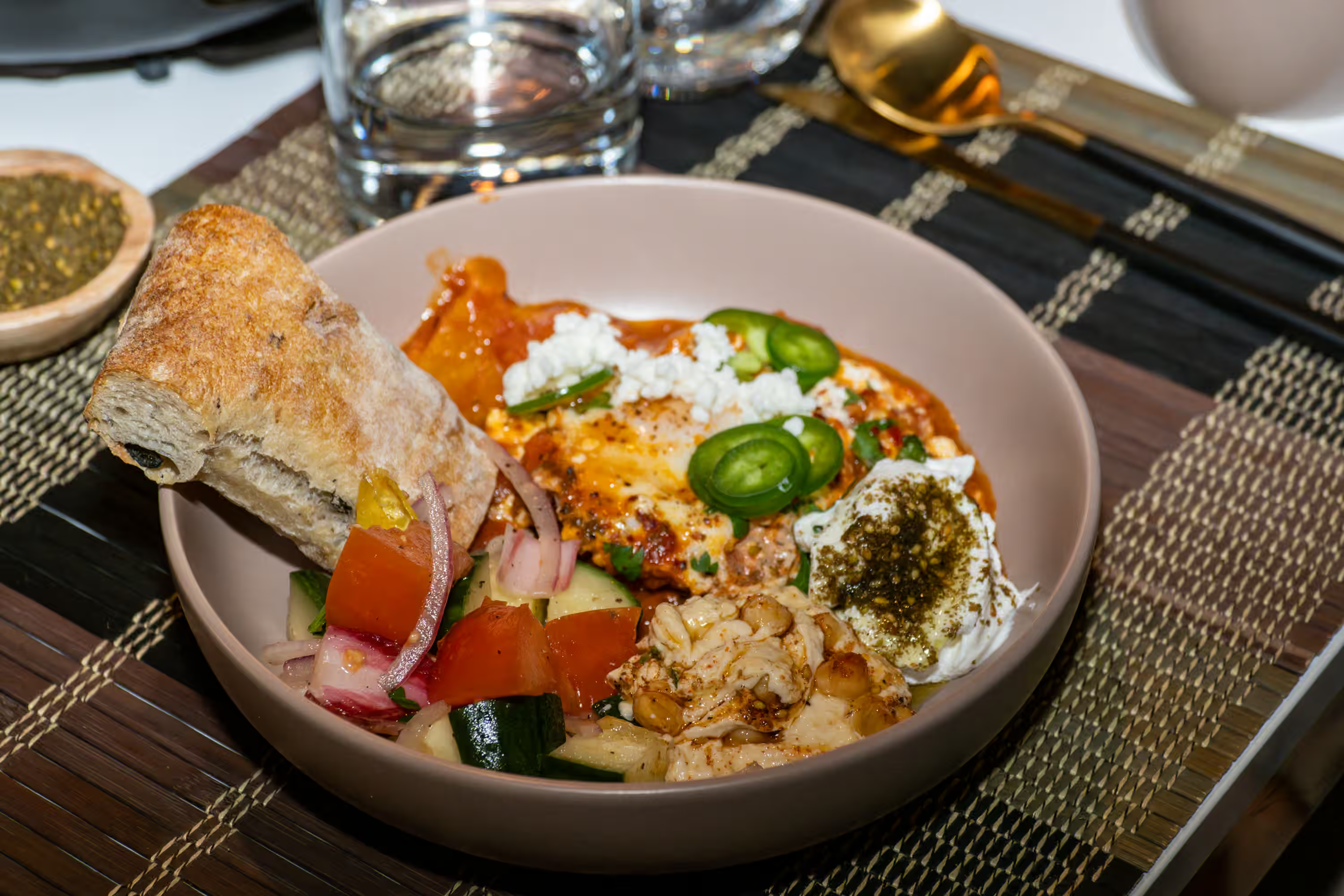
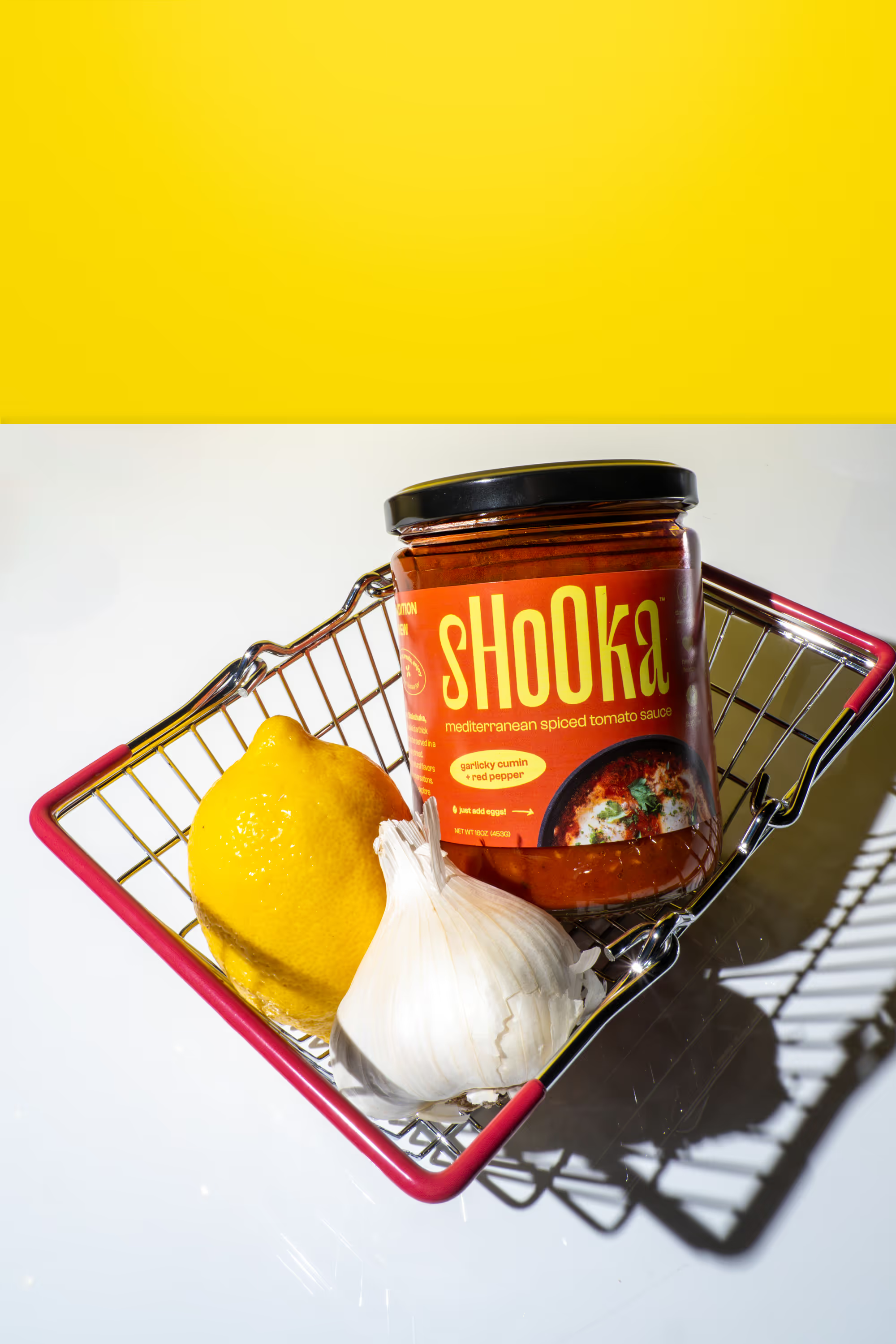
For Shooka Sauce, we built an entire dinner party scene in one session. We captured everything from the product being used in cooking, to a styled table setting, to lifestyle shots of guests laughing and enjoying the meal together. The goal was to associate Shooka with a good time, not a condiment on a shelf. Those images gave the brand months of social content across every channel.

3. Hero Shots (The Showstopper)
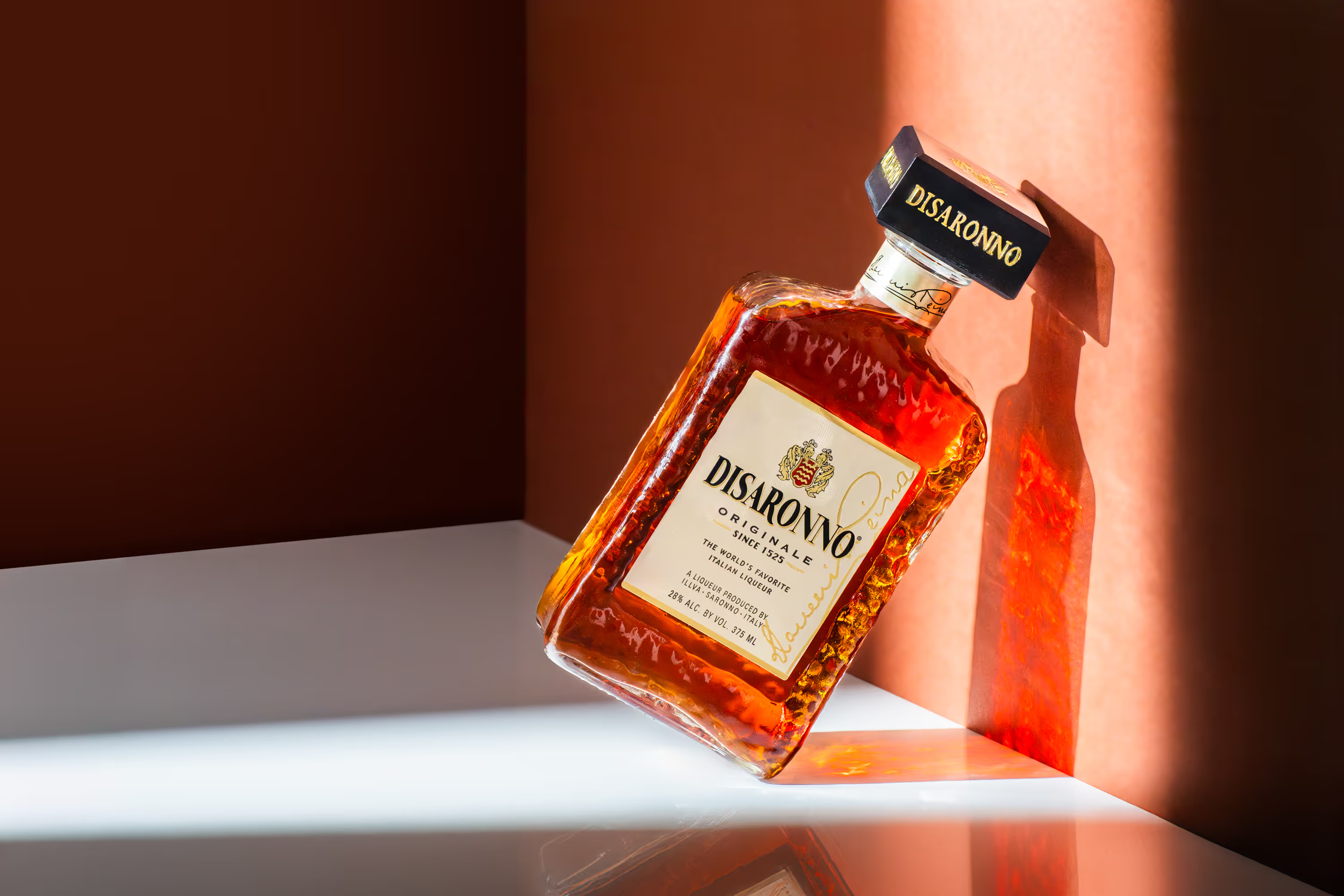
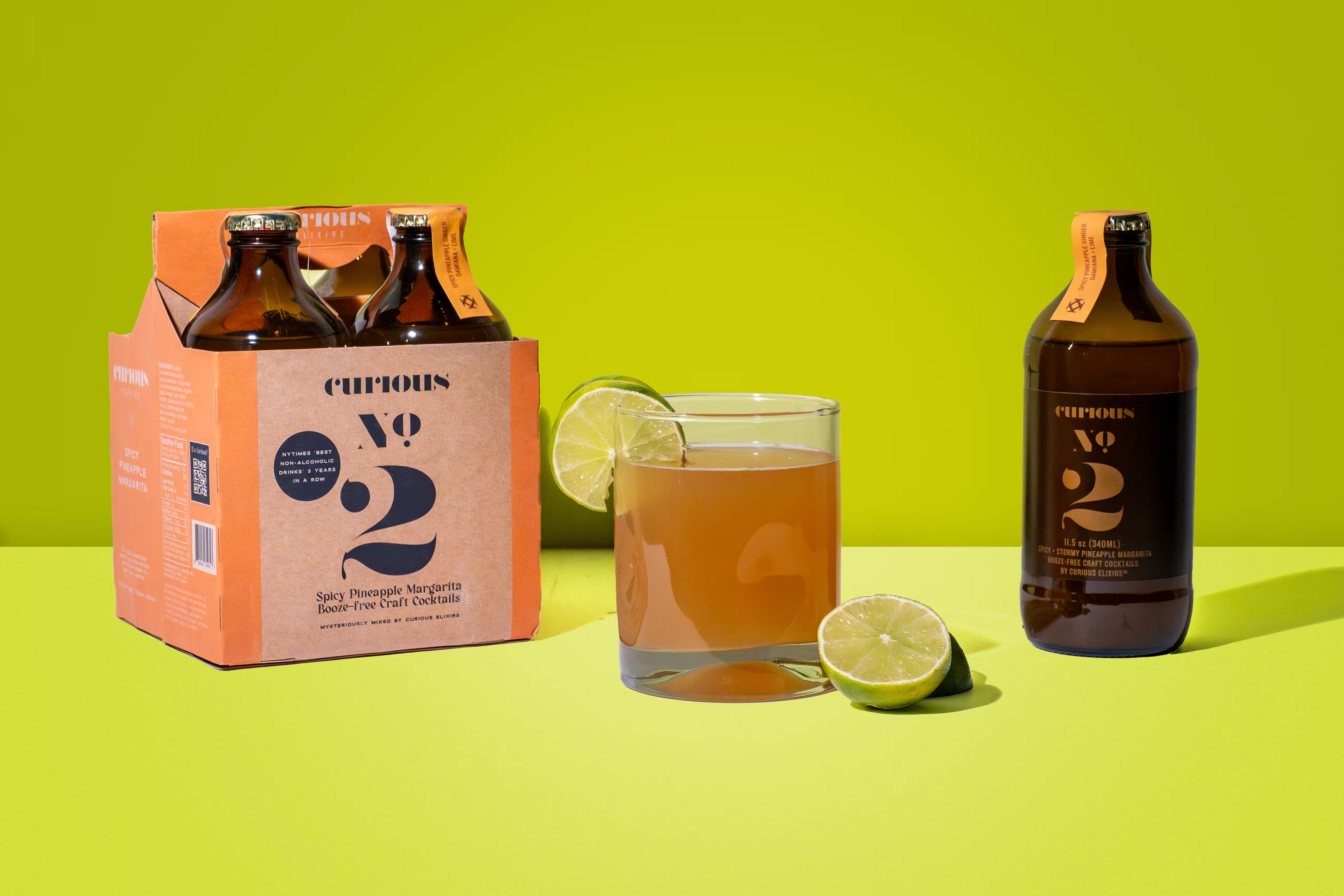
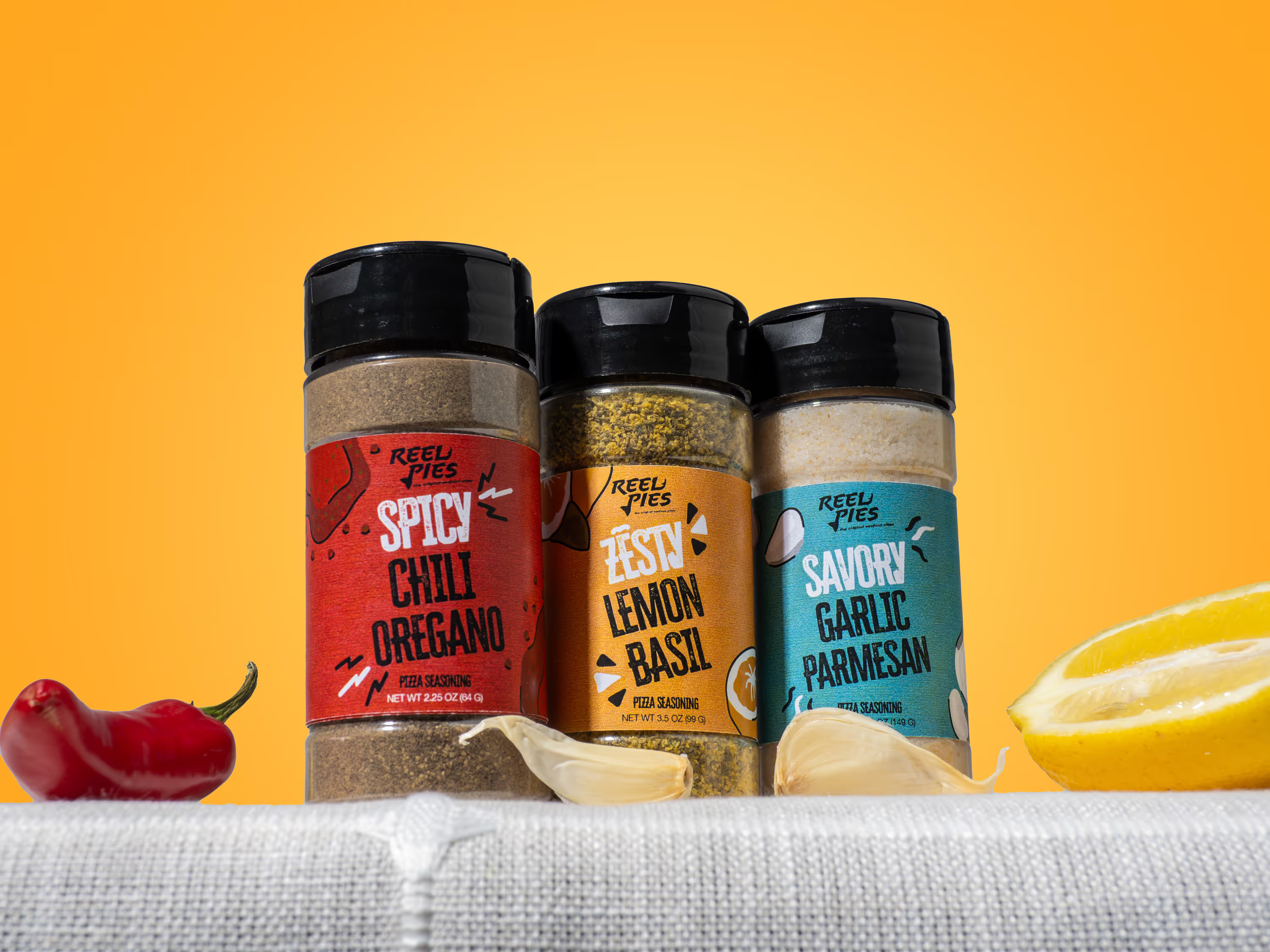
Hero shots are the most polished, most intentional images in your library. Think of the photo you'd put on a billboard or at the top of a retail pitch deck. They're bold, composed, and designed to make your product look like a category leader.
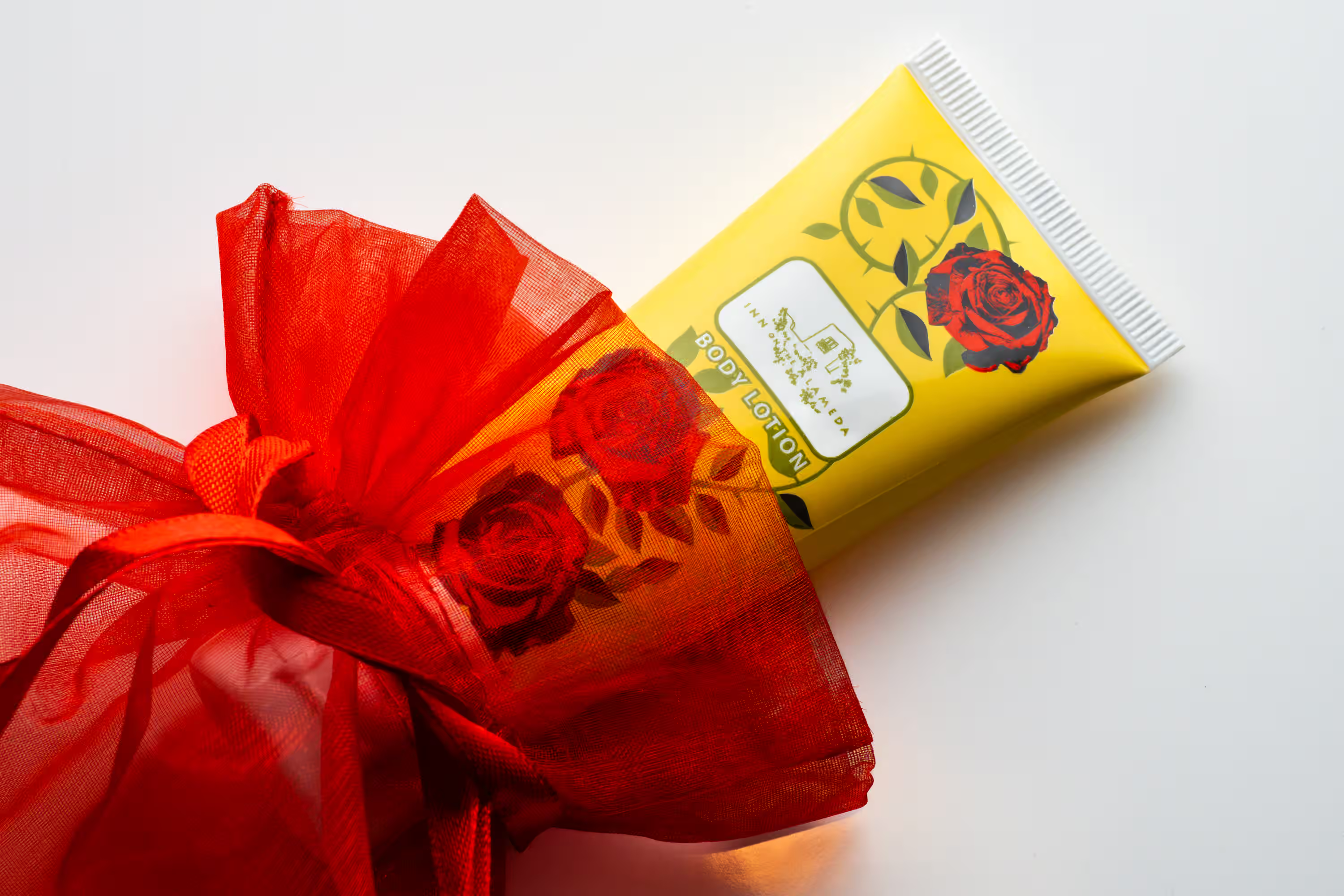
These differ from clean product shots because they often carry dramatic lighting, deliberate color palettes, and a sense of scale and premium quality. Your hero shot goes on your homepage banner, your investor deck, and your trade show booth.
We approach hero photography as the visual equivalent of your elevator pitch. If someone sees one image from your brand and nothing else, this is the one you want.
4. Motion Product Shots (The Scroll-Stopper)
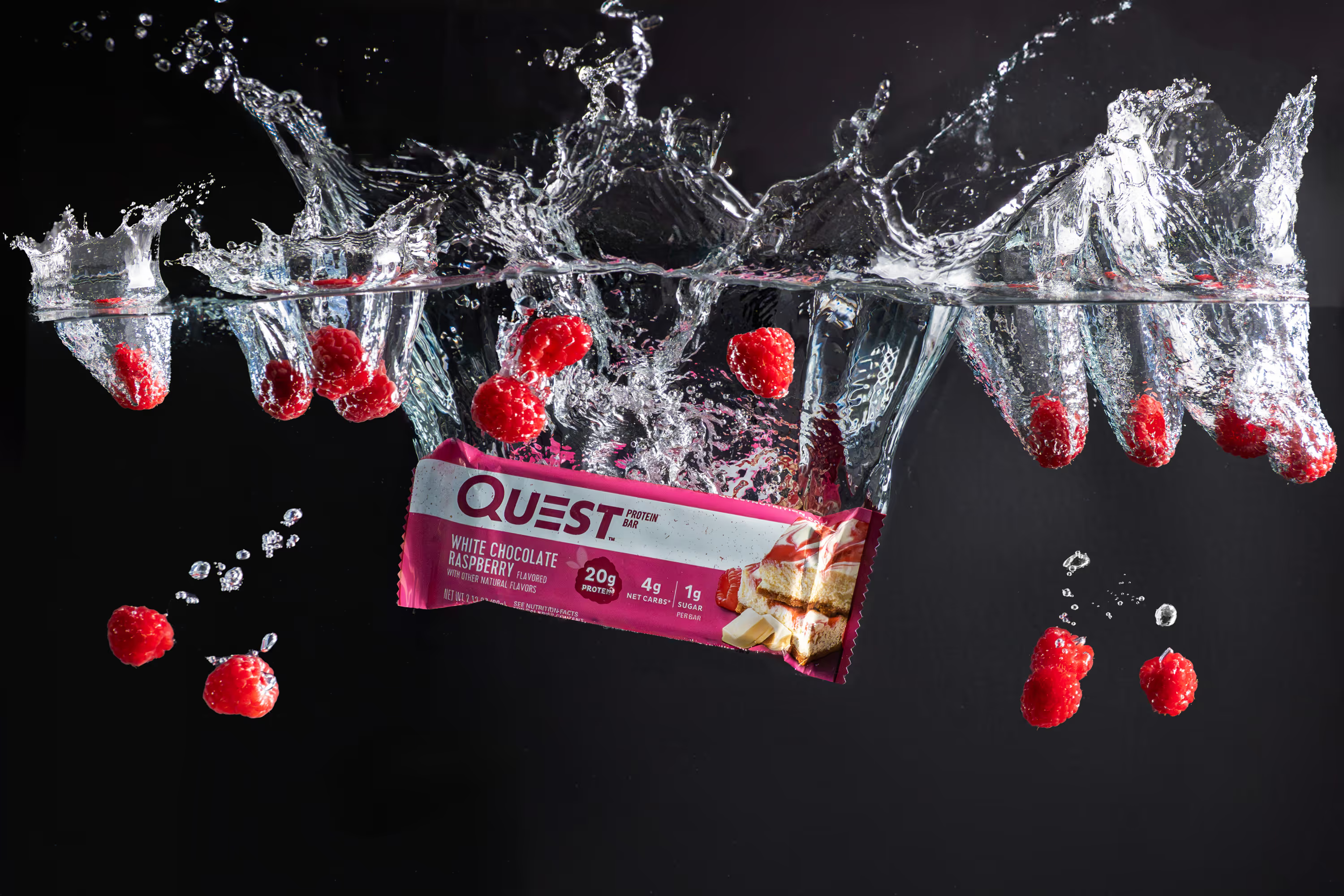
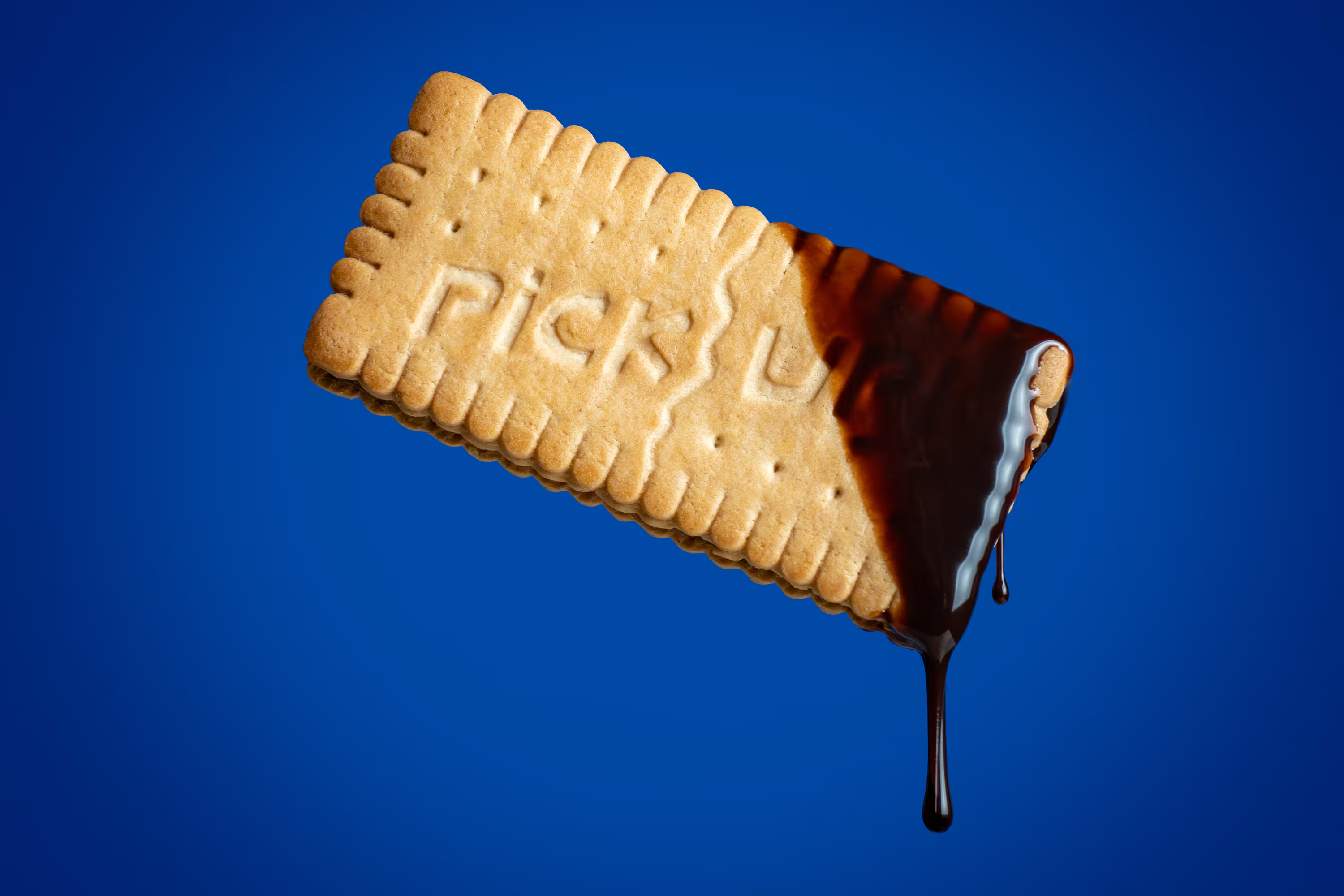
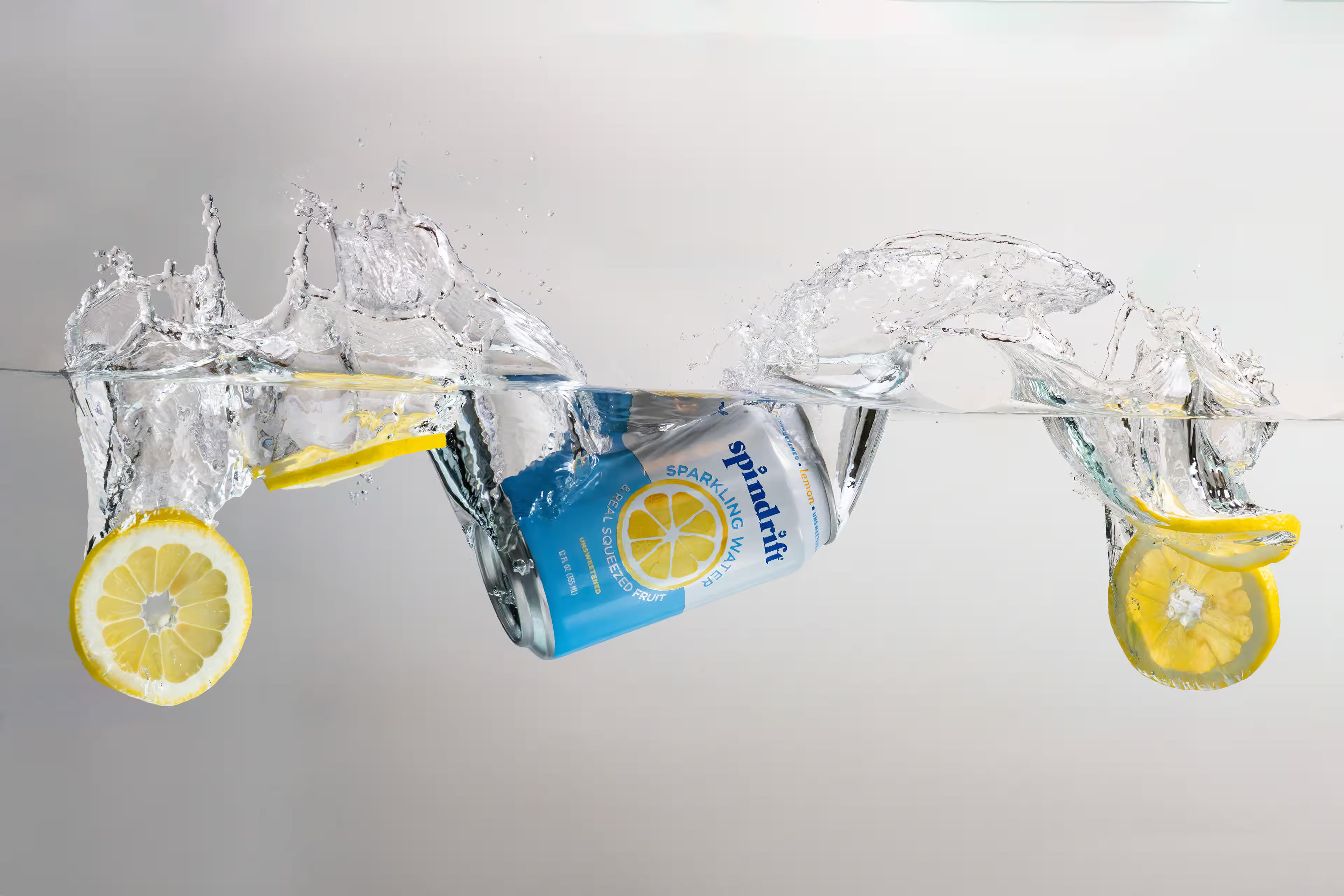
This is where most CPG brands have the biggest gap, and the biggest opportunity. Motion product photography means splashes, pours, mid-air catches, ingredient explosions, and other high-energy freeze-frame moments. These images stop the scroll because the human eye locks onto movement, even implied movement in a still photo.
Picture a pour of oil flowing down the packaging of a body oil product. Or cocoa splashing up around a chocolate bar. These shots carry energy no flat-lay or studio setup will replicate.
On paid social, motion-style images consistently outperform static alternatives. We've seen significant CTR improvements when brands swap standard product shots for motion content in their Meta and TikTok campaigns. The images feel alive, and the energy translates to clicks.
Here's what most photographers won't tell you: motion shots are technical. They require specialized rigging, split-second timing, and heavy cleanup in post. This is the core of what we do at Photos by Lars, and it's the difference-maker for brands wanting to stand out on a crowded shelf or feed.

5. Motion Graphics and GIFs (The Hybrid)
Still photos work for product pages. Video works for storytelling. But there's a sweet spot in between: short motion graphics and GIFs on loop. A product rotating. A label animating. A splash sequence playing on repeat.
These shine in email headers (where video often won't autoplay), on your Shopify product pages as gallery assets, in retargeting ads, and as social content outperforming static images by wide margins. Research from Emodo and Digiday found animated ad formats outperformed static ads in both time spent and brand recall.
Brands using GIFs and cinemagraphs (still photos with one small moving element) stand out because so few competitors bother. It's a wide-open lane. And because we handle these as part of our full production process with 3 to 5 day delivery, you get the content without adding another vendor or workflow to your plate.
How Do You Plan a Shoot Covering All Five Product Photo Types?
You don't need five separate shoots. A well-planned session covers all five types in one day.
The key is pre-production. Before we touch a camera, we map every photo type to your specific channels, campaigns, and launch calendar. Your clean shots, lifestyle setups, hero compositions, motion sequences, and GIF content all come out of one efficient session. We take care of the heavy lifting so you're free to focus on your launch.
Here's a practical approach: start with your highest-traffic touchpoints. If most of your revenue comes from your DTC site, prioritize clean product shots and hero images first. If paid social is your growth channel, lead with motion content and lifestyle shots. Then fill in the gaps during your next session.
Think of your photo library as an investment portfolio. You need a diversified mix of product photo types working across different channels. The brands growing fastest treat their visual library as a system, not a one-time expense.
Common Questions
How Many Photos Should I Get Per Product for a Full Library?
Aim for at least 8-12 images per SKU across all five types. As your brand grows and you're driving more traffic to your site, you'll want to refresh those images and add variety. We build custom shot lists for every project so nothing falls through.
Do I Need Motion Product Photos if I Already Have Video?
Yes, and they serve different roles. Video tells a story over time. Motion photography freezes a single high-energy moment in a still frame working everywhere video doesn't: email, print, Amazon listings, retargeting banners. Motion shots load faster and require no play button.
What if My Budget Only Allows One Type of Shoot Right Now?
Start with clean product shots. They're the foundation everything else builds on, and they'll improve your conversion rate fastest. Add motion or lifestyle shots in your next session. We offer packages starting at $490 designed for brands building their library over time.
How Fast Will I Get My Photos Back?
We deliver final, edited images within 3 to 5 days depending on scope. Most standard product shoots land in your inbox within a week. No months-long timelines. No chasing your photographer for updates.
Want to see where your brand's visual library stands right now? We put together a free Brand Visual Scorecard grading your current photos across the categories driving conversions. Takes two minutes, and you'll know exactly which product photo types to prioritize first.