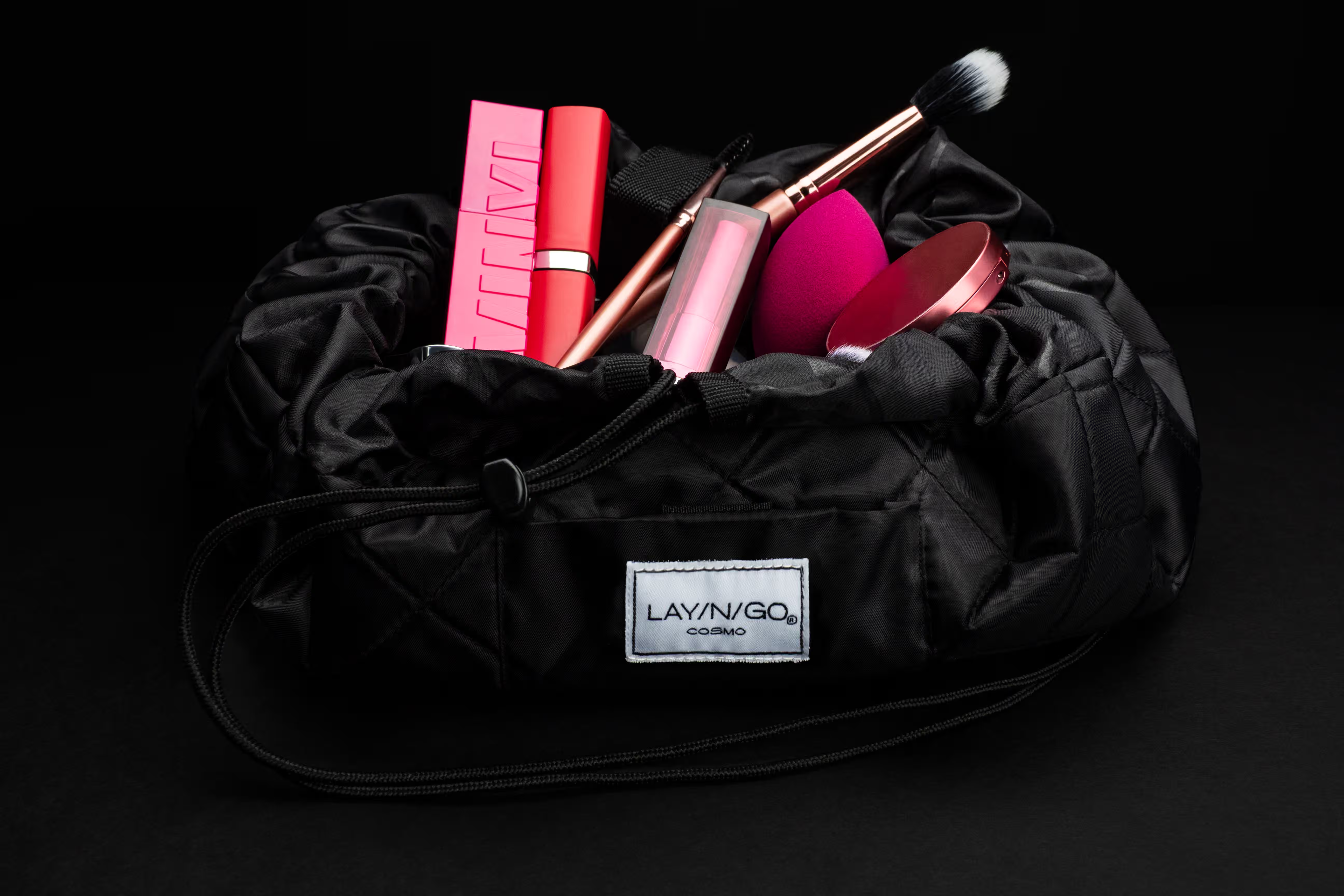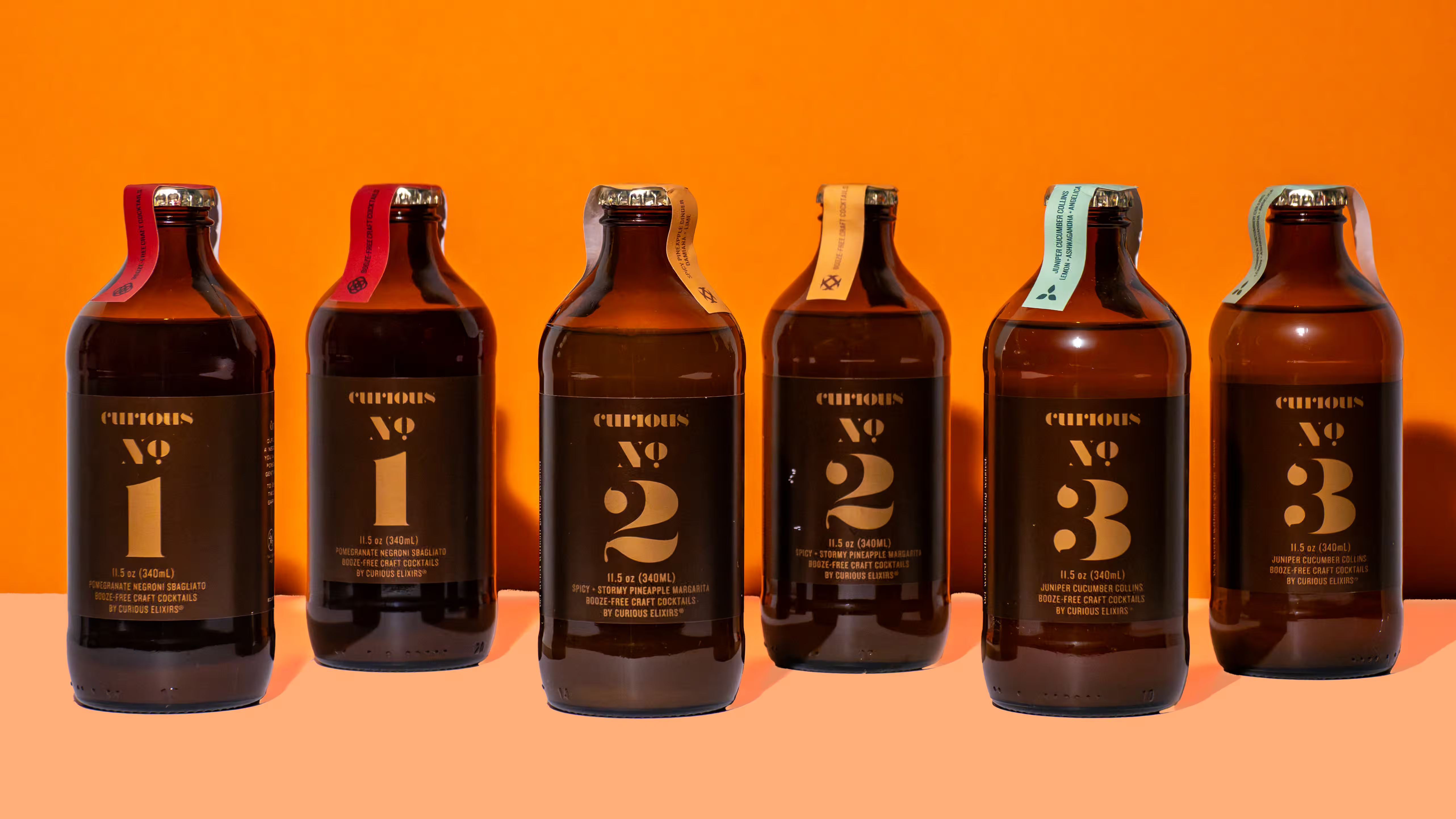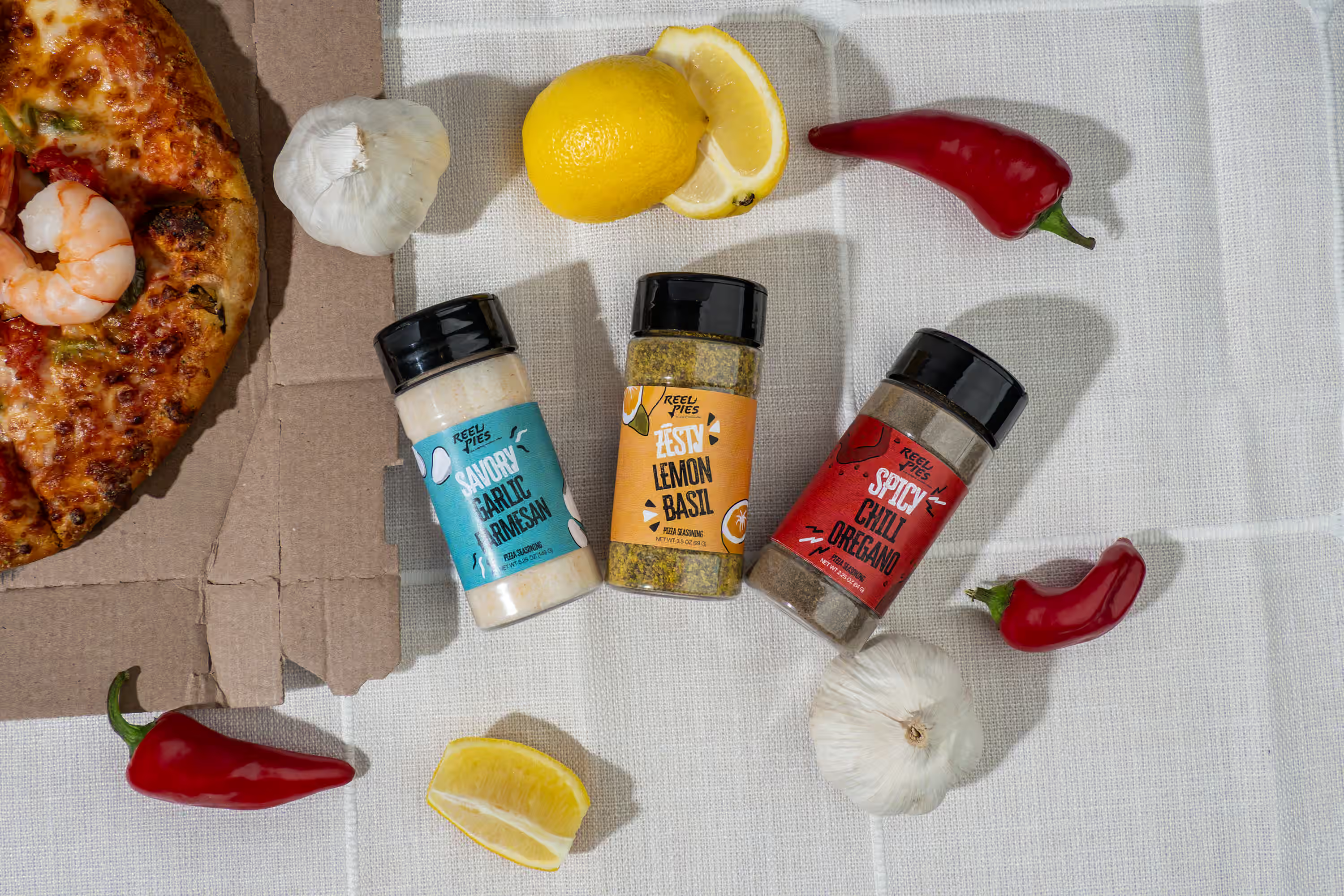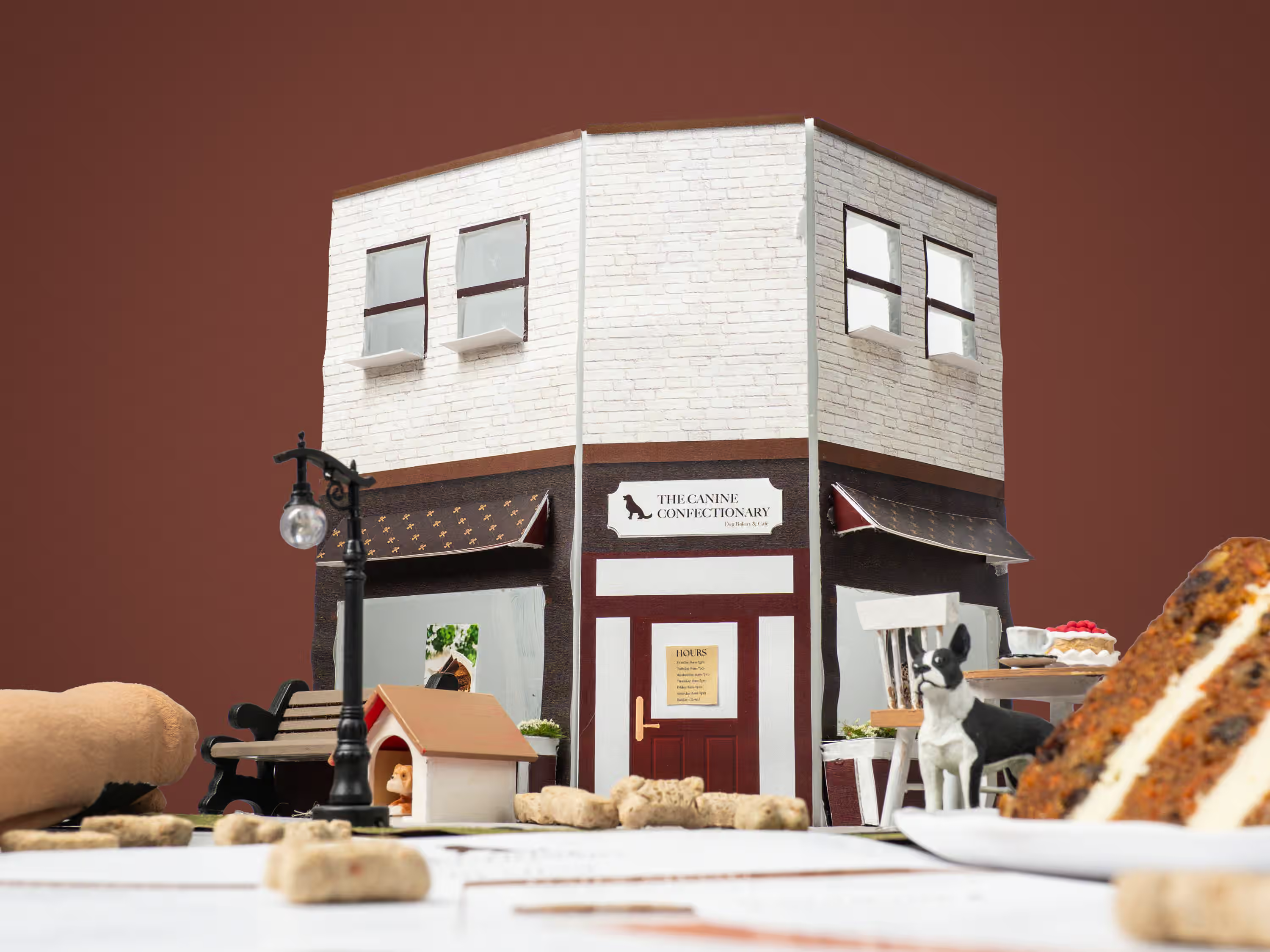

Every product photo you own falls into one of three categories: white background, studio, or lifestyle. Each one serves a different purpose, works on different platforms, and hits your customer at a different stage of the buying process. Understanding white background vs lifestyle product photography, and where studio fits in between, is one of the most practical decisions you'll make for your visual strategy.
The challenge for most food and beverage brands isn't getting good photos. It's knowing which style belongs where, and which one to invest in first. White background images are the foundation everything else builds on. Studio shots bring your brand to life on your website. And lifestyle content drives engagement on social. But when they end up in the wrong places, even strong visuals underperform.
Here's how we think about it at Photos by Lars, and how we help brands build a visual library with purpose behind every image.
Why Are White Background Photos the Foundation of Everything?
White background shots are the least exciting photos you'll ever see in your content library. They're also the most important.
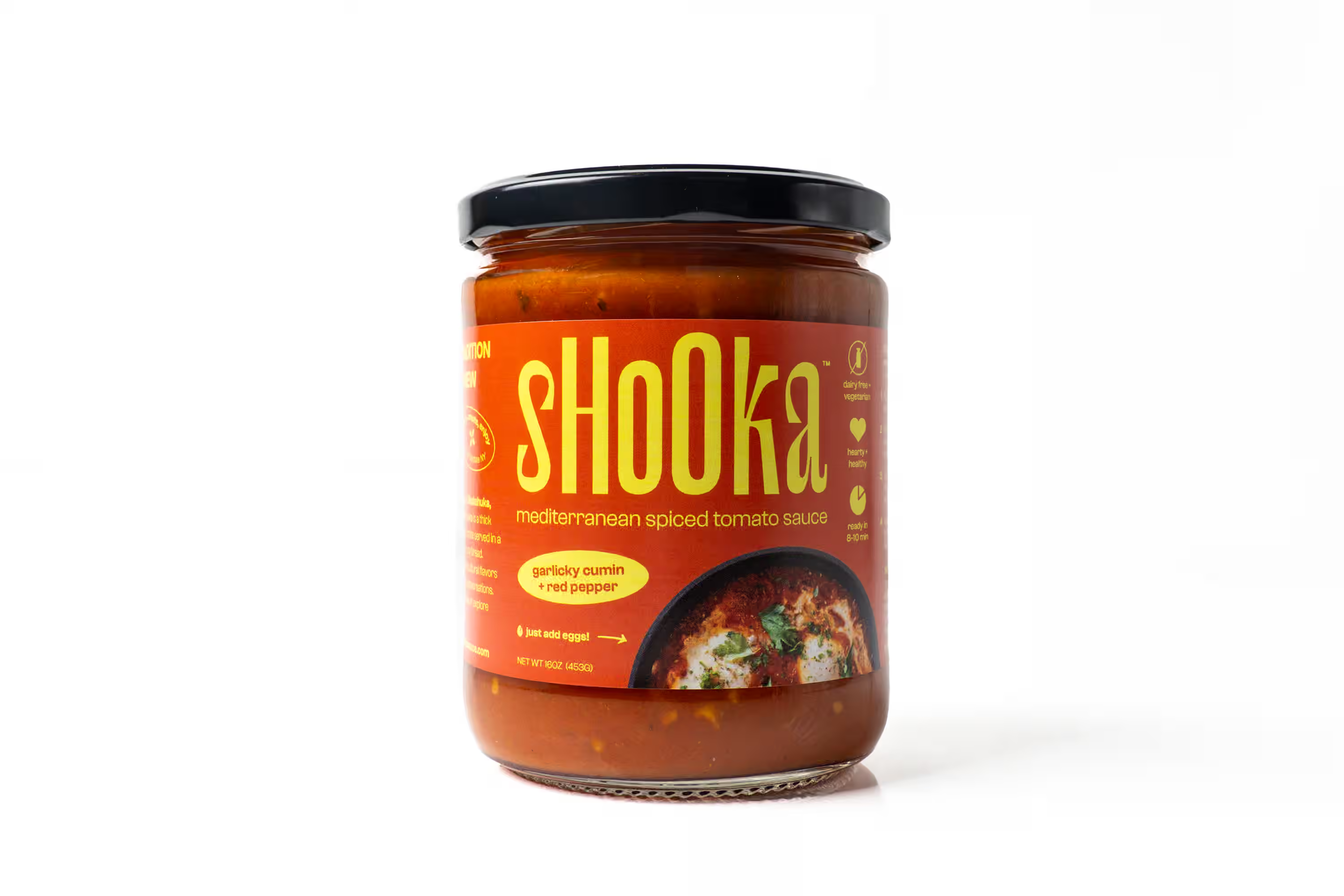
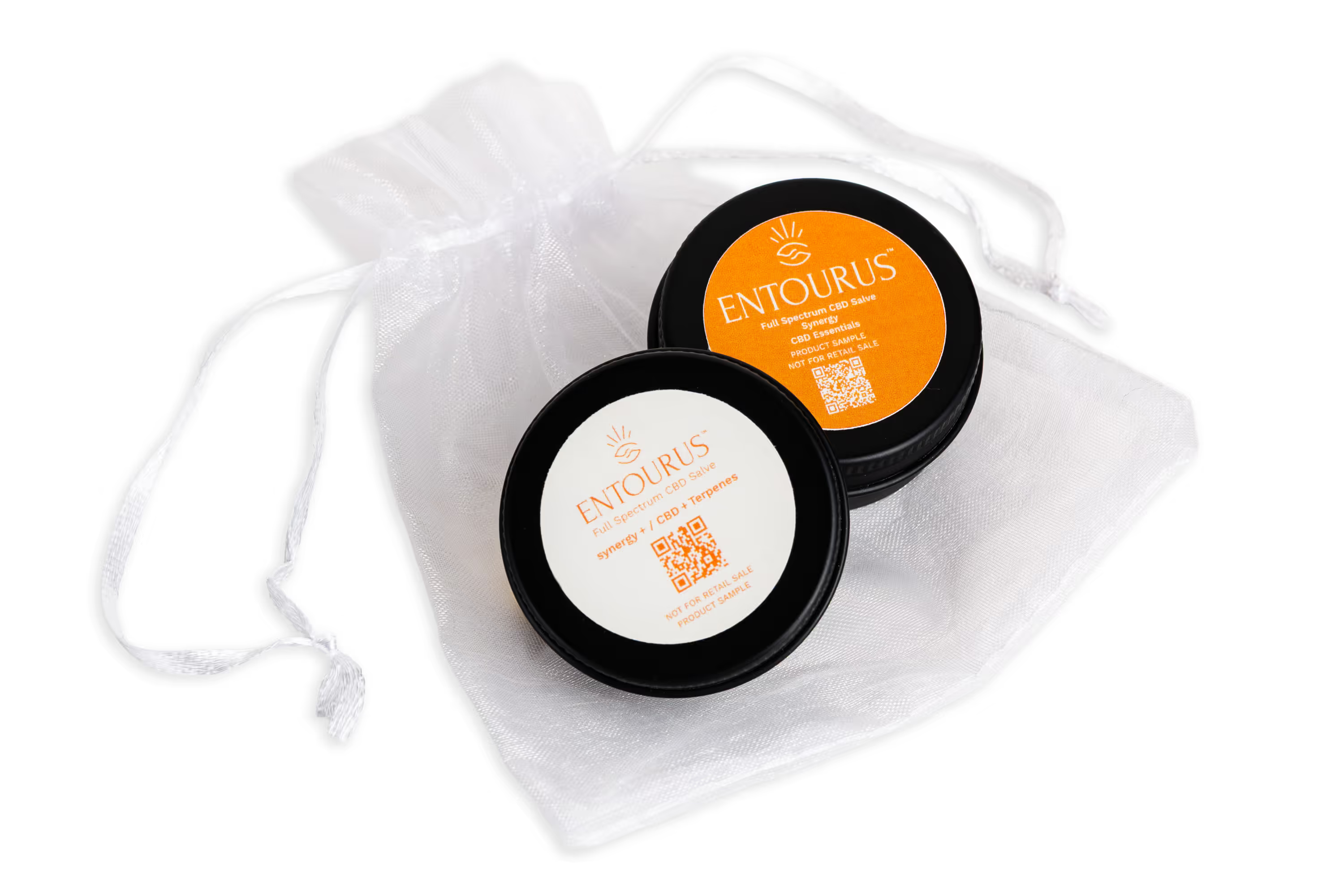
These are clean, distraction-free images of your product on a pure white backdrop. No props, no scenery, no styling. They exist for one reason: to show your customer exactly what they're buying.
Amazon requires white background images as the main listing photo. Retailers like Target and Whole Foods need them for planograms (the shelf layout diagrams retailers use to plan product placement) and sell sheets. Your own product detail pages (PDPs) need them so shoppers see the label, the size, the flavor, and the packaging without anything getting in the way.
Here's the rule: if your white background photos are weak, nothing else matters. The most beautiful lifestyle content in the world won't save a PDP hero image with bad lighting, off color, or a cluttered background. You're losing conversions before anyone scrolls down.
While they work in many of these places, white background shots don't belong on your homepage or social feeds. They look clinical there, and rightfully so. Their job is to inform, not to inspire.
If you're starting from scratch or working with a tight budget, white background shots are where every dollar should go first. Get these right, and you've built the base your entire visual system sits on.

Where Do Lifestyle Photos Perform Best?
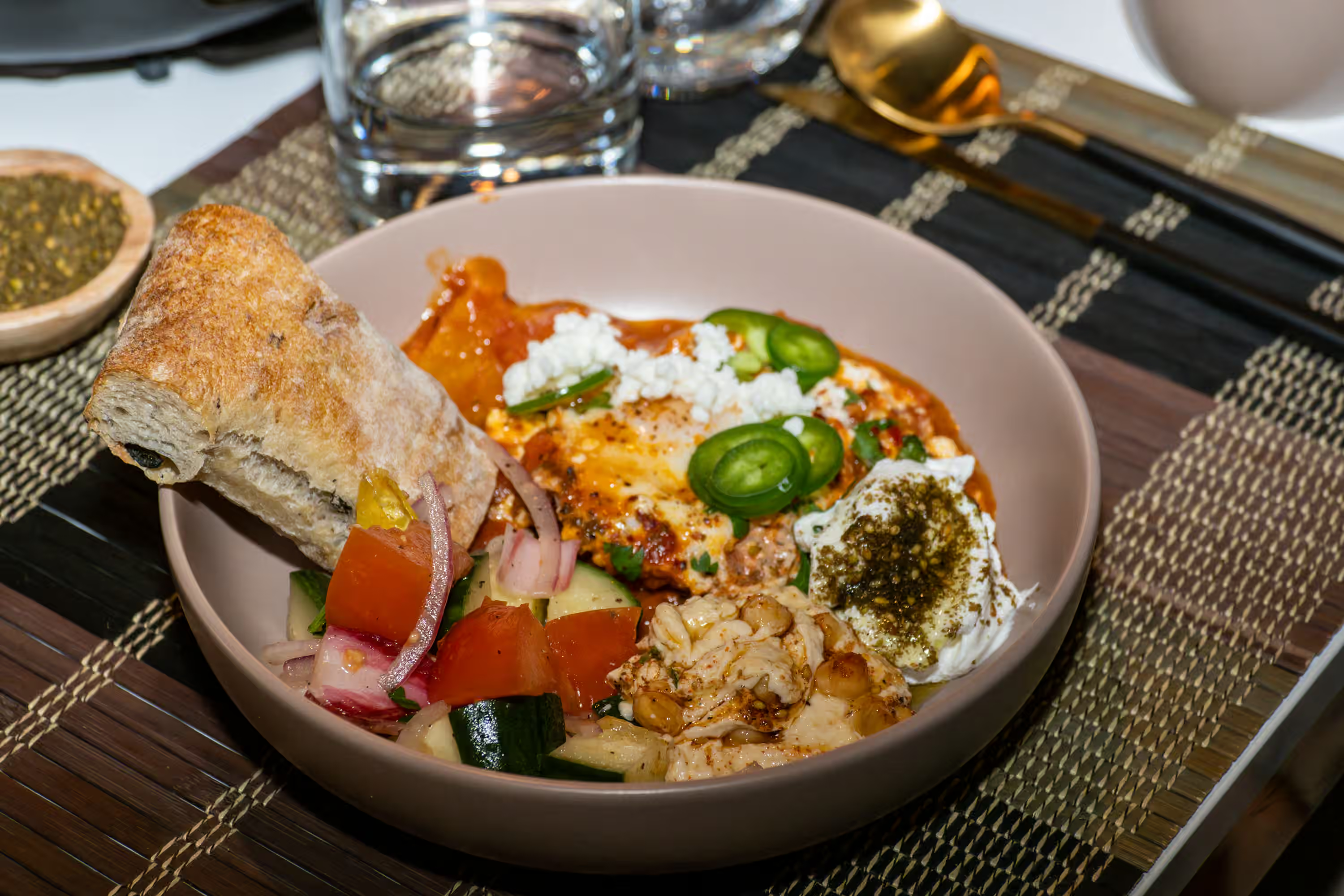
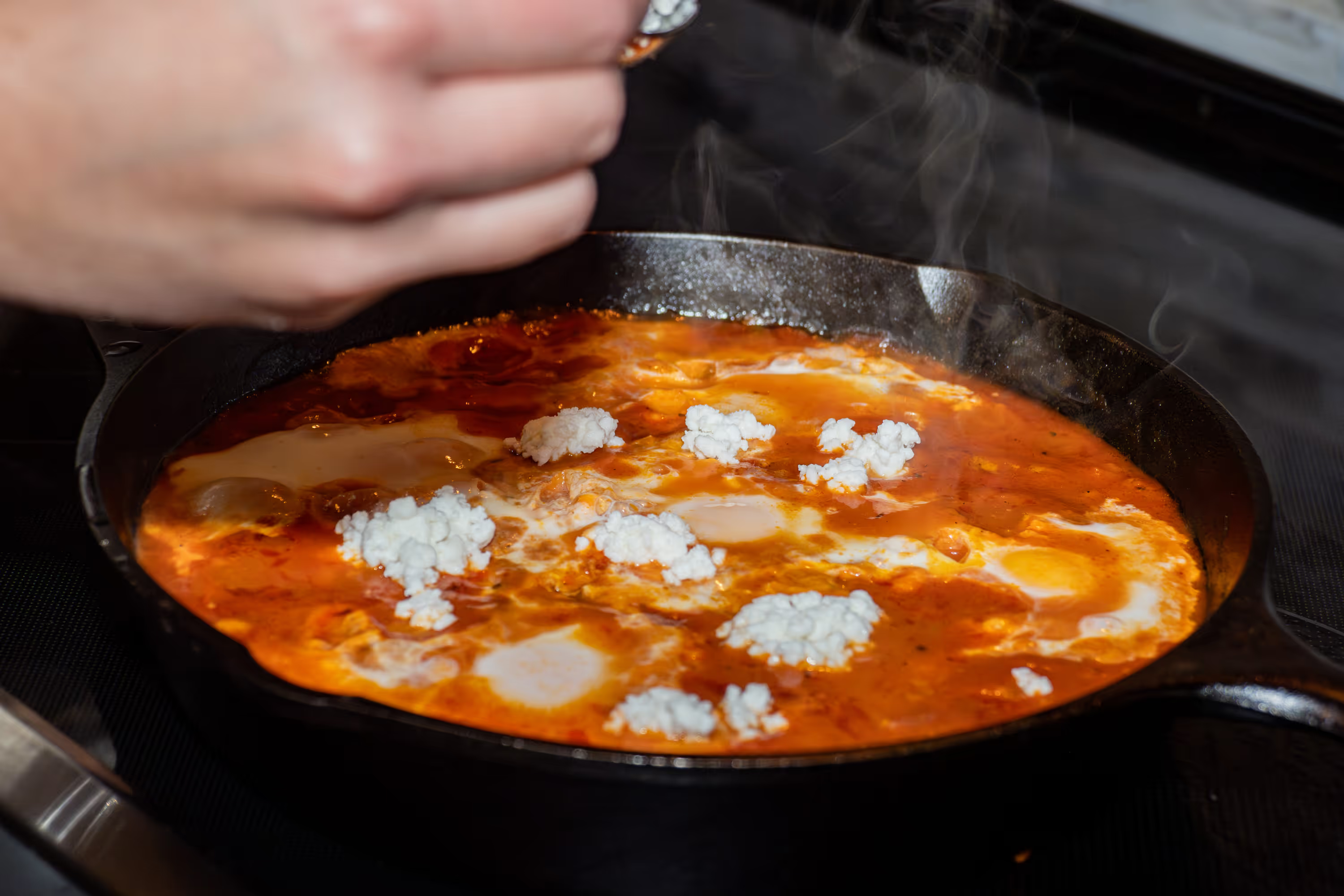
Lifestyle photos show your product in context. Picture a sparkling water on a picnic blanket, or hot sauce drizzled over a sizzling taco. They answer the question "what does it feel like to use this product?"
These images thrive on platforms where people scroll fast and make emotional decisions. Instagram, TikTok, Facebook ads, Pinterest, and your homepage are all lifestyle territory. A Shopify product photography guide found contextual product images help shoppers picture themselves using a product, which drives higher engagement and lower bounce rates.
Lifestyle photos also work well on landing pages for campaigns. When someone lands on your site from a social ad, they want to feel something. A white background shot won't create the connection they need to click "add to cart."
The more casual and phone-shot lifestyle content feels, the better it performs on social feeds. People scroll past polished ads. They stop for posts with the look and feel of their own feed. Brands running this kind of creative in paid social see up to 50% lower cost-per-click compared to traditional branded ads.
The key rule: lifestyle photos don't replace white background on your PDPs. Use lifestyle as supporting images on product pages (slots 3-7 on Amazon, for example) and as the primary visual on social and top-of-funnel content. Knowing when to use each type of ecommerce product photo is the difference between a visual library and a visual strategy. And getting the white background vs lifestyle product photography balance right is the first step.

What About Studio Shots? How Are They Different from Lifestyle?
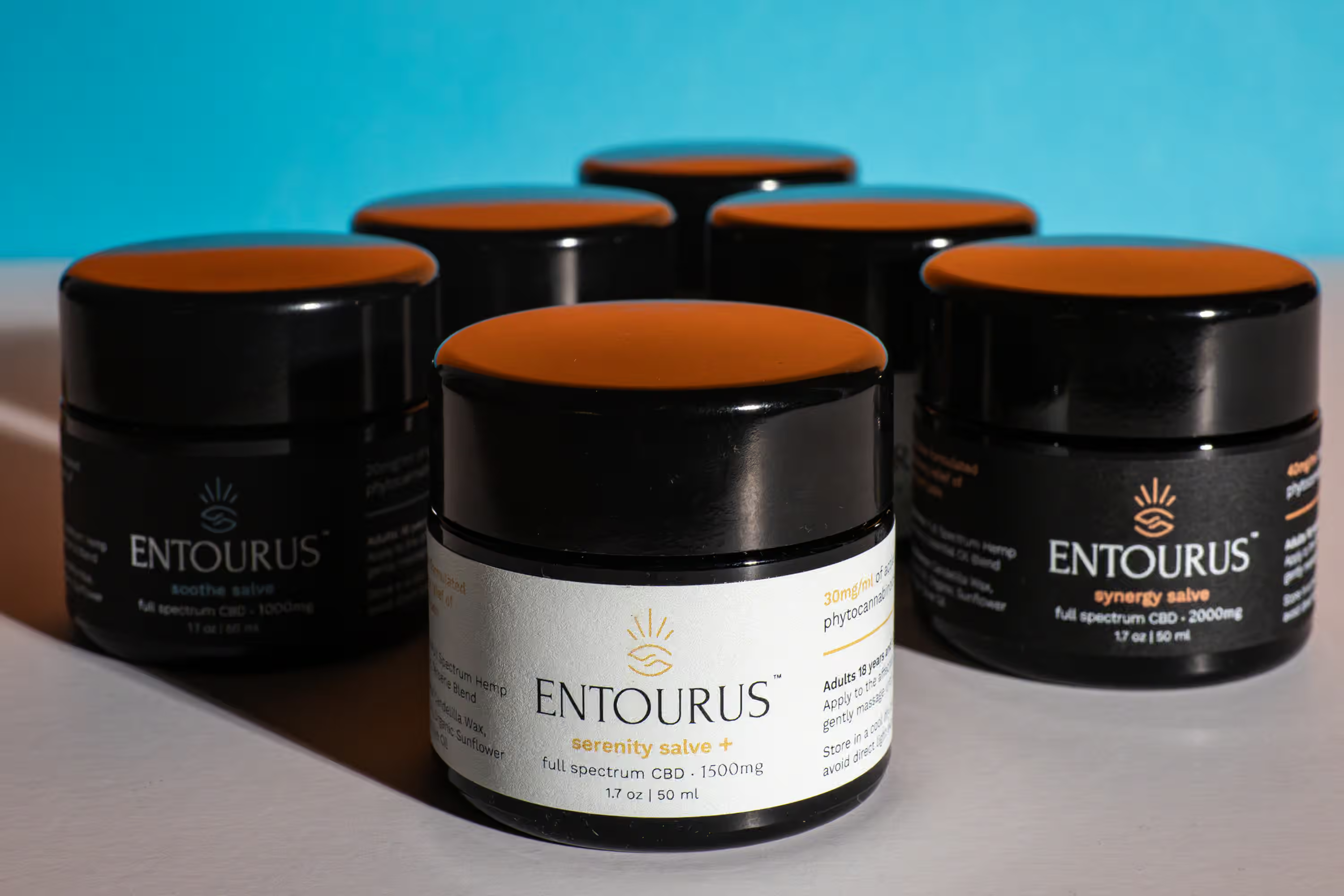
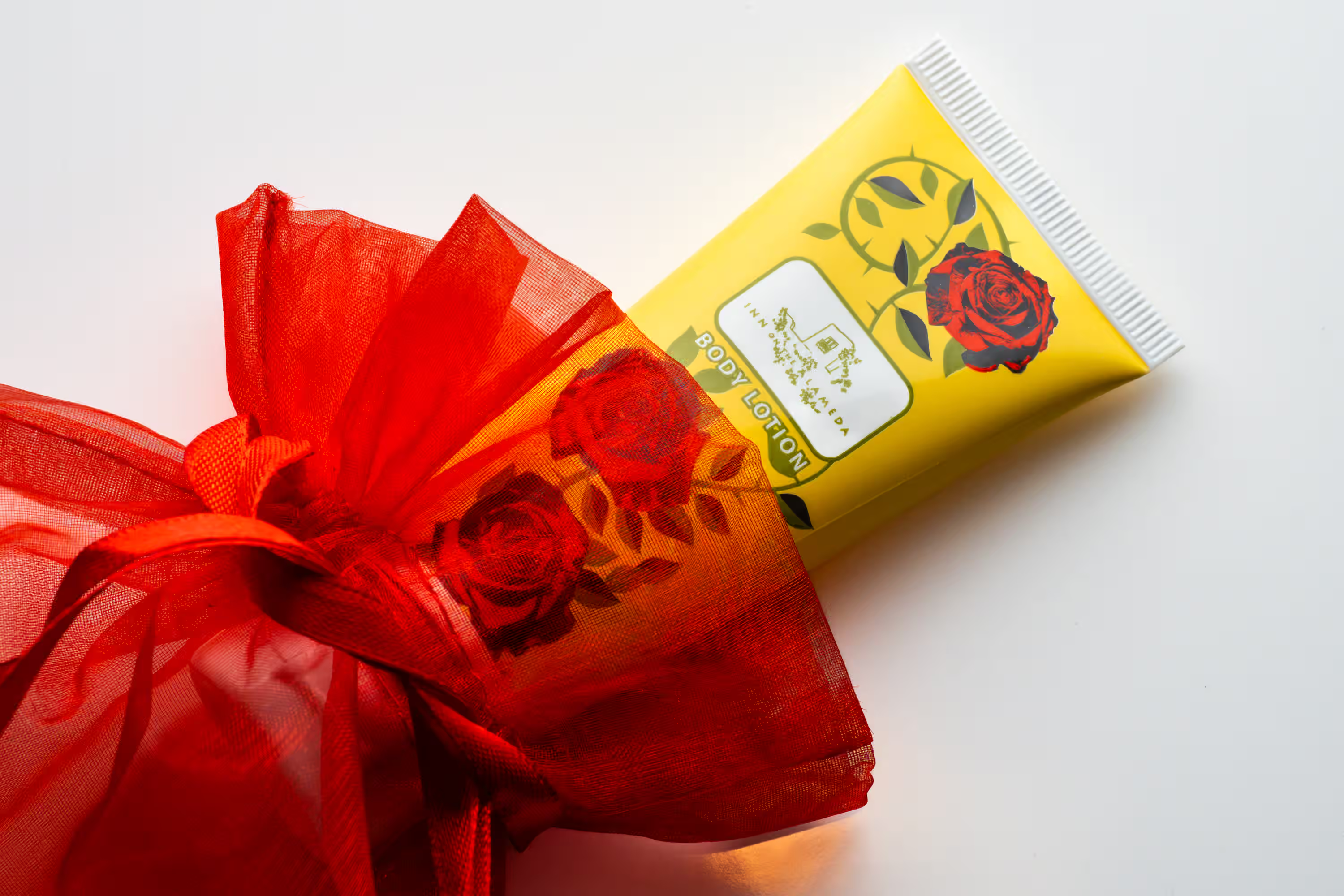
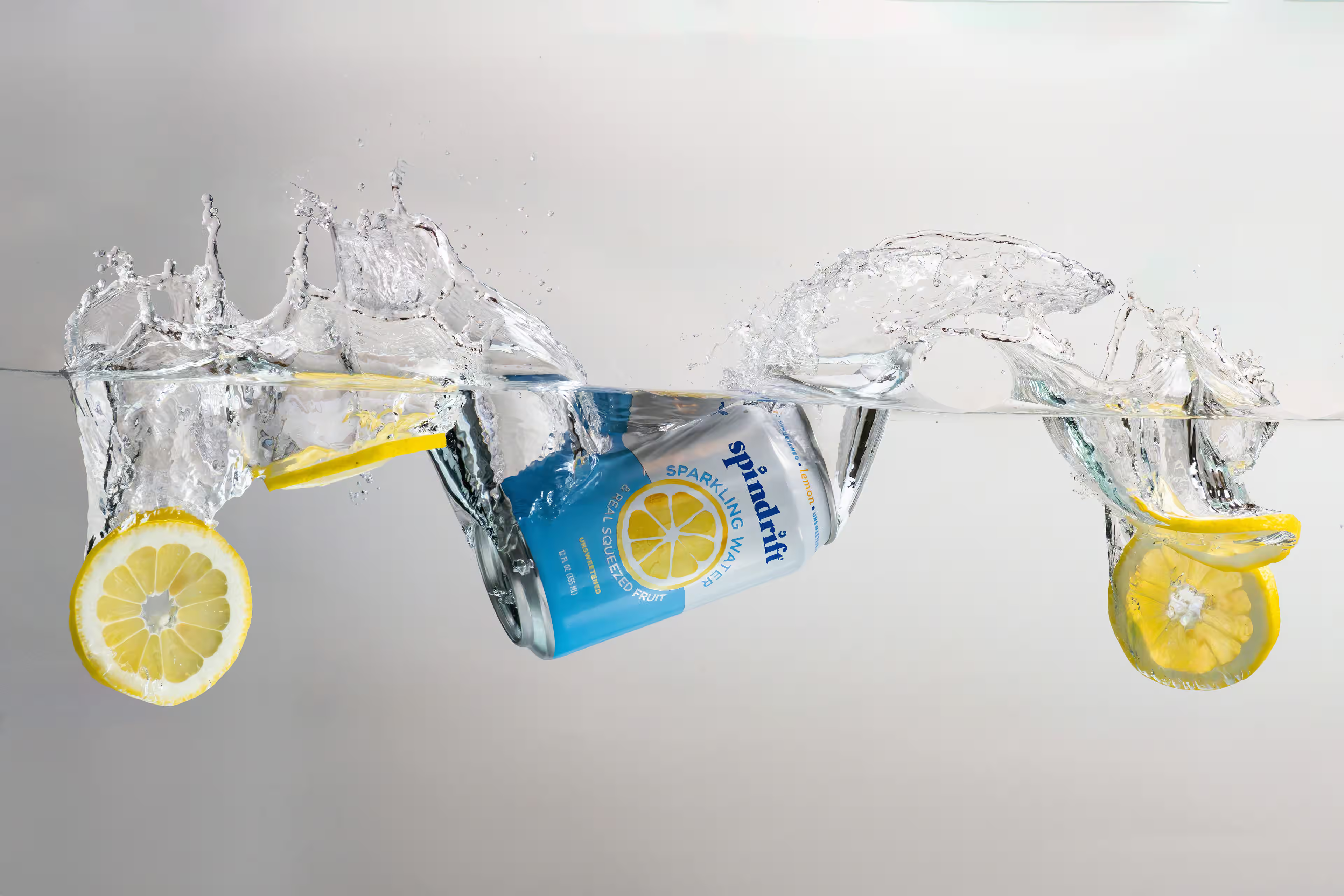
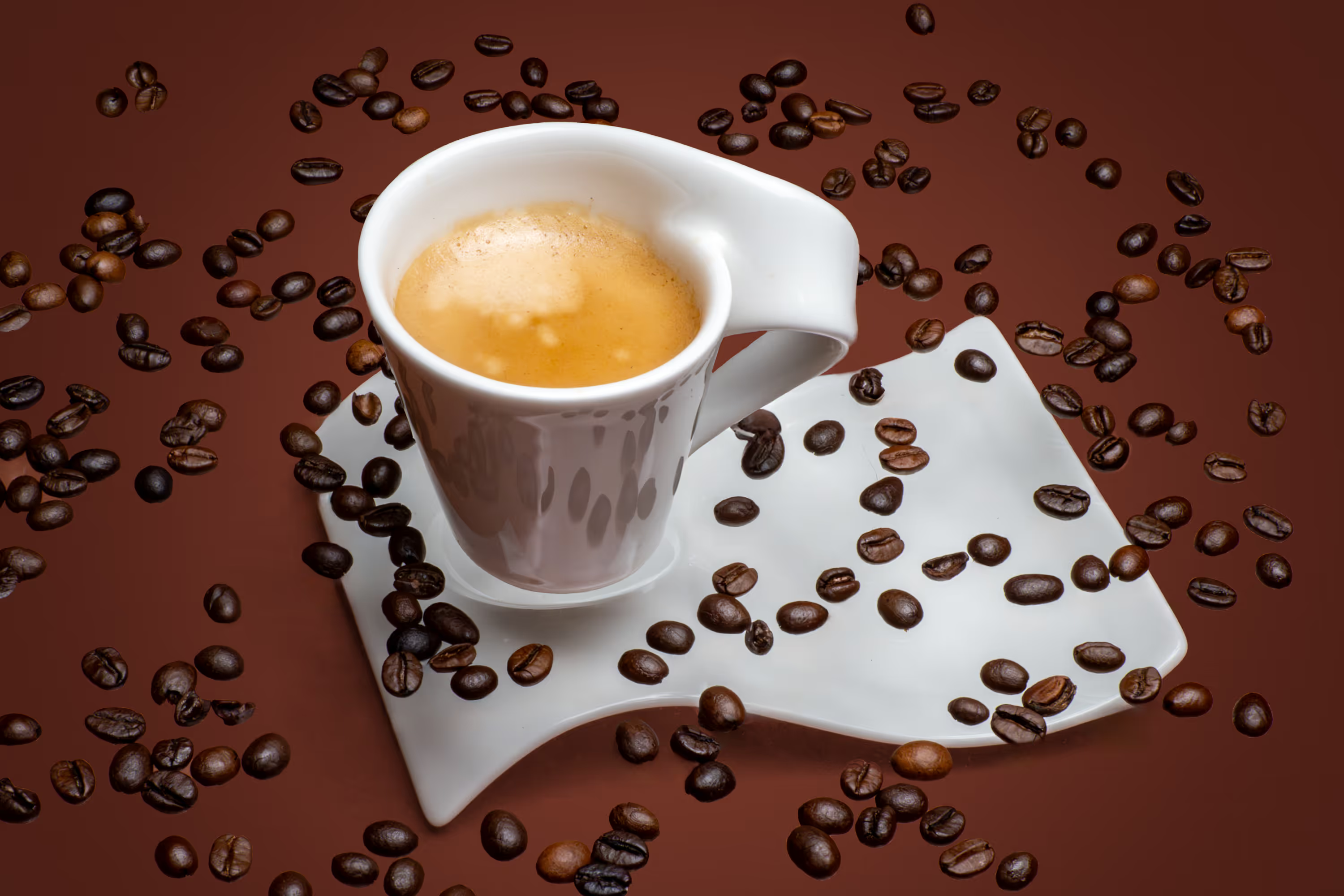
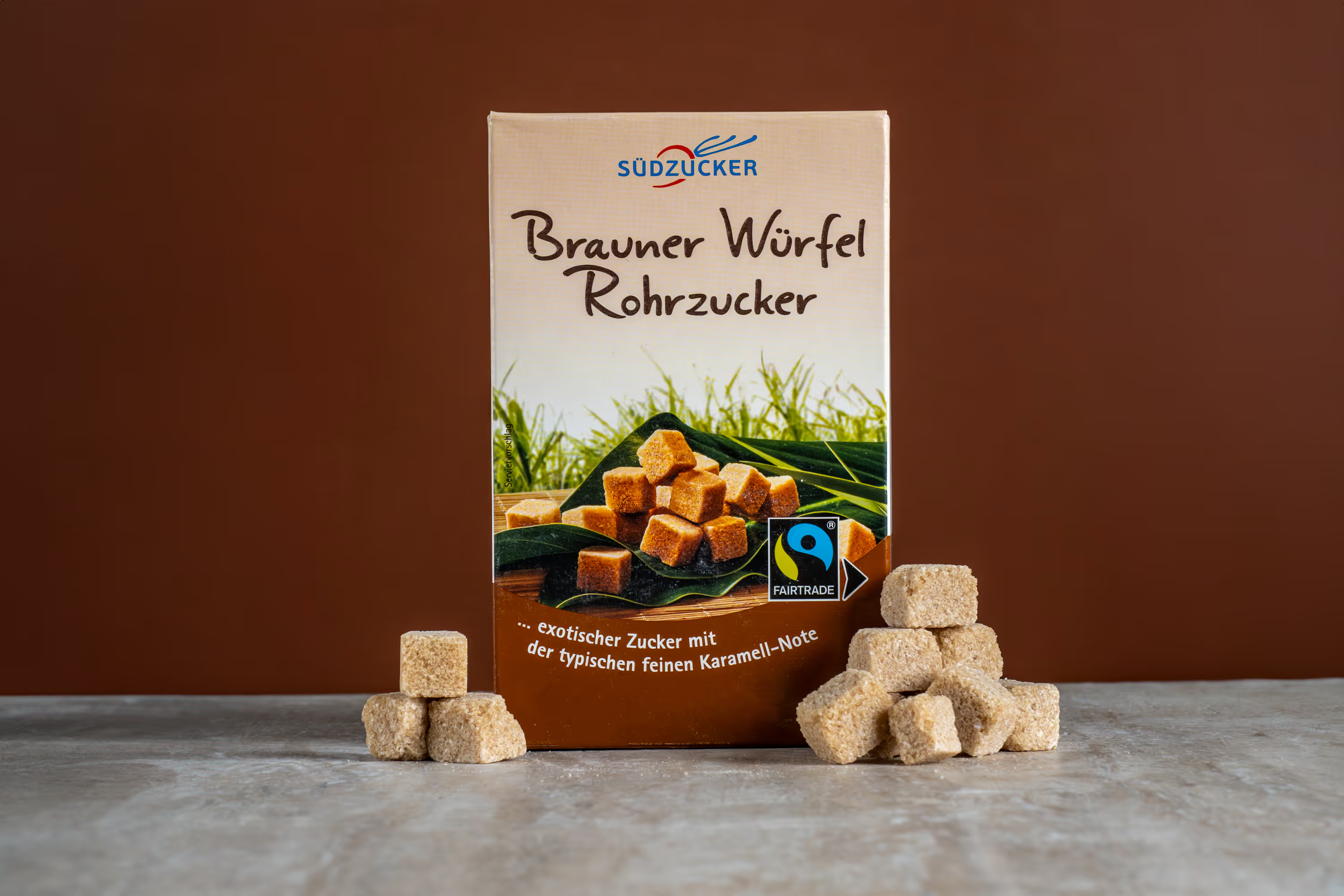
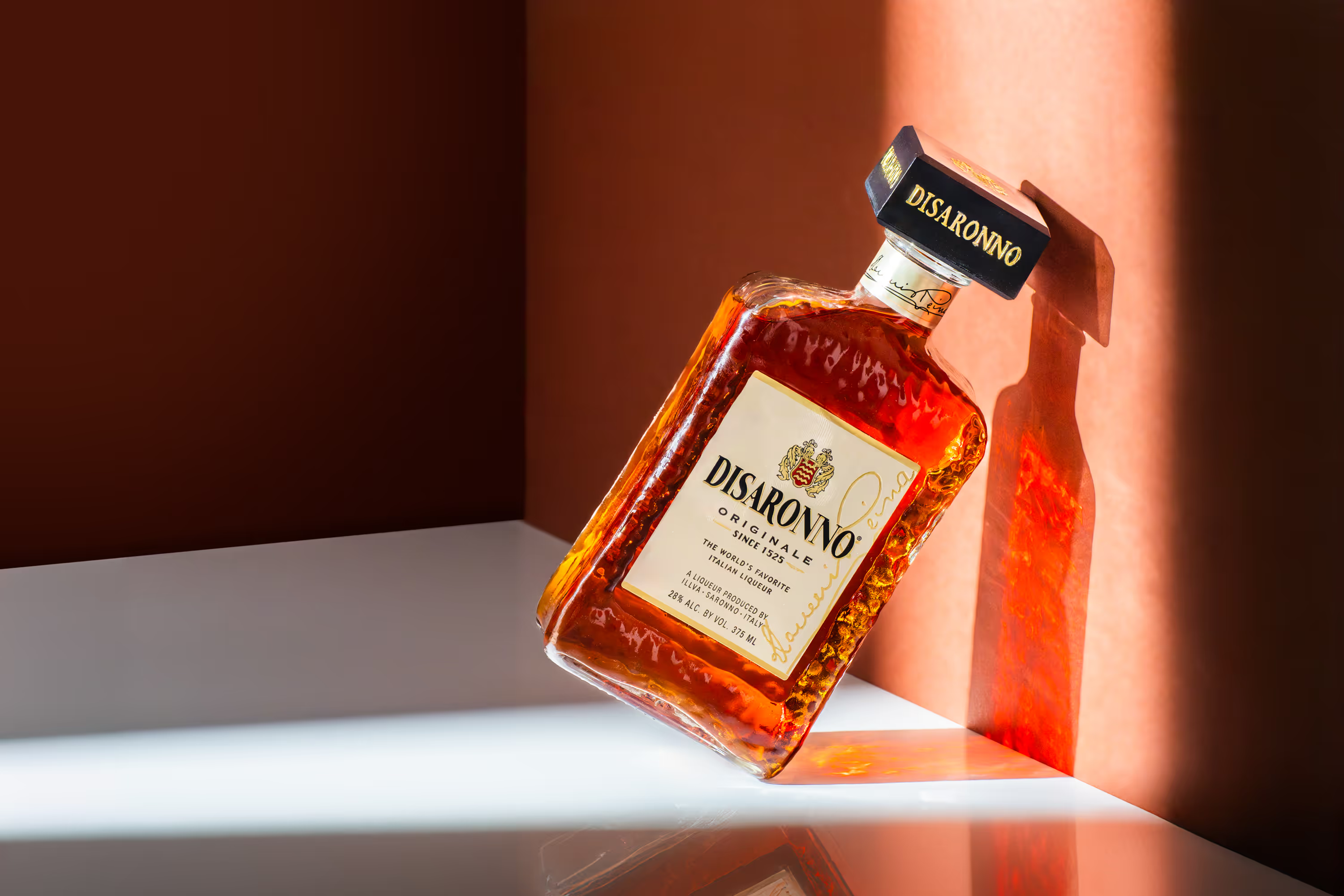
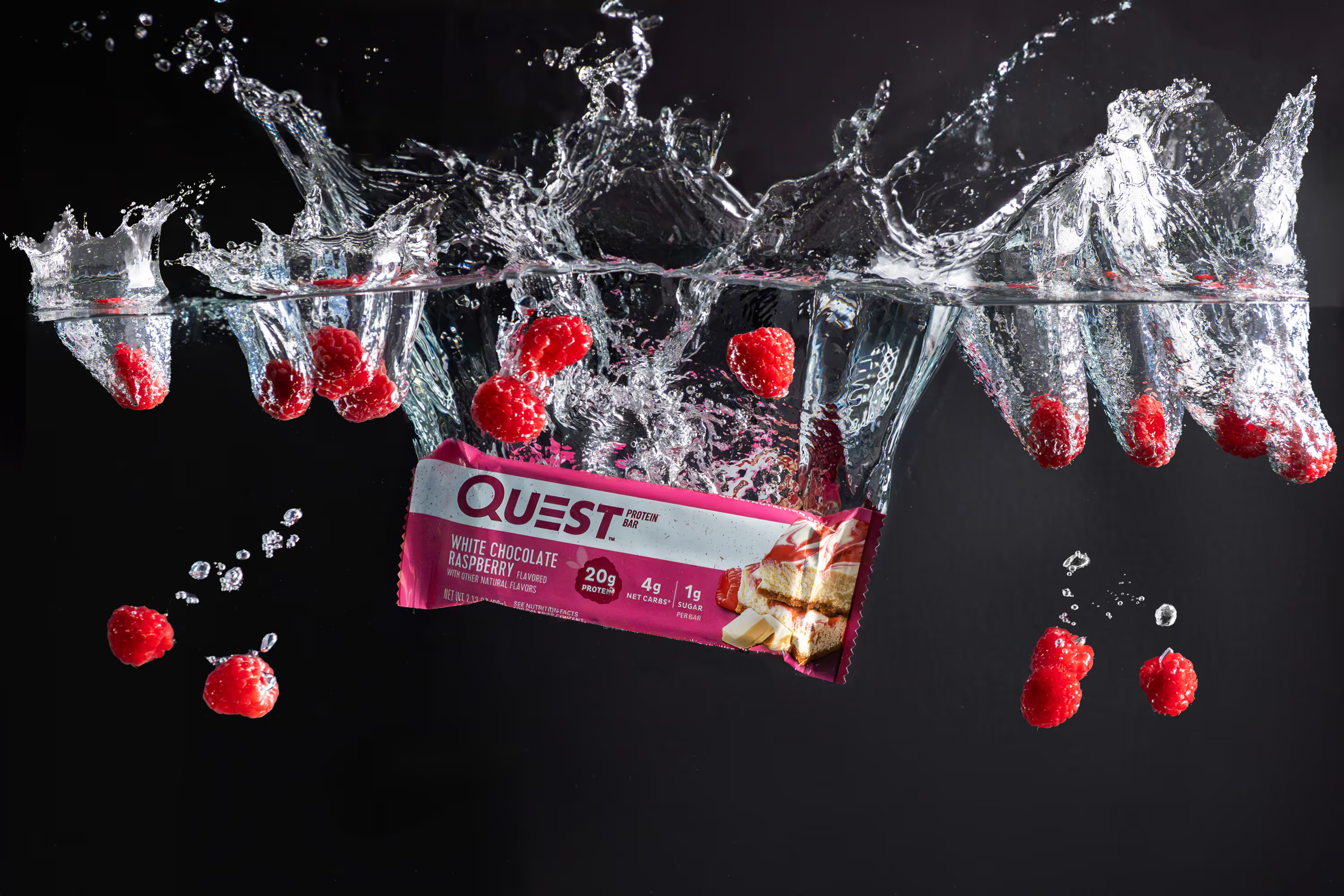
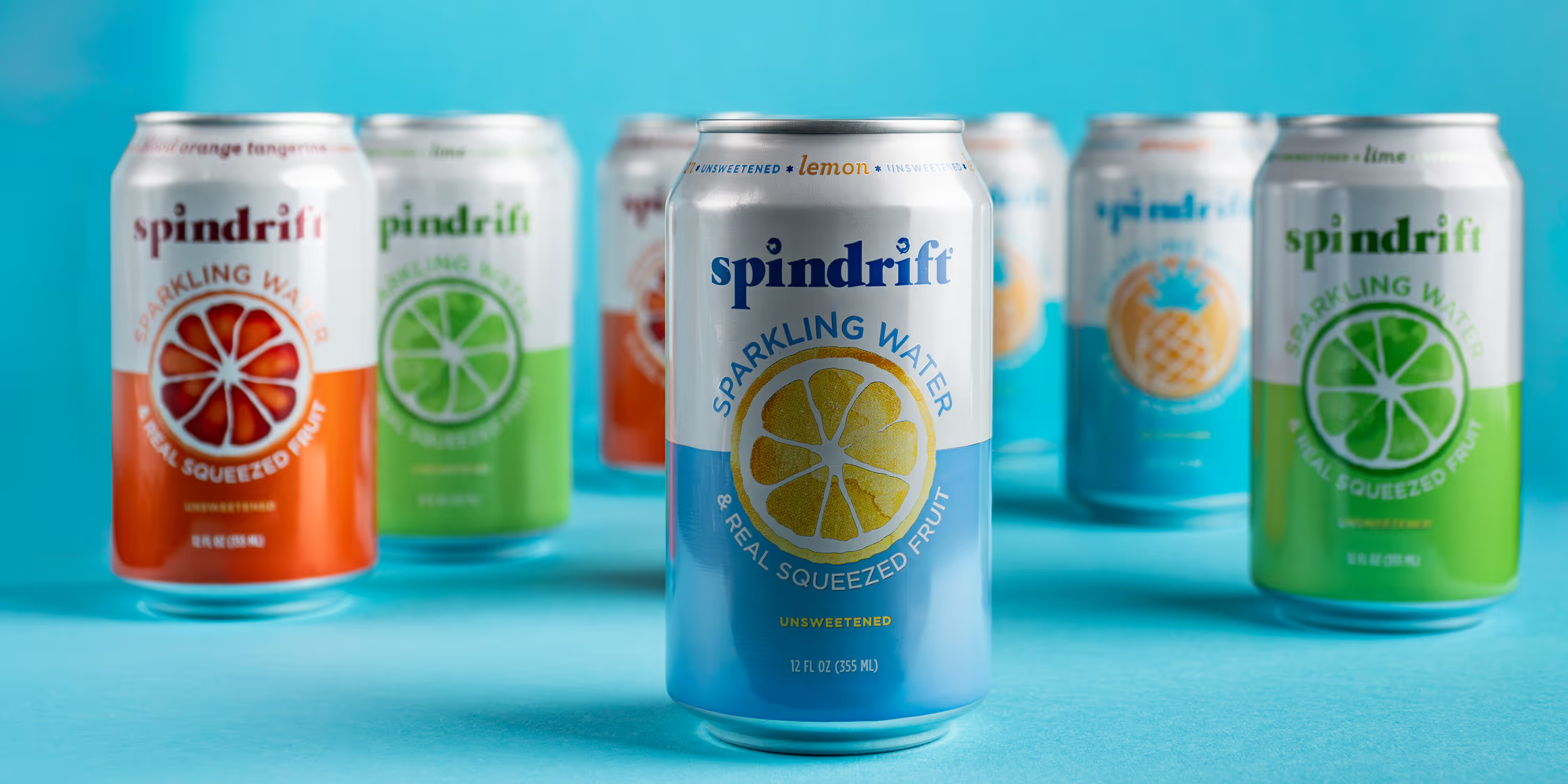
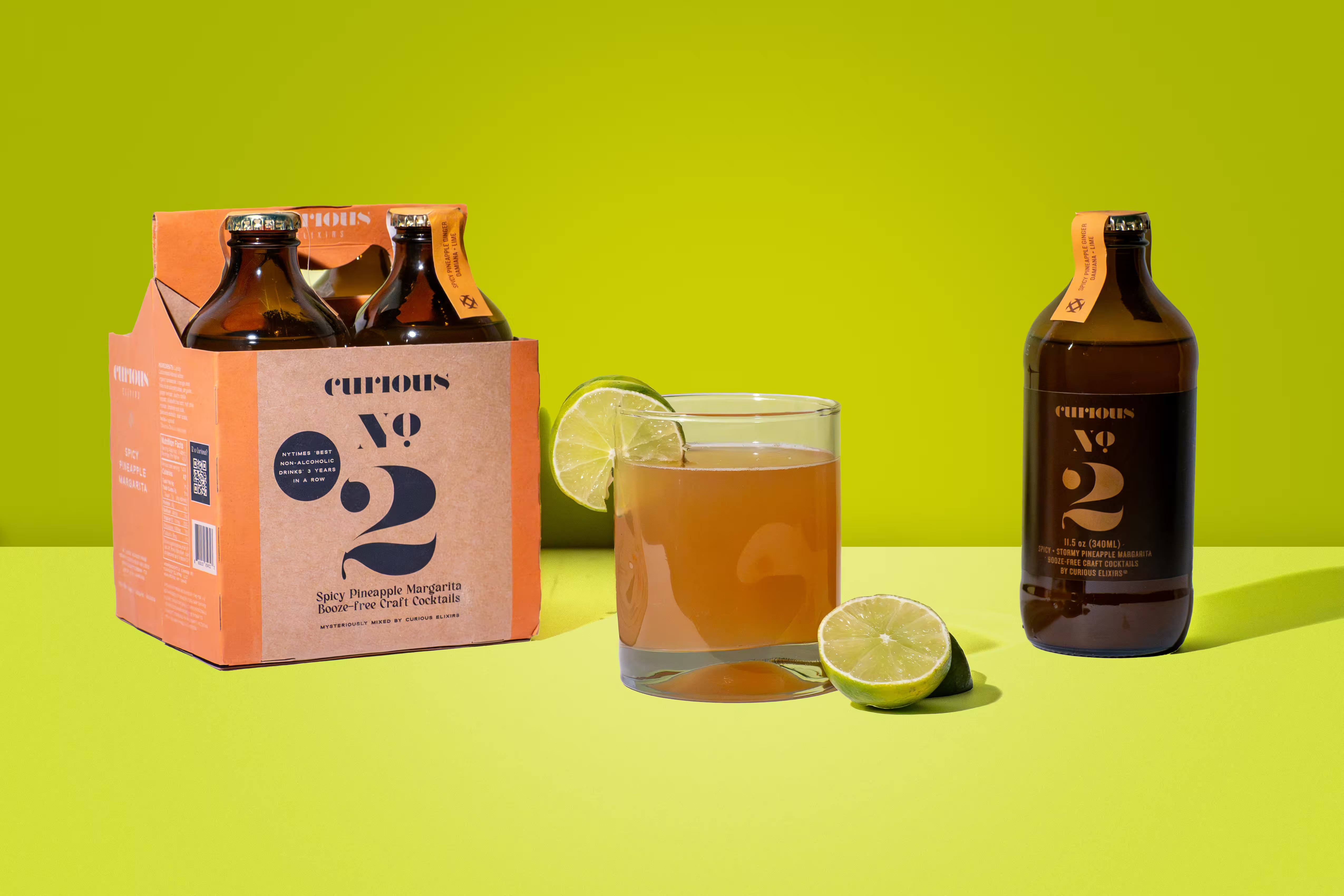
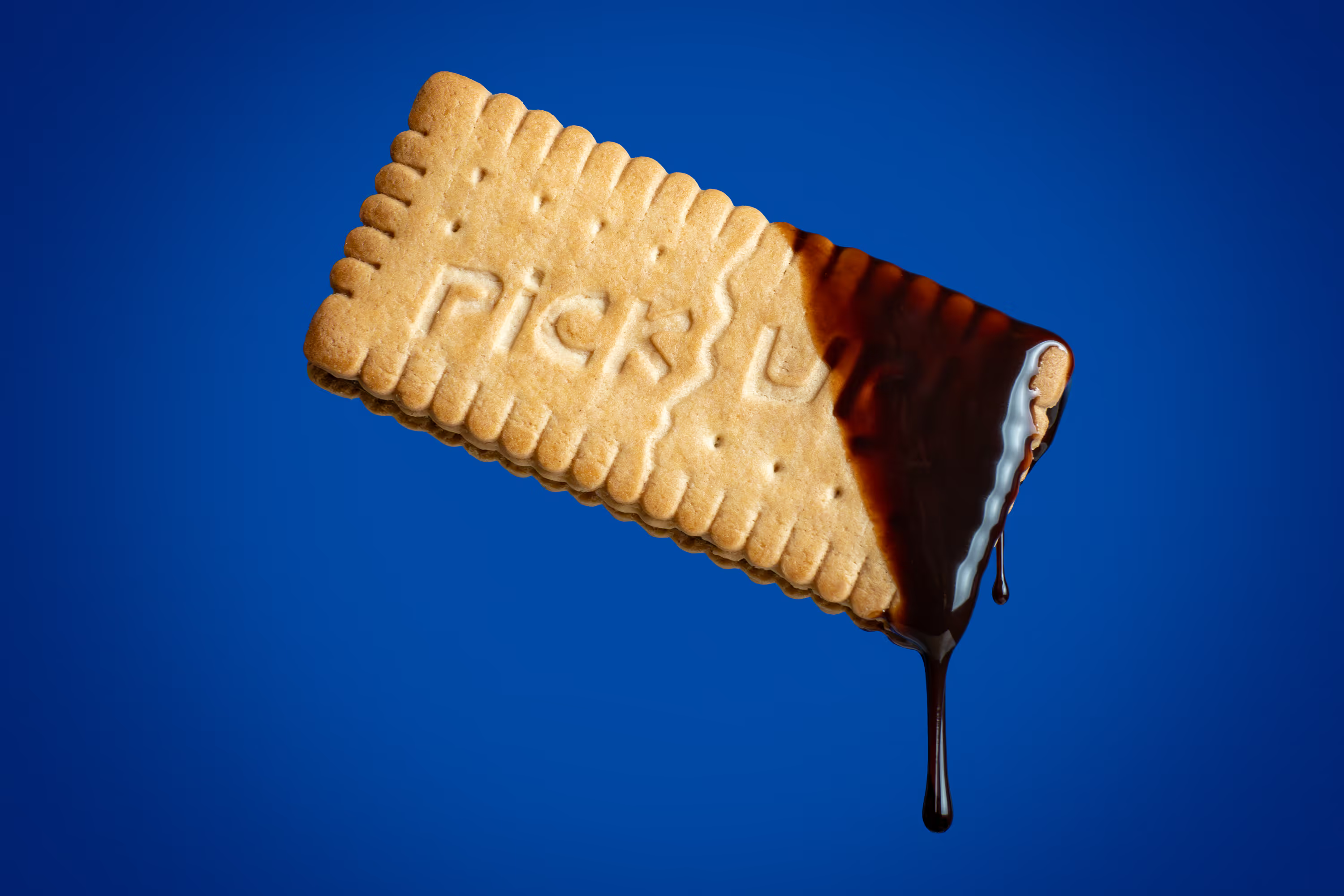
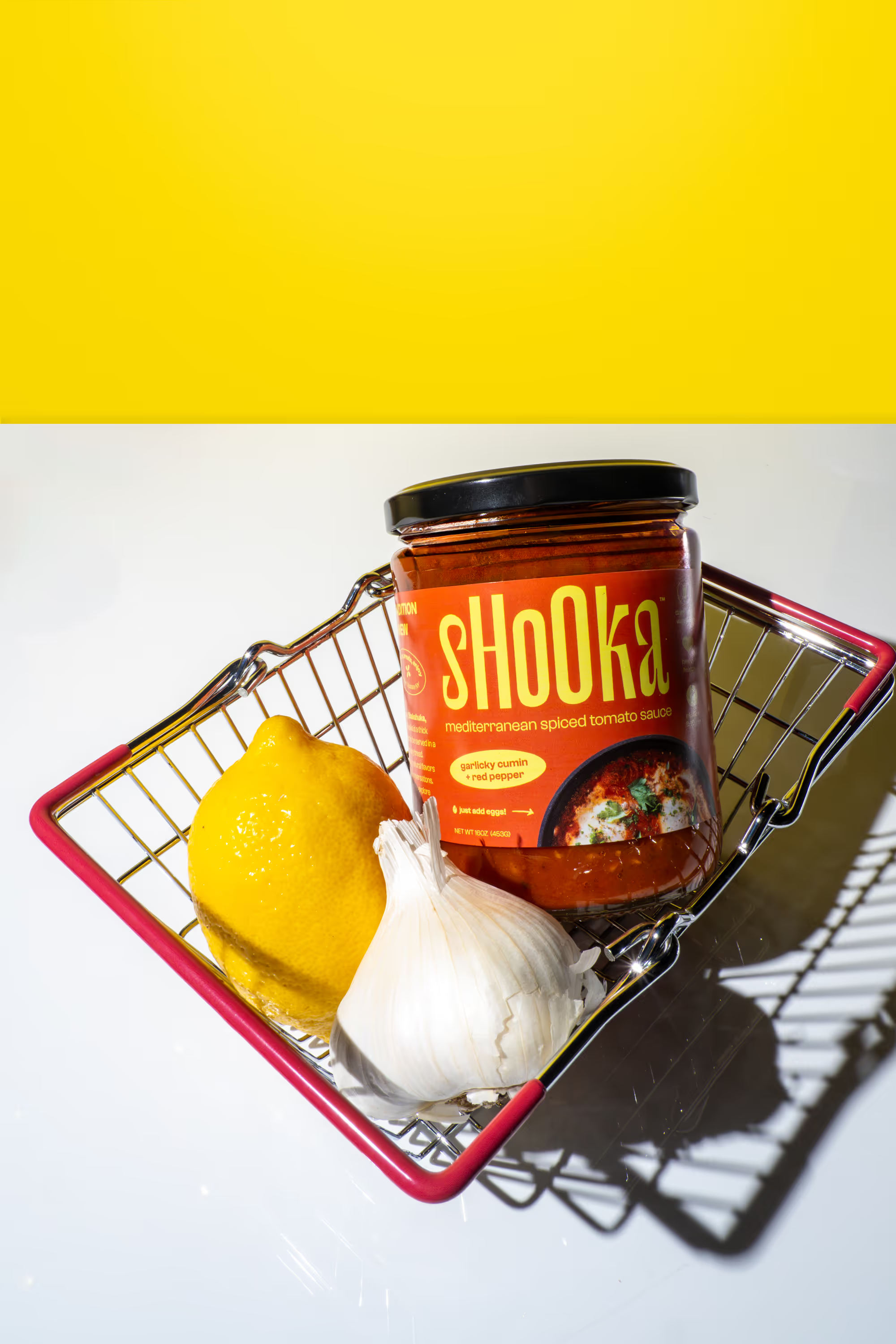
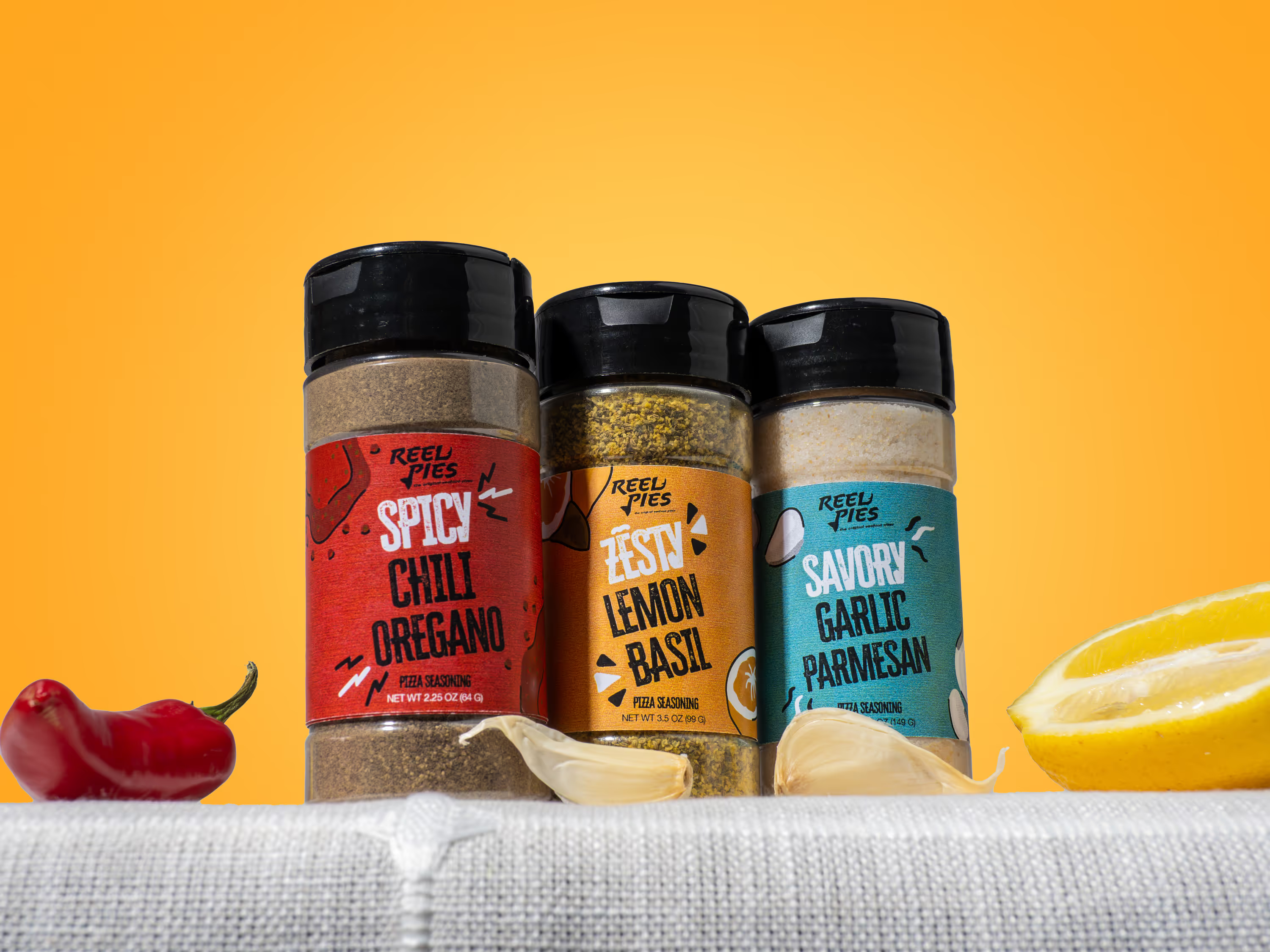
Studio shots sit between white background and lifestyle. Your photographer styles, lights, and brands them with intention, but the product stays the clear focus. Think of a row of your SKUs on a colored backdrop with ingredients scattered around them. Or a single bottle with dramatic lighting and a clean shadow.
These are your homepage heroes, your landing page banners, your paid ad creative, and your pitch deck visuals. Studio shots say "this brand is polished and intentional" without pulling attention away from the product.
The difference from lifestyle is context. Lifestyle puts your product in someone's life. Studio puts your product on a stage. Studio shots give your team more control over branding, color, and composition because there's no real-world environment competing for attention.
For CPG brands, studio shots are where your brand identity comes through strongest. Ask your photographer to match your brand colors, select props reinforcing your packaging story, and light the scene to fit your visual guidelines. This consistency is what makes your website look cohesive instead of patched together.
We saw this firsthand with Grater Things during their rebrand. They were moving to a bold, colorful new brand direction and needed product photography keeping their products as the main focus while fully embracing the new look. Studio shots gave us the control to do both: vibrant colored backdrops and styled props matching the rebrand energy, with the product front and center in every frame.

How Do You Know Which Product Photography Styles to Prioritize?
Here's the simple hierarchy:
First: white background. If you're missing clean product shots, fix them before spending a dollar on anything else. No lifestyle or studio content will save a listing with bad hero images.
If you're starting fresh and working with a smaller budget, put most of your spend here. Once your PDPs and Amazon listings are covered with strong white background images, you're ready for the next step.
Then split the rest between studio and lifestyle, weighted toward studio. A good rule of thumb is roughly three quarters of your remaining budget on studio shots and one quarter on lifestyle. Studio content does more heavy lifting across your website, landing pages, pitch decks, and mid-funnel ads. Lifestyle fills in your social calendar and email campaigns.
If you're a social-first brand where most of your revenue comes through Instagram or TikTok, shift the ratio toward lifestyle. But for most food and beverage brands, the white background vs lifestyle product photography split still leans toward studio content earning its keep across more channels.
At Photos by Lars, we plan shoots covering all three styles in a single session with 3 to 5 day turnaround. You ship your products, we handle the creative so you stay focused on your launch, and you get back a full library organized by style and platform.
Common Questions
Do I need all three styles for every SKU?
Not right away. Every SKU needs white background shots. Start with your hero SKUs for studio and lifestyle content, then expand as your budget allows. A common approach is white background for the full catalog and styled content for your top 3-5 sellers.
What if my budget only covers one type of shoot?
Start with white background. It's the only style working across Amazon, retail, and your own PDPs. You'll get more use out of 20 strong white background images than 5 lifestyle shots.
Which style works best for paid ads?
Match the style to the funnel stage. Top-of-funnel awareness ads perform better with lifestyle and UGC-style creative because they blend into social feeds. Bottom-funnel conversion ads perform better with studio or white background shots because the viewer already knows your brand. A/B test both and track your ROAS.
How do I brief a photographer on all three styles?
Share your brand guidelines, a list of SKUs by priority, and where each image will live (Amazon, website, social, ads). A good photographer will build a shot list mapping each style to the right placements. We put together a shot list for every client before the shoot starts.
How many images do I need per style?
For white background, plan on 3-5 angles per SKU, and for studio, 5-10 images per hero SKU is a strong starting point. For lifestyle, aim for 10-15 images you rotate through social and ads. Want to see where your current visuals stand? We built a free Brand Visual Scorecard showing you where the gaps are, or you're welcome to book a call and walk through it with us.