Walk down any grocery aisle and you’ll see the truth: your product has about two seconds to earn attention. Between bright packaging, busy shelves, and shoppers moving fast, standing out is about making sure your product looks like the best choice from ten feet away. That’s exactly what retail product photography is for.
Why Retail Product Photography Works (Even Before Someone Tries Your Product)
Retail is visual competition. Shoppers scan with their eyes first, then their hands. If your packaging looks dark, flat, or unclear on the shelf… your brand loses the moment before taste, ingredients, or price even enter the chat. Great grocery store product photography helps you:
- Win the “pause” on shelf (that micro-moment when someone stops walking)
- Increase trust instantly (your brand looks polished and established)
- Support retailer marketing (endcaps, weekly ads, digital banners, in-store signage)
- Boost the “digital shelf,” too (Instacart, retailer sites, Google Shopping)
And the best part? One strong photo system can power everywhere your brand shows up.
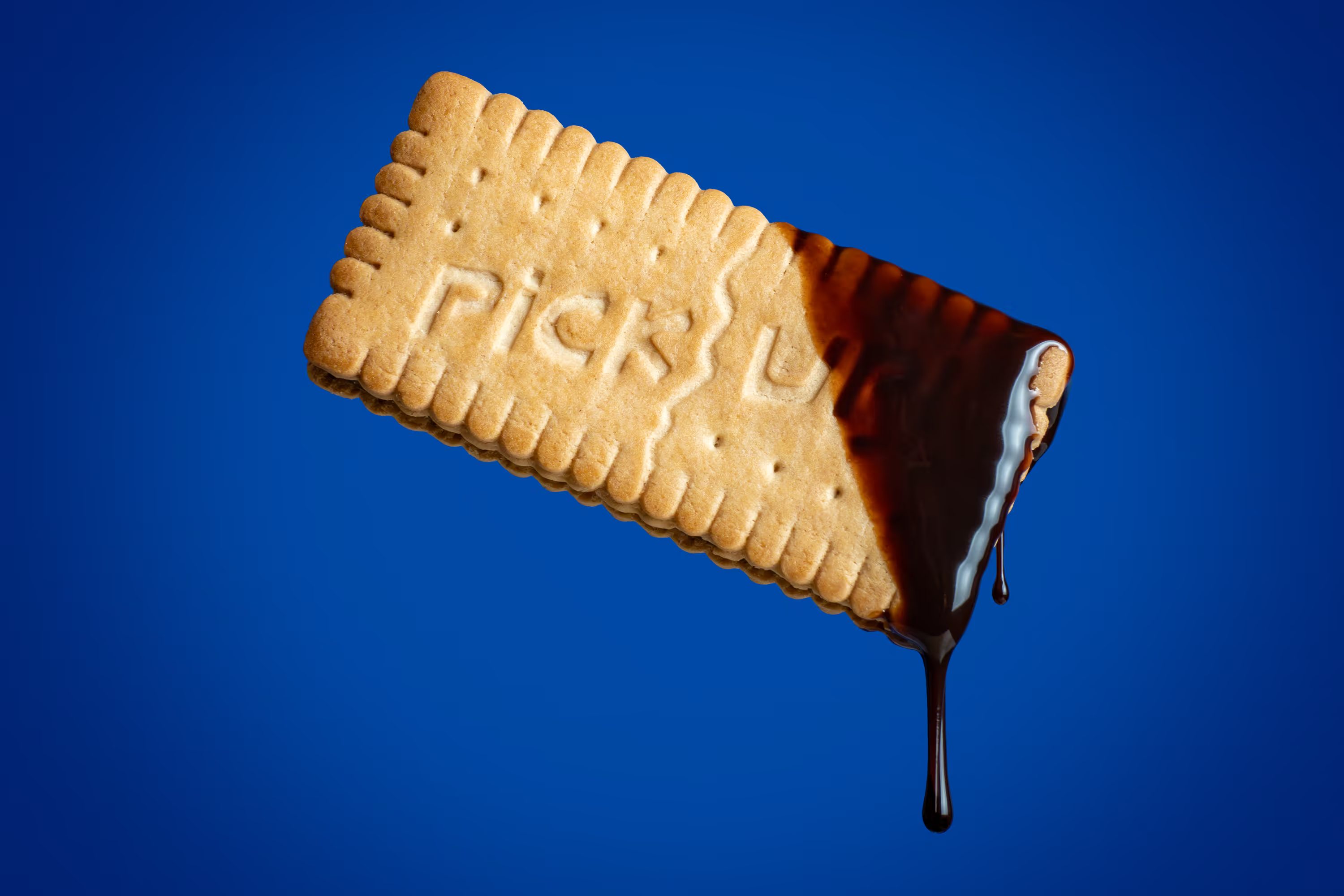
Start With Shelf Reality: Your Product Is Not Competing on a White Background
A clean pack shot is important. But retail success comes from context. Think about where your product lives: top shelf vs. bottom shelf, fluorescent store lighting (think color shifts), and tight spacing between competitors. If your photos only look good in a studio vacuum, you’re missing the retail moment.
Here’s a simple way to judge if your photography is truly retail-ready:
- Shrink your image down to the size of a postage stamp on your screen
- Step back a few feet
- Ask: Can you still read the brand and the benefit?
If it gets unclear, you need stronger clarity, contrast, and lighting control. Pro Tip: Don't just do this yourself but ask friends or strangers to do this test for you. They'll be (more or less) unbiased and show you what shoppers see.
Build a “Retail-Ready Image Kit” (So You’re Never Scrambling for Assets)
Retail needs a consistent set of images that work across placements. Here’s the kit we recommend for most CPG brands launching or growing in grocery:
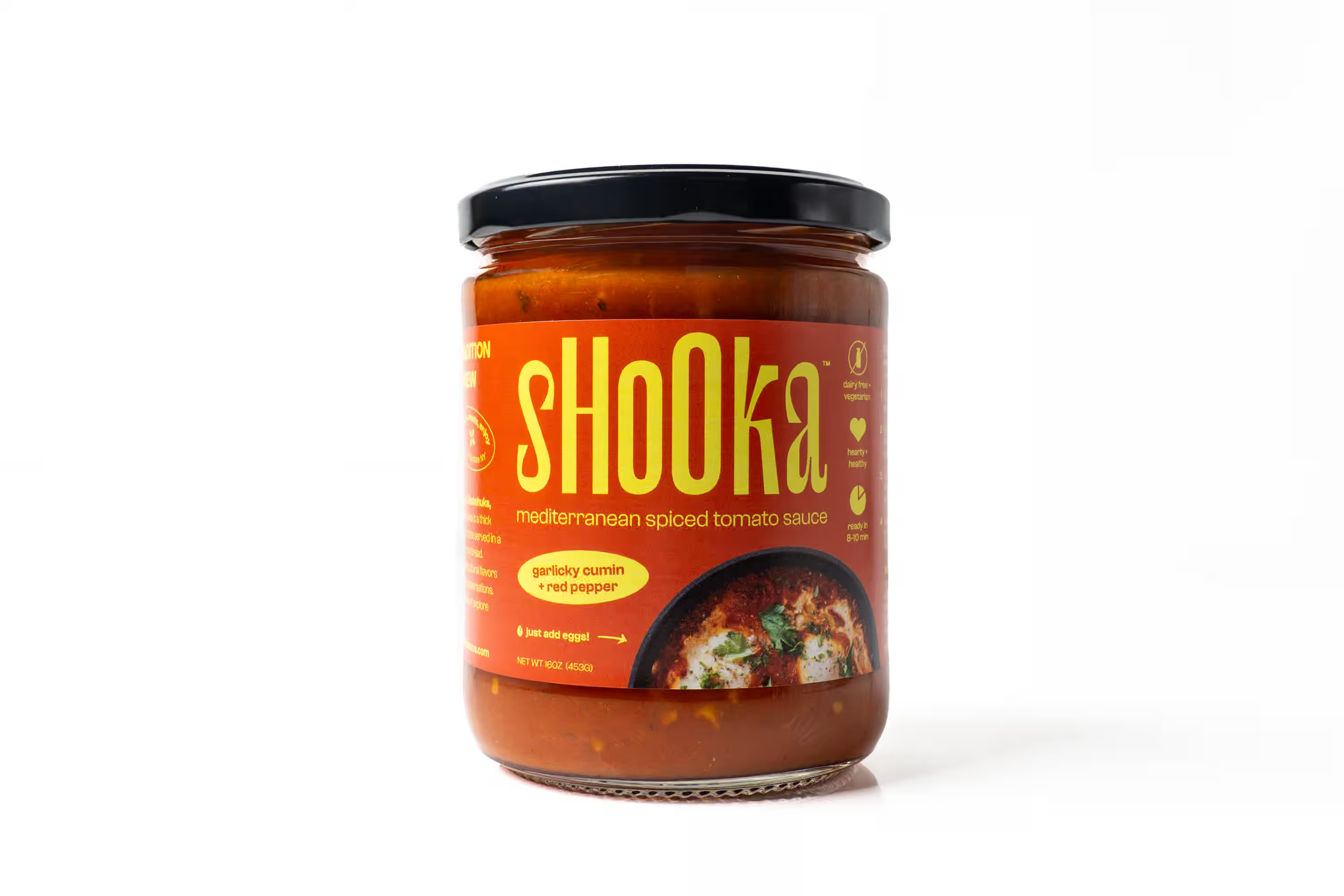
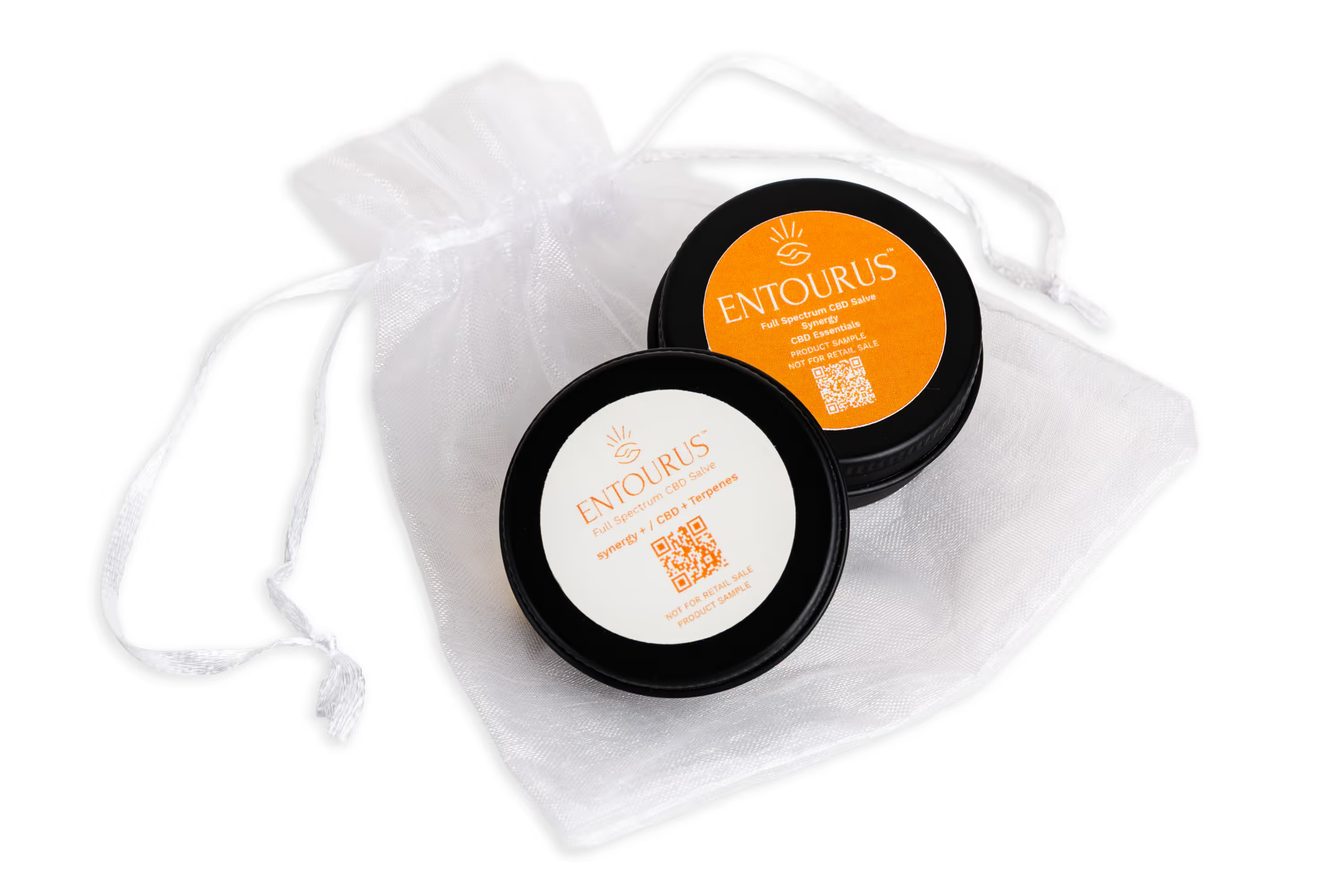
1) The Hero Pack Shot: This is your clean, high-impact image used everywhere with perfect label readability.
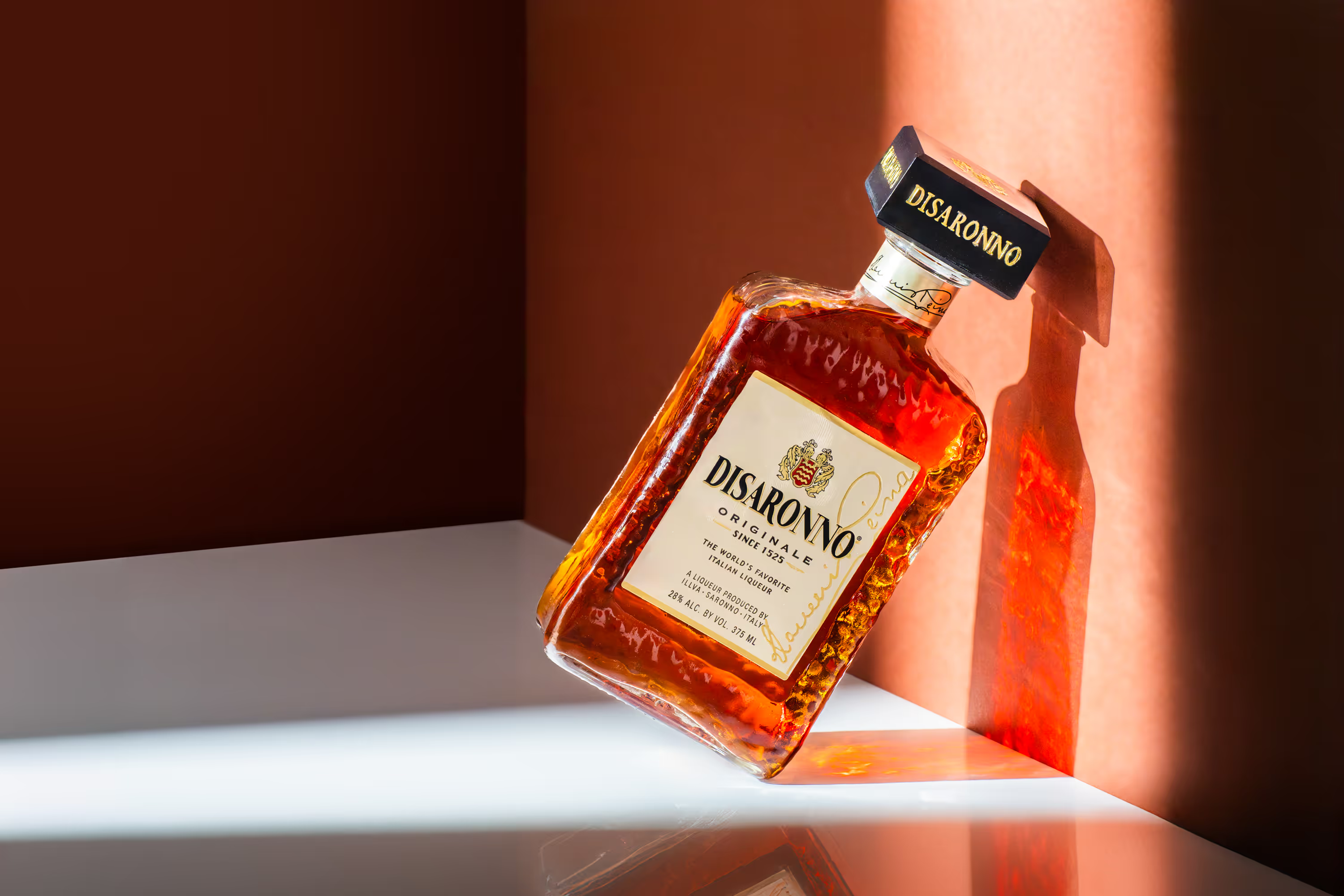
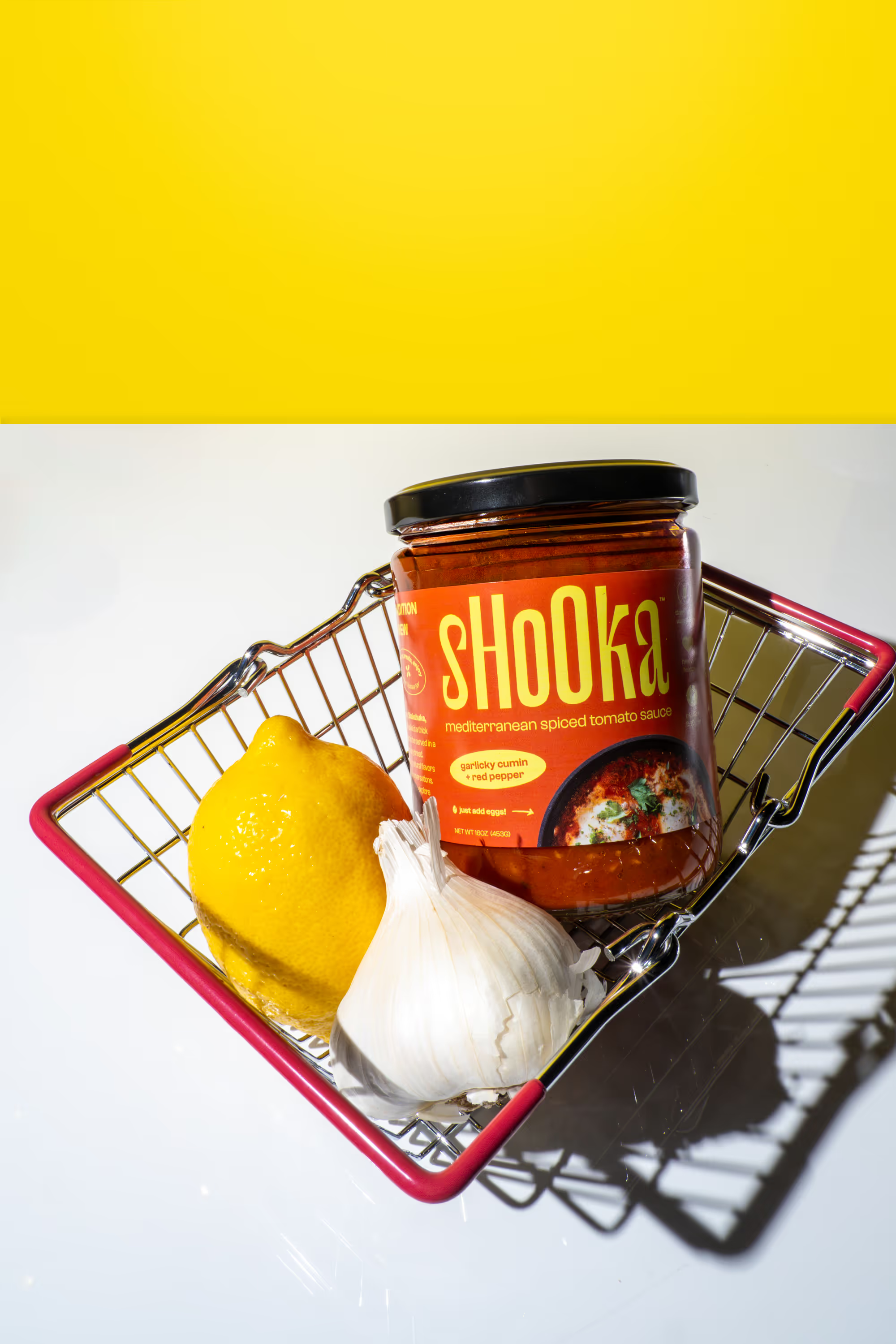
2) The Shelf-Impact Angle: A slight angle can add dimension and “pop,” especially in ads and signage.
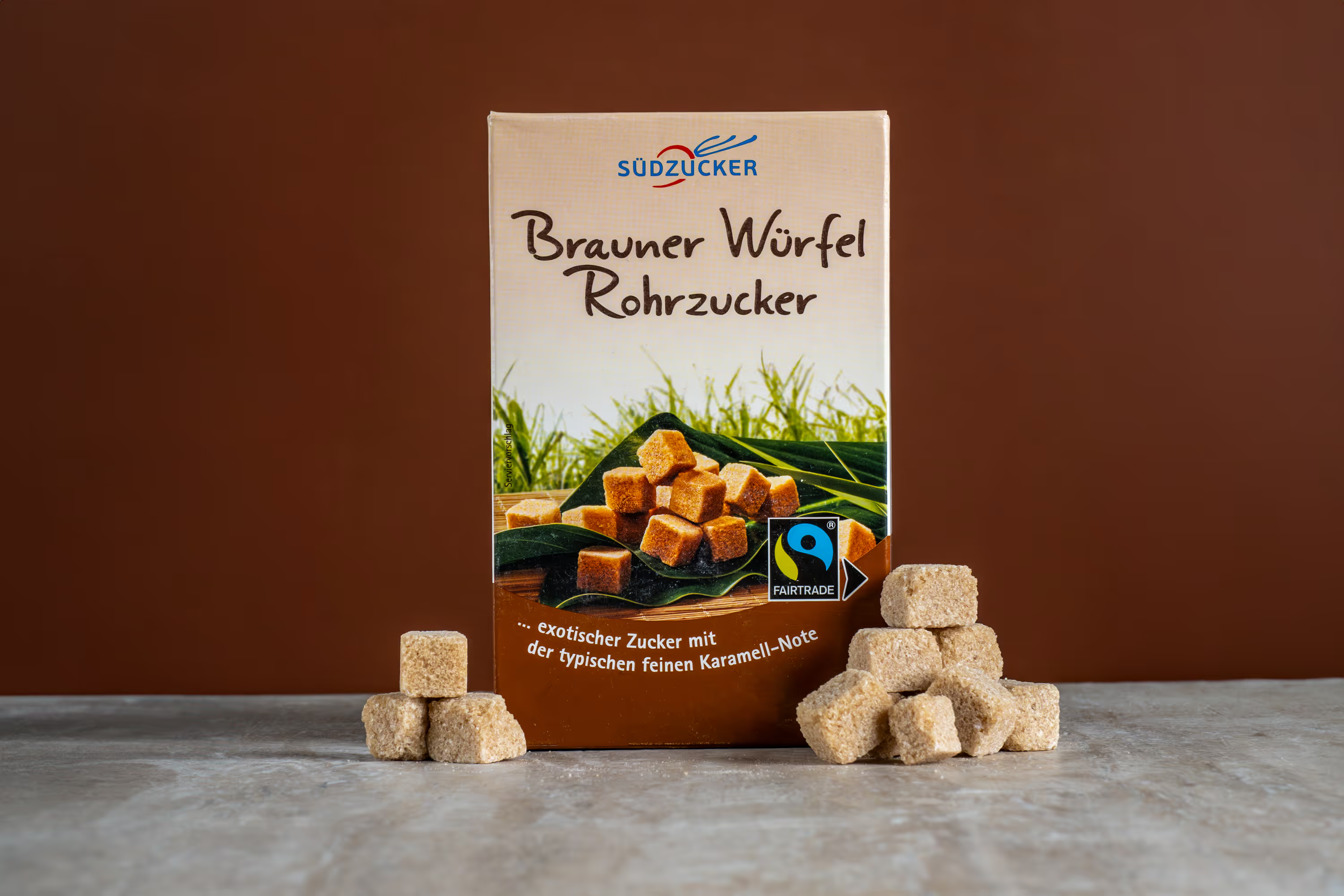
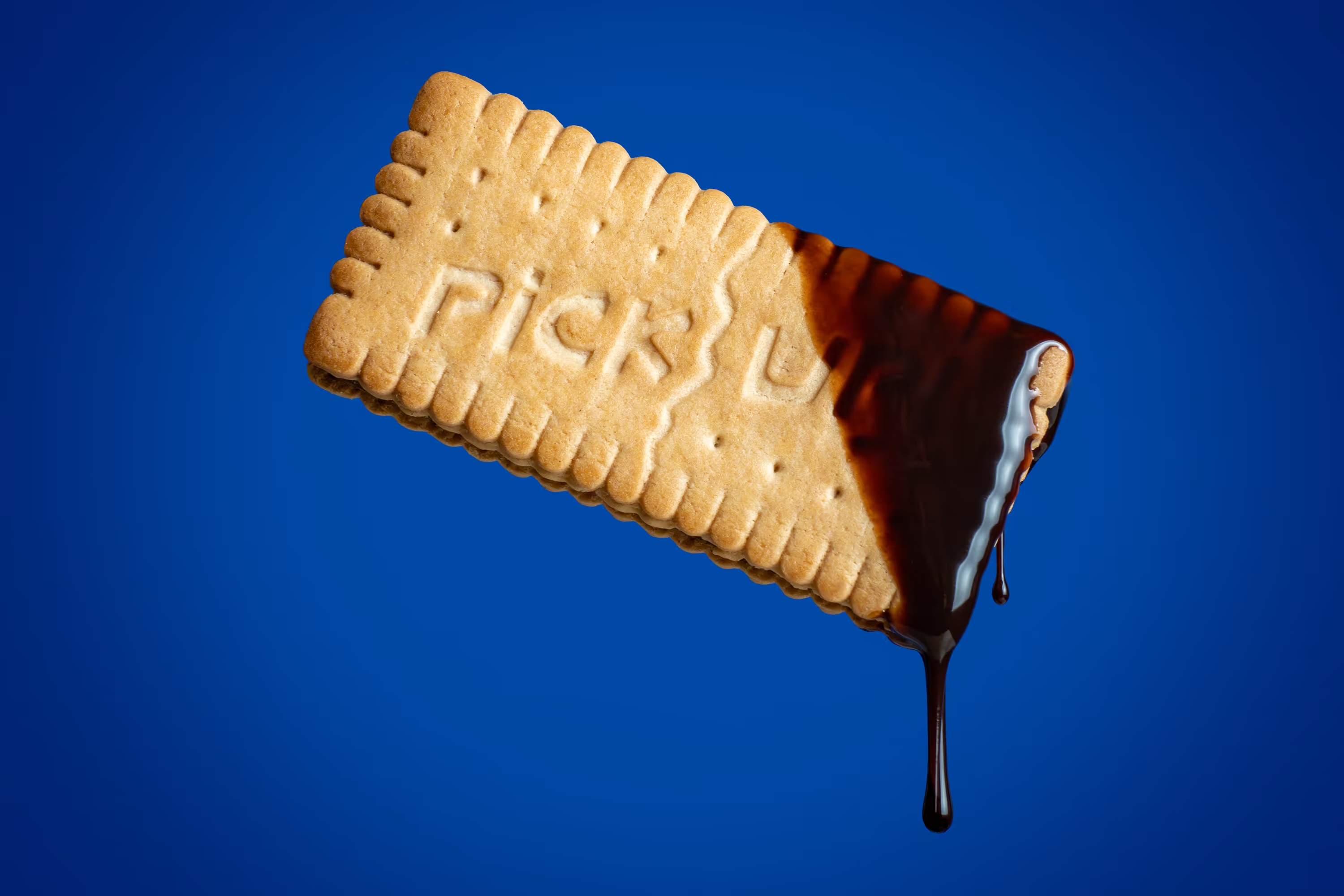
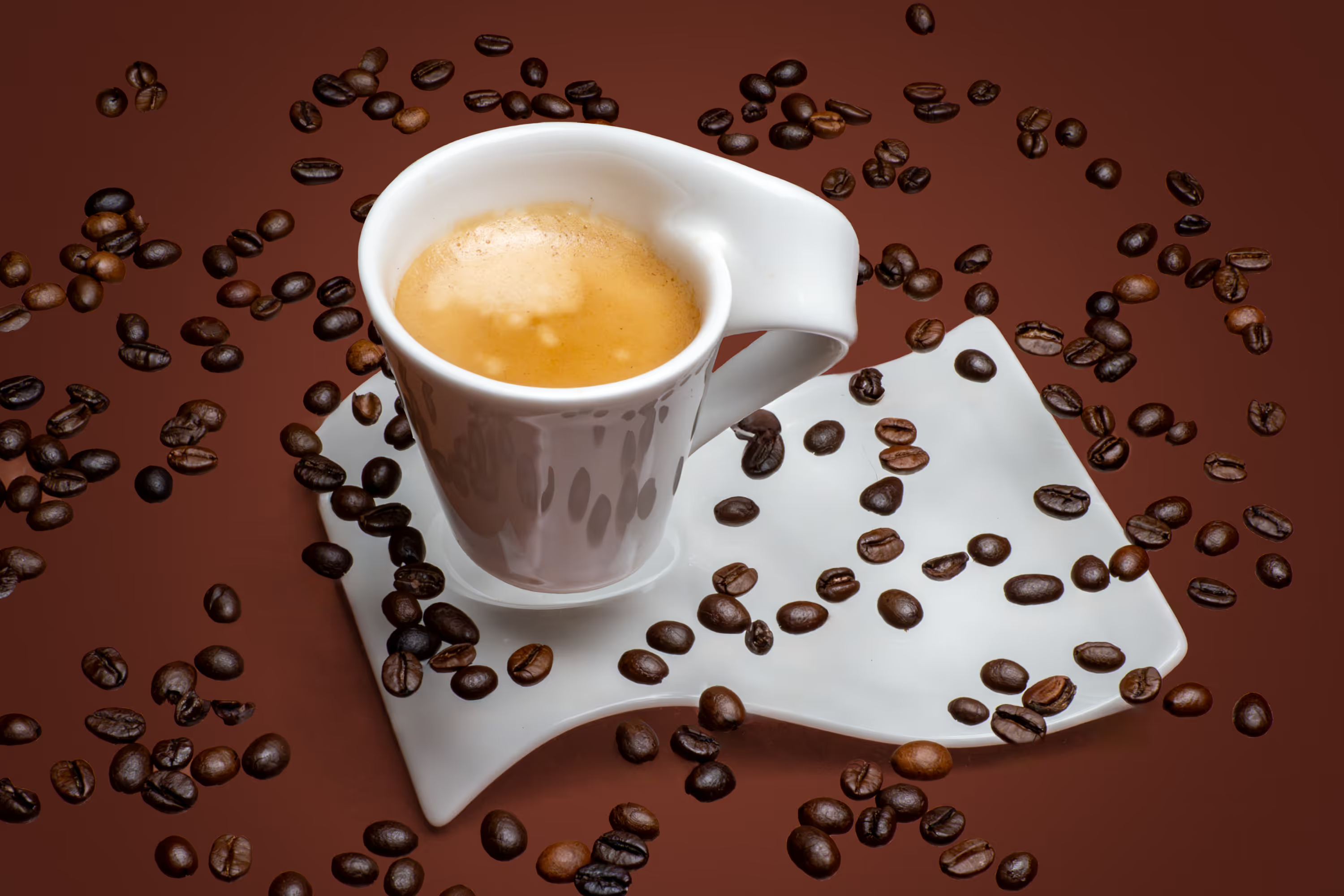
3) Ingredient / Texture Detail: Close-ups that create appetite appeal and quality signals. This can be salt crystals, chocolate texture, oat milk swirl, skincare serum shine, or whatever is relevant for your product.
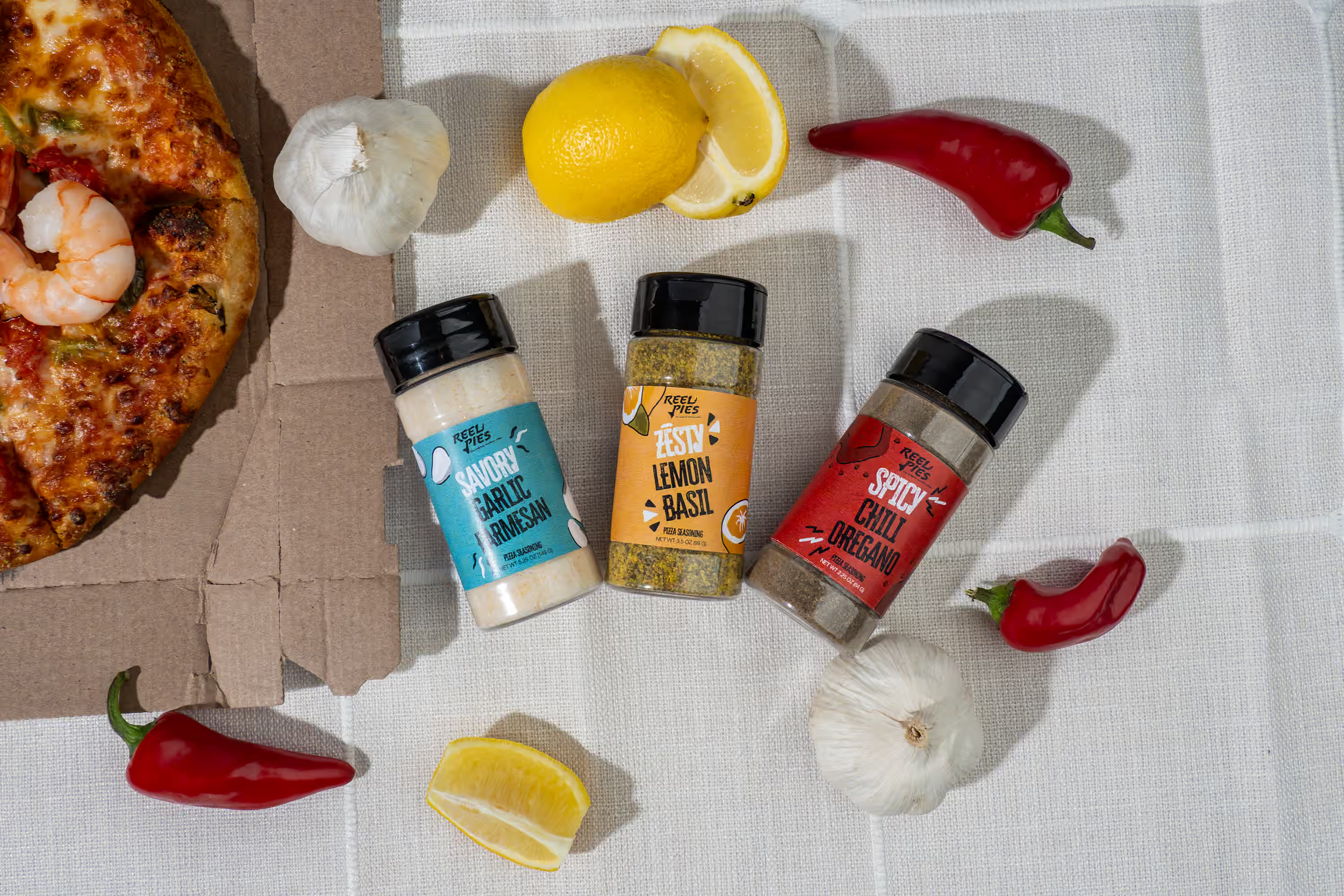
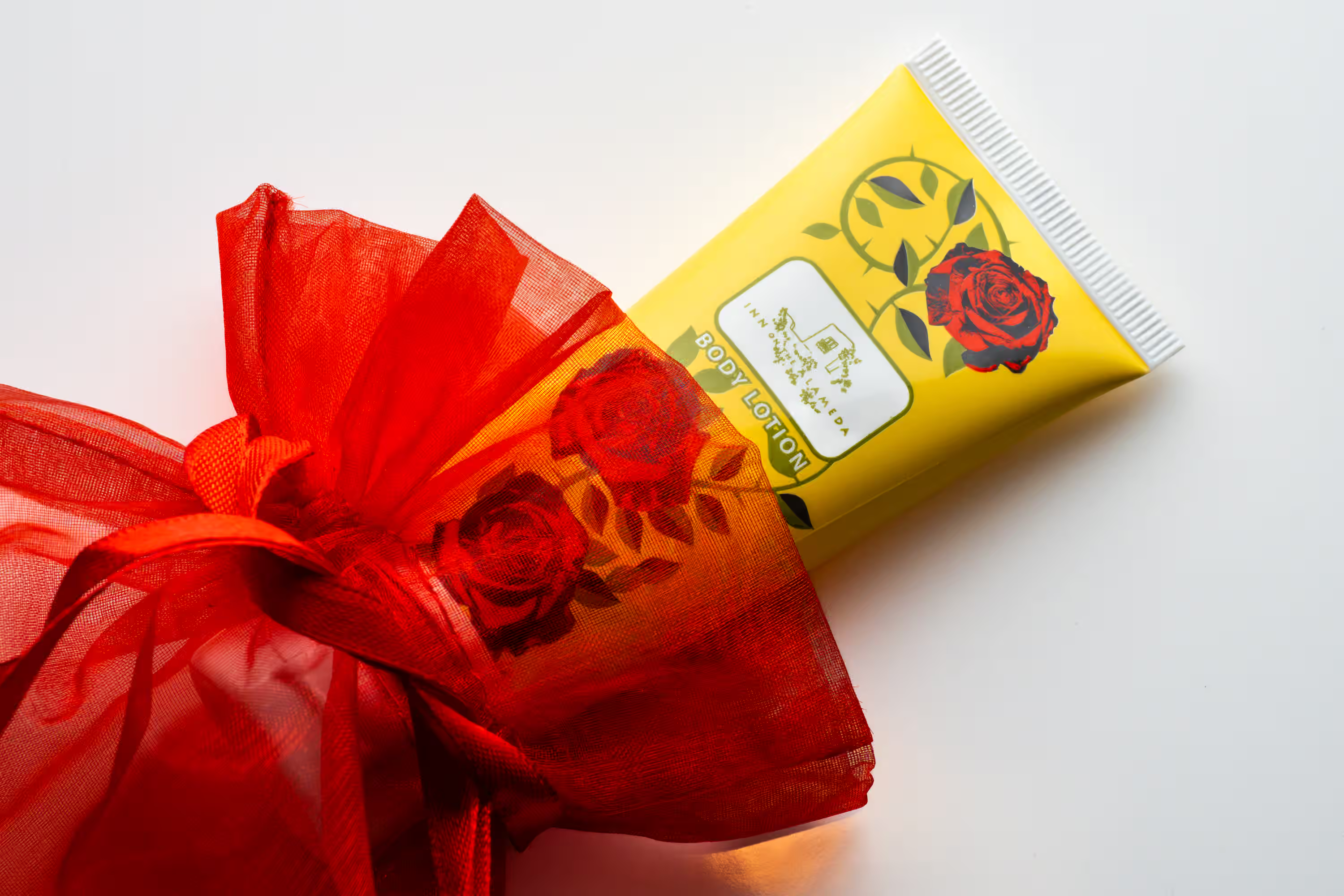
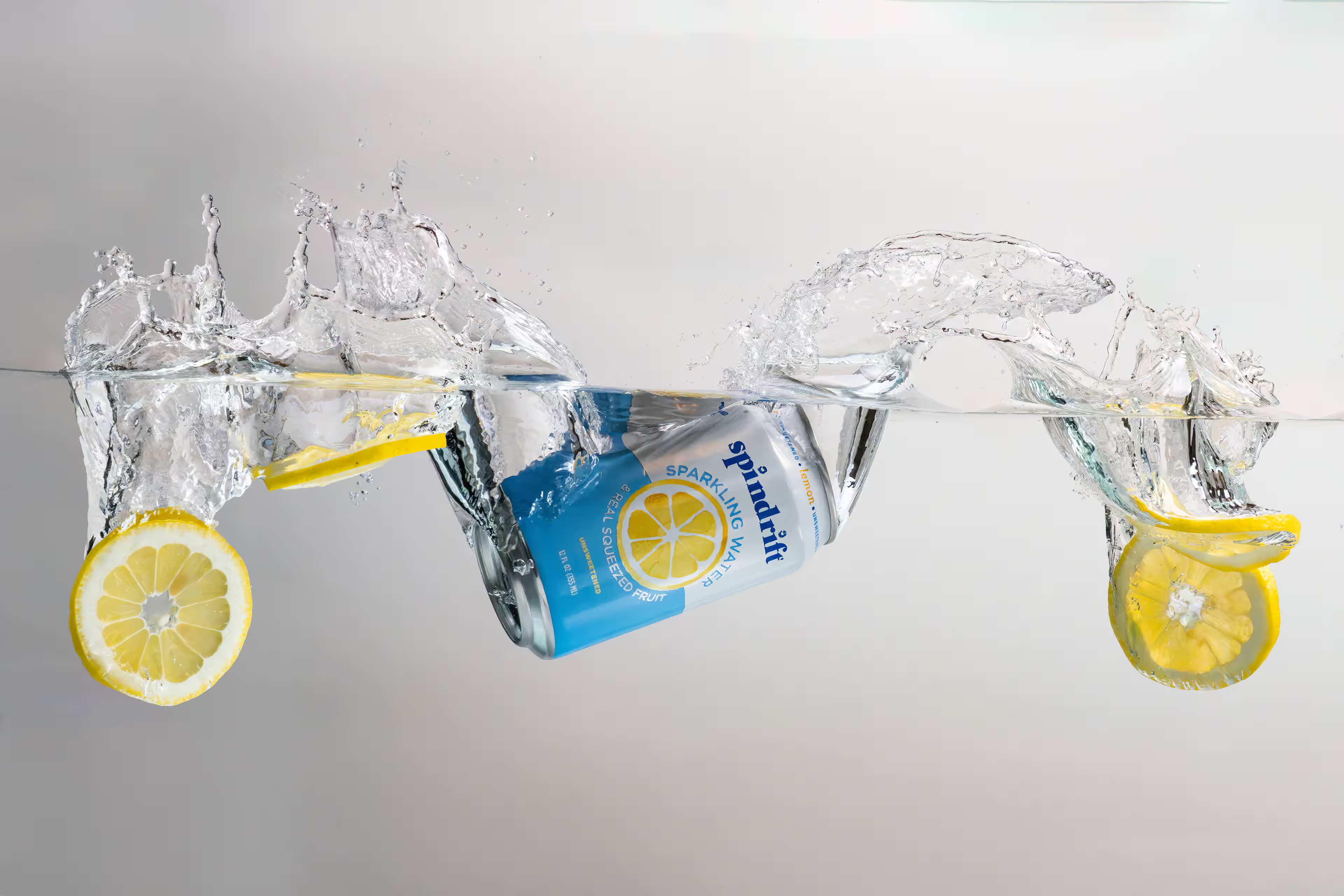
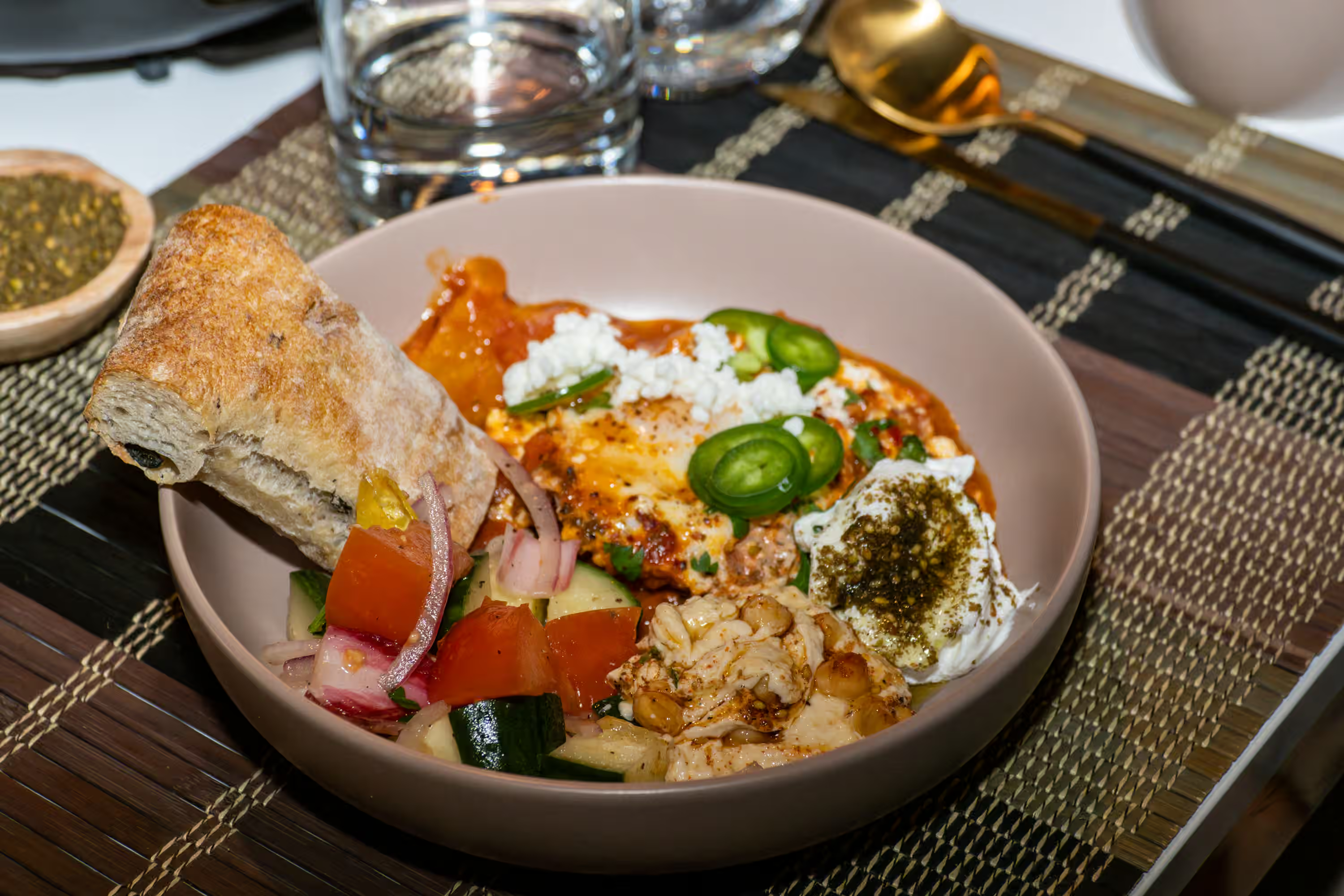
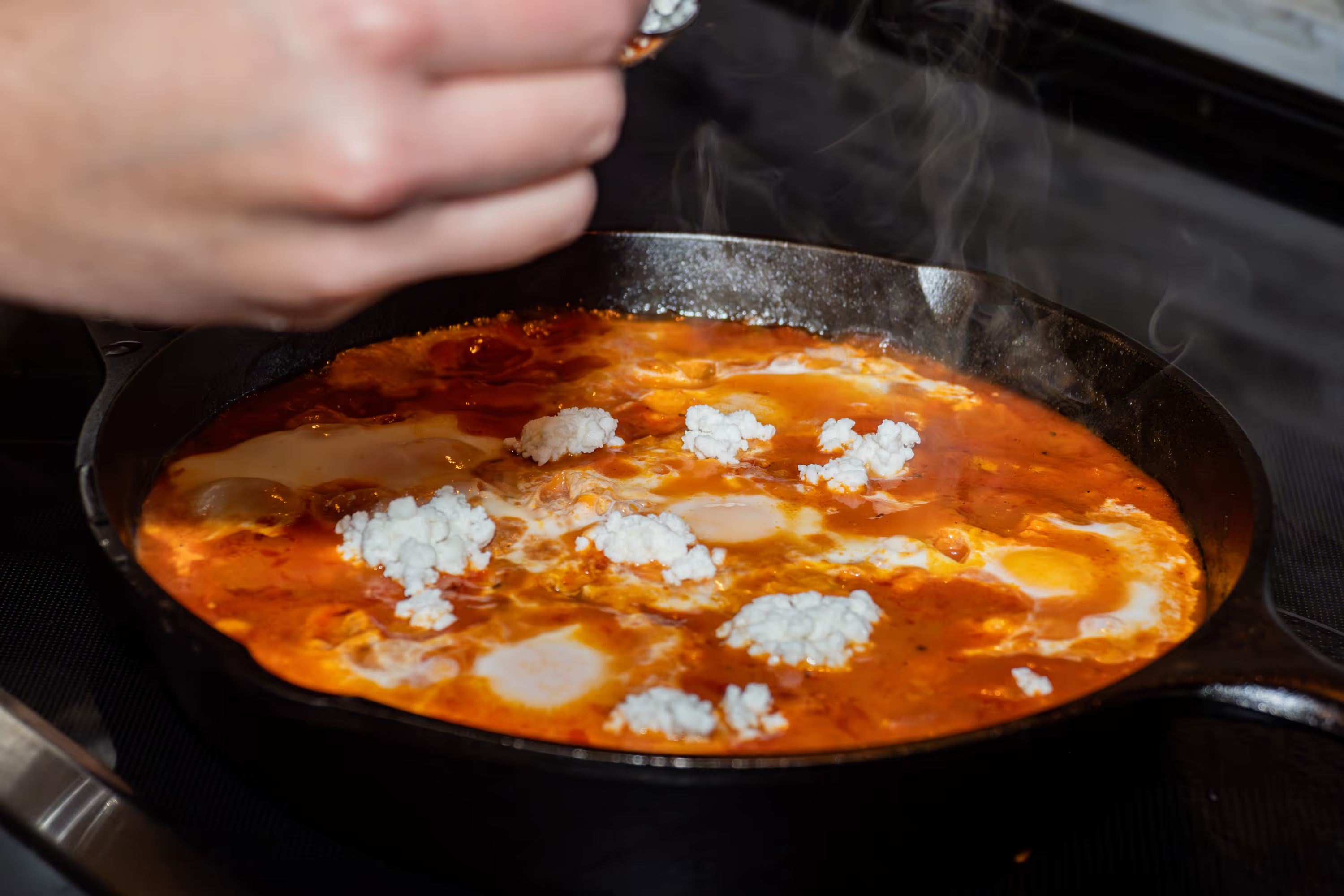
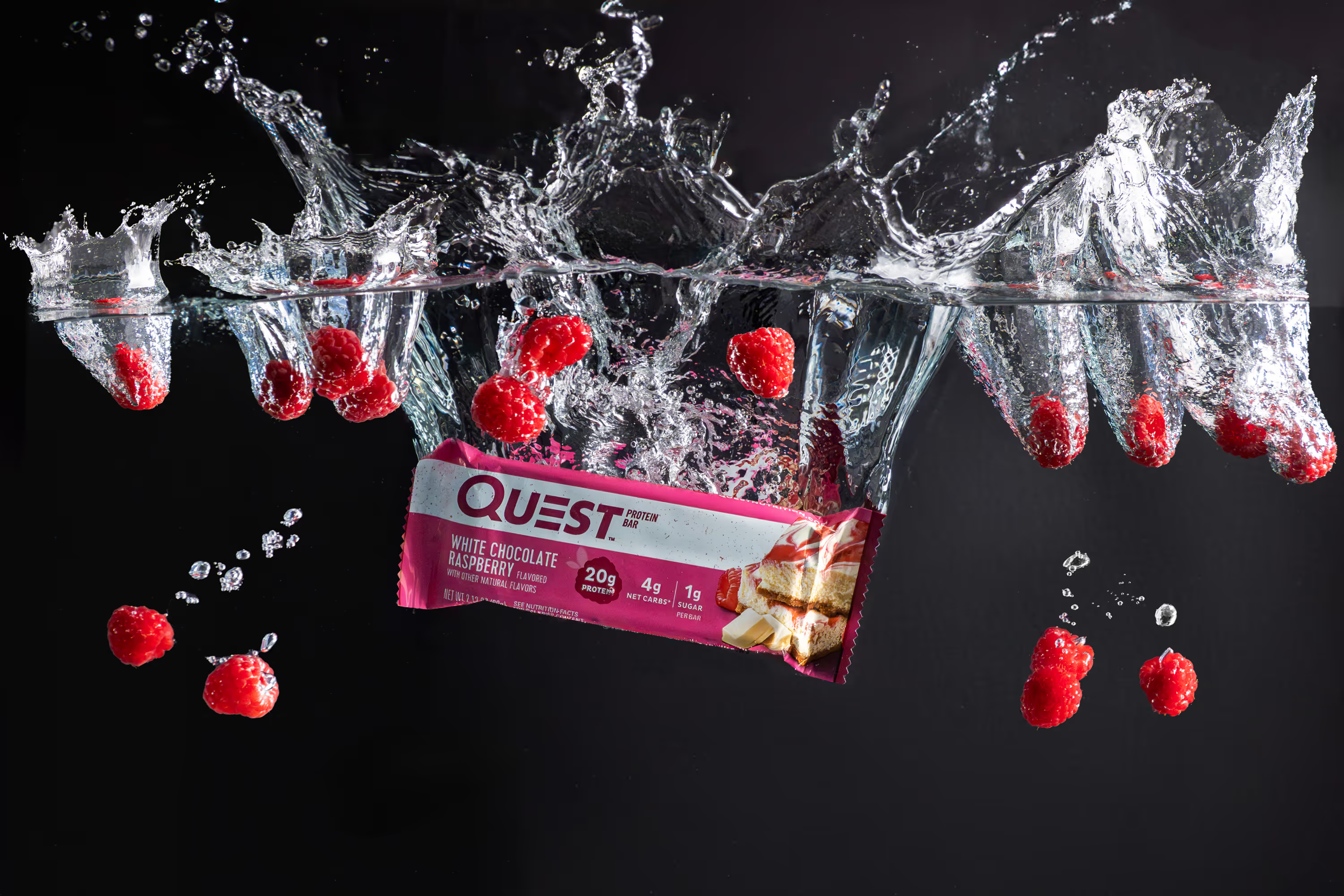
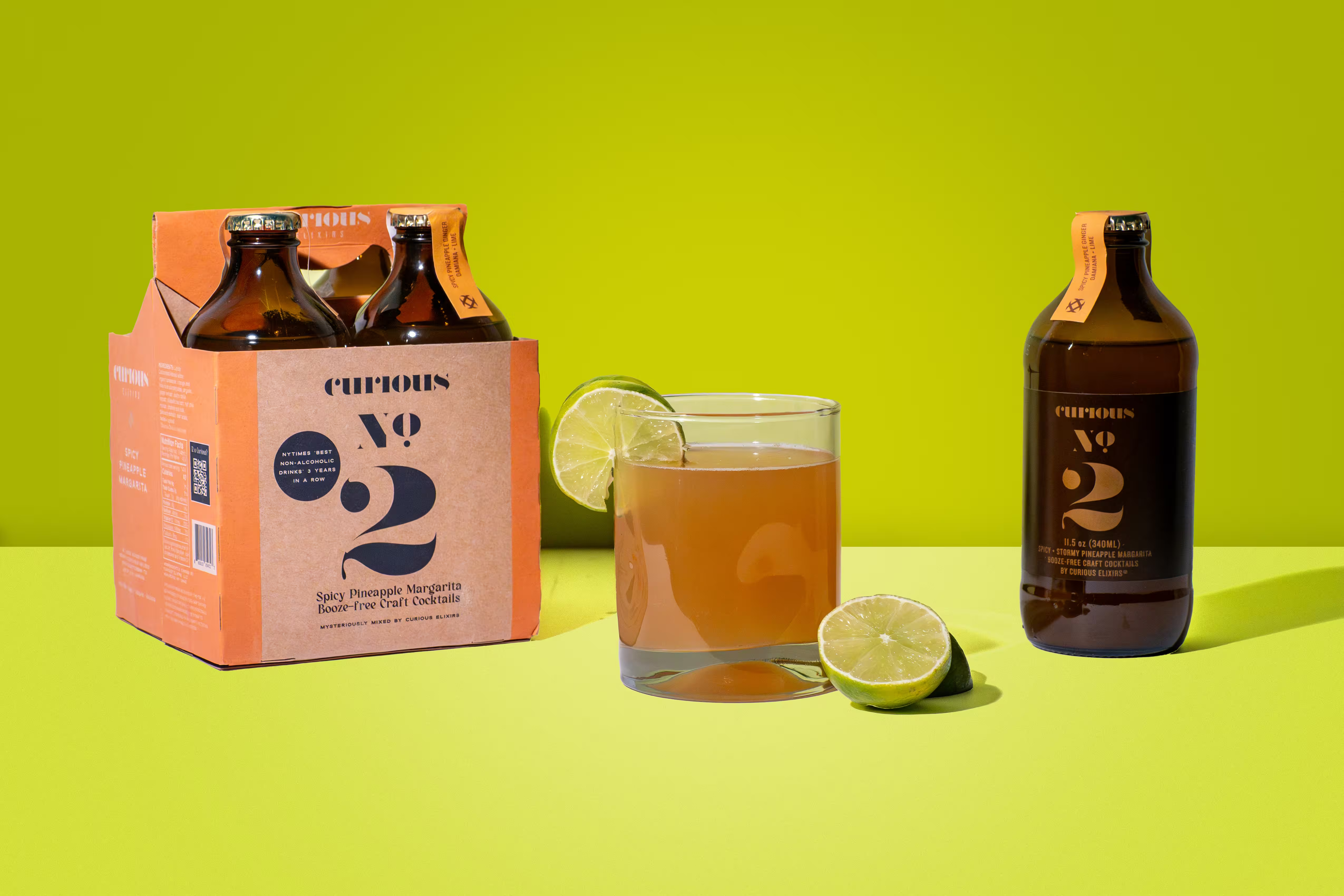
4) Lifestyle or “In-Use” Scene: Show the moment your buyer wants – A protein bar mid-hike, a drink poured over ice, or a sauce finishing a weeknight bowl. This is how your brand becomes felt, not just seen.
Make Your Packaging Look Expensive (Without Changing the Packaging)
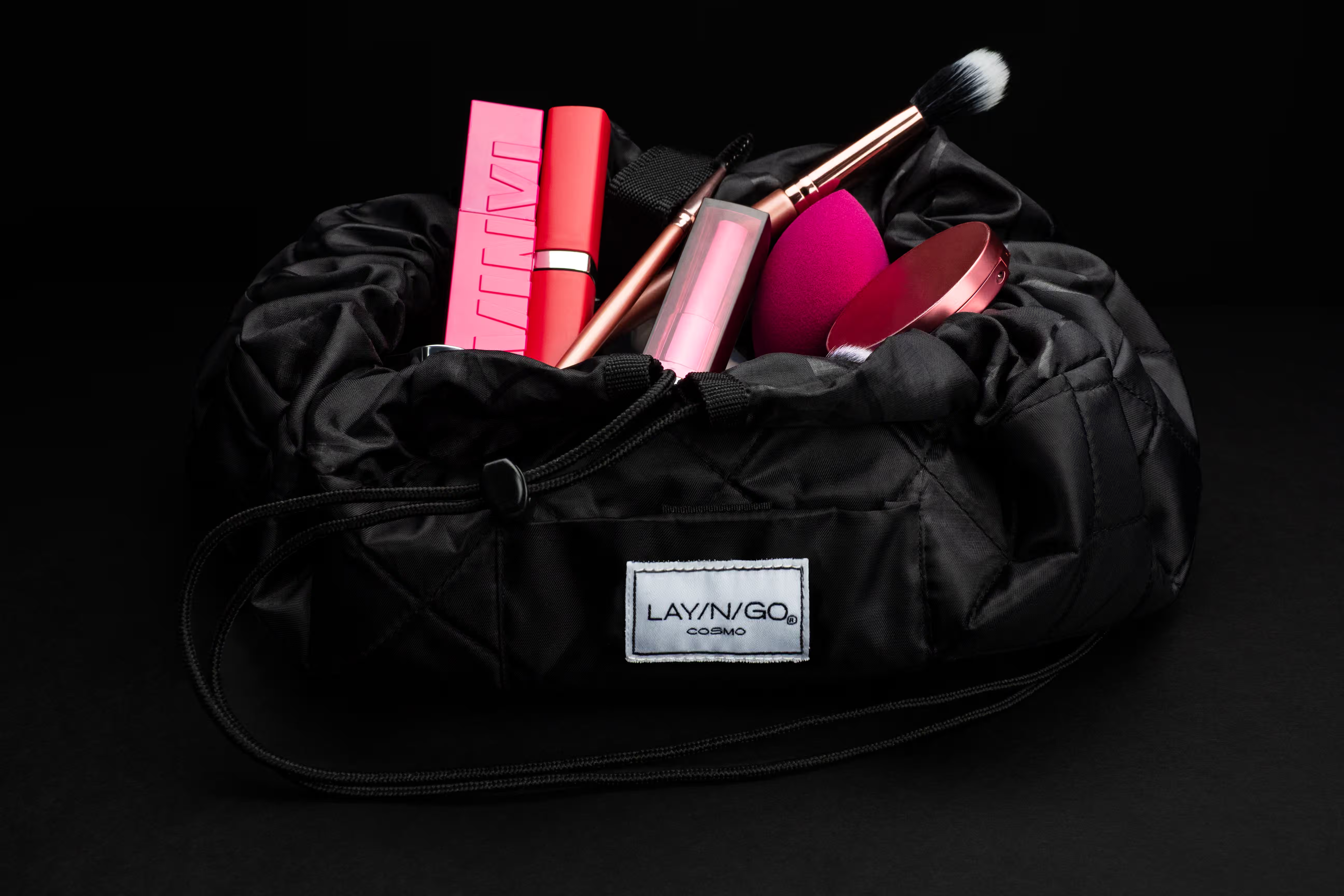
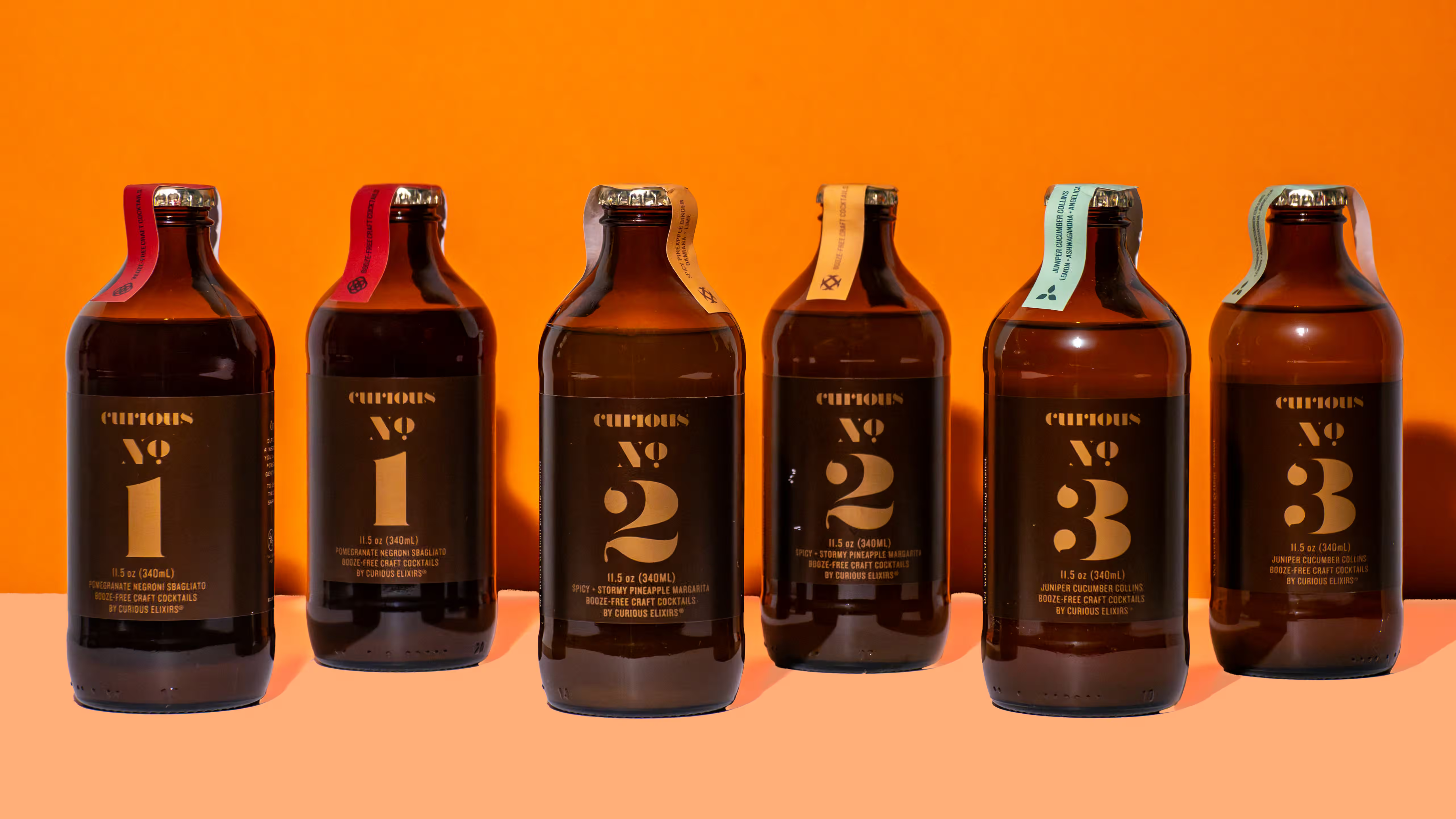
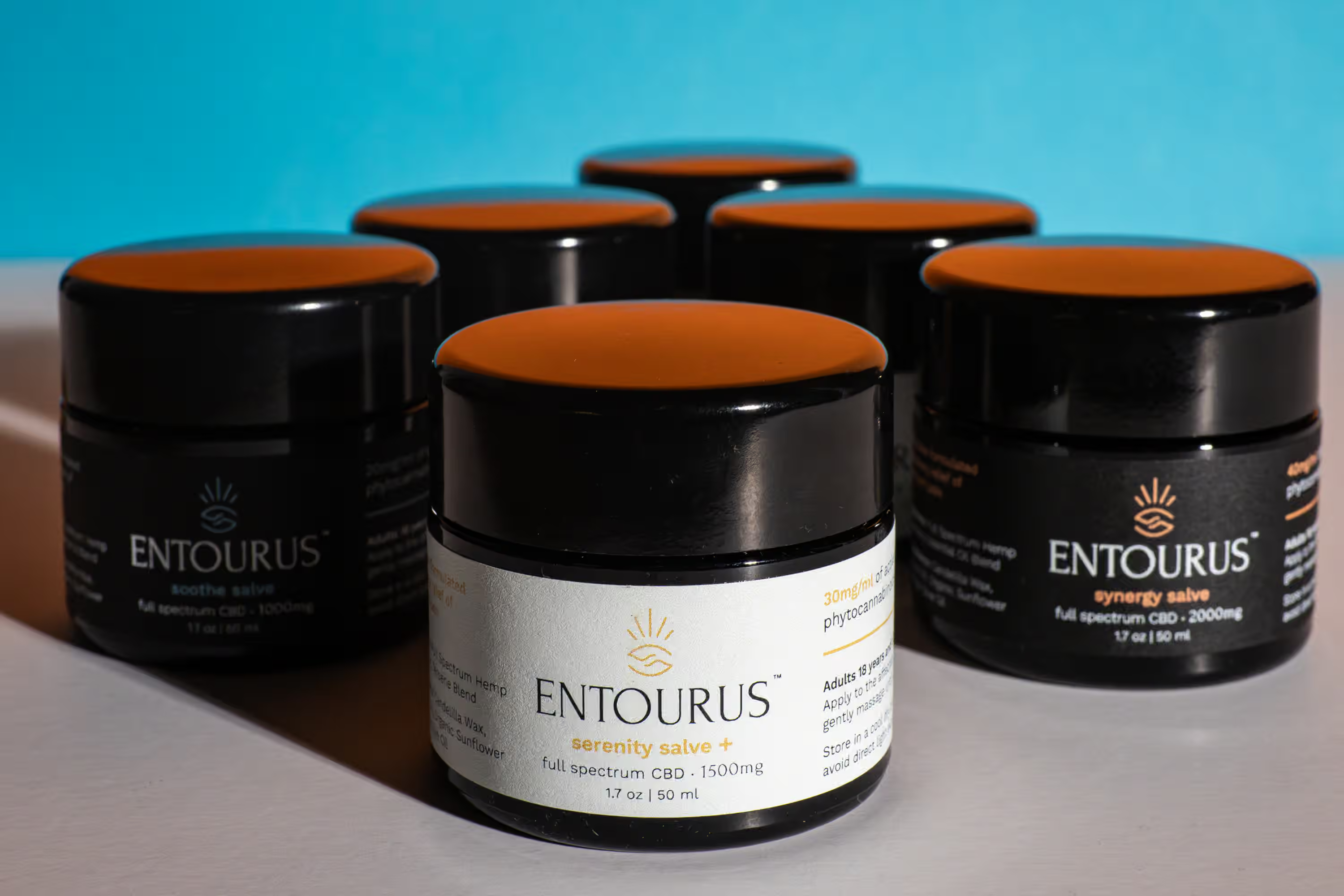
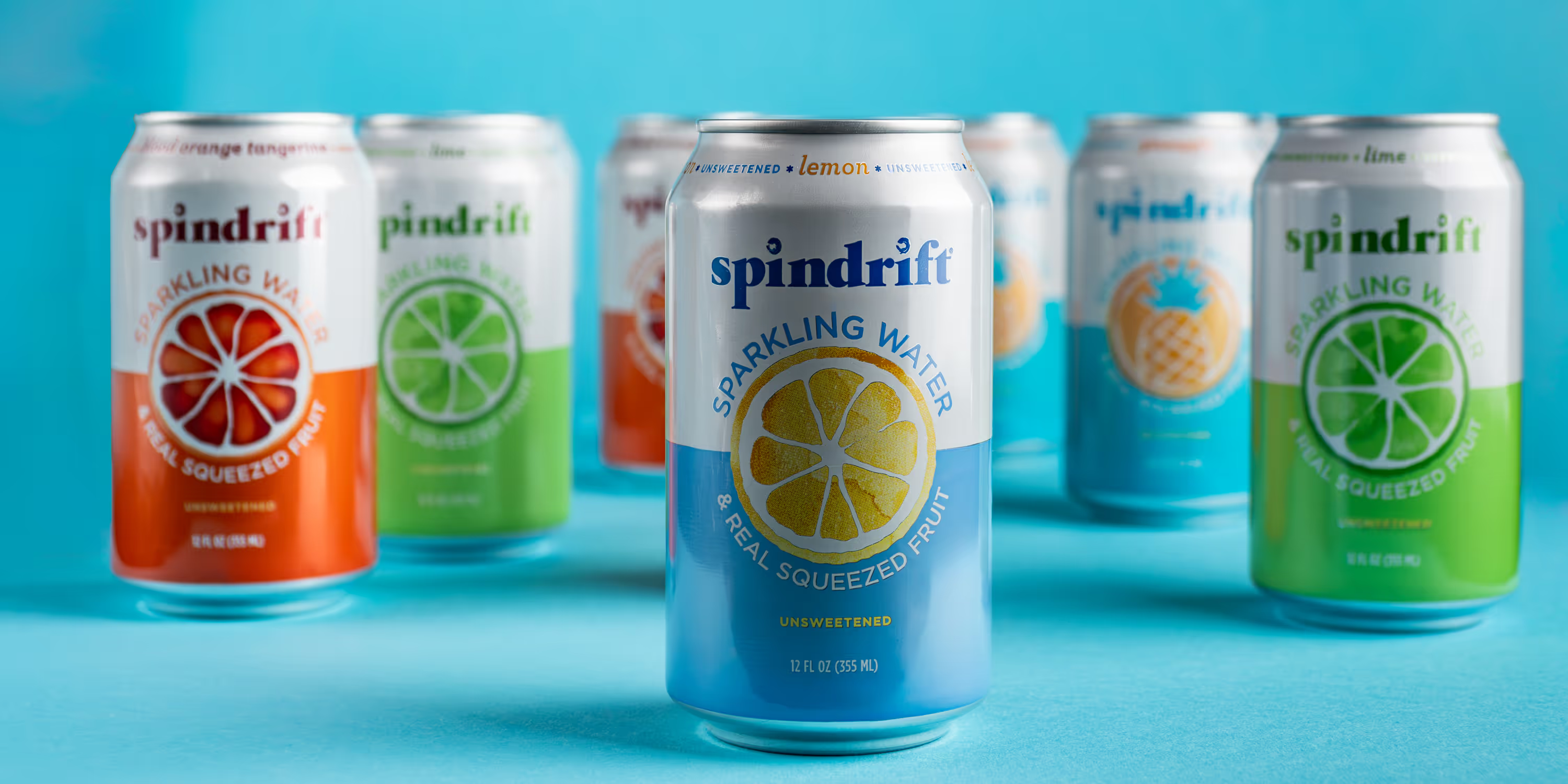
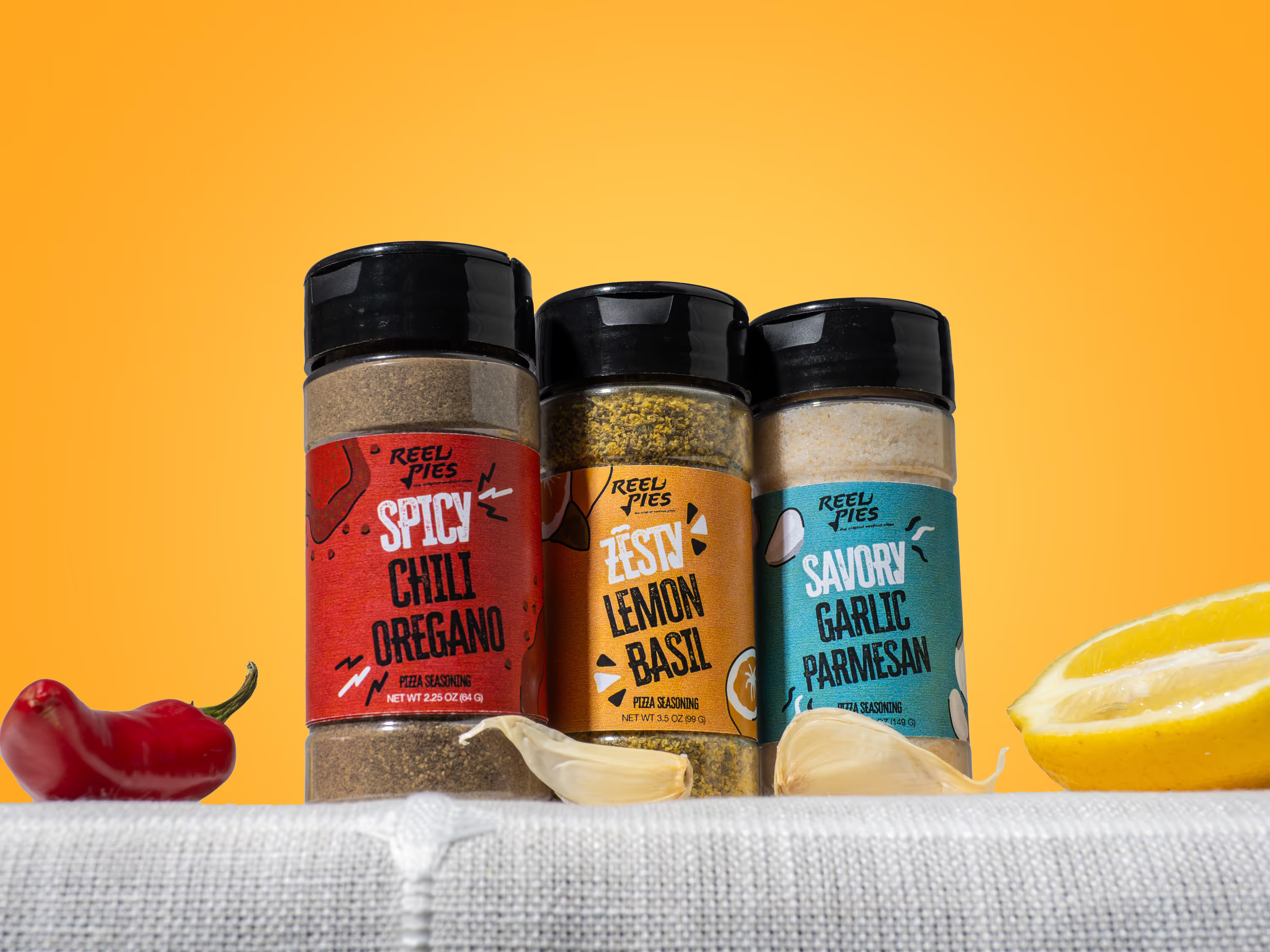
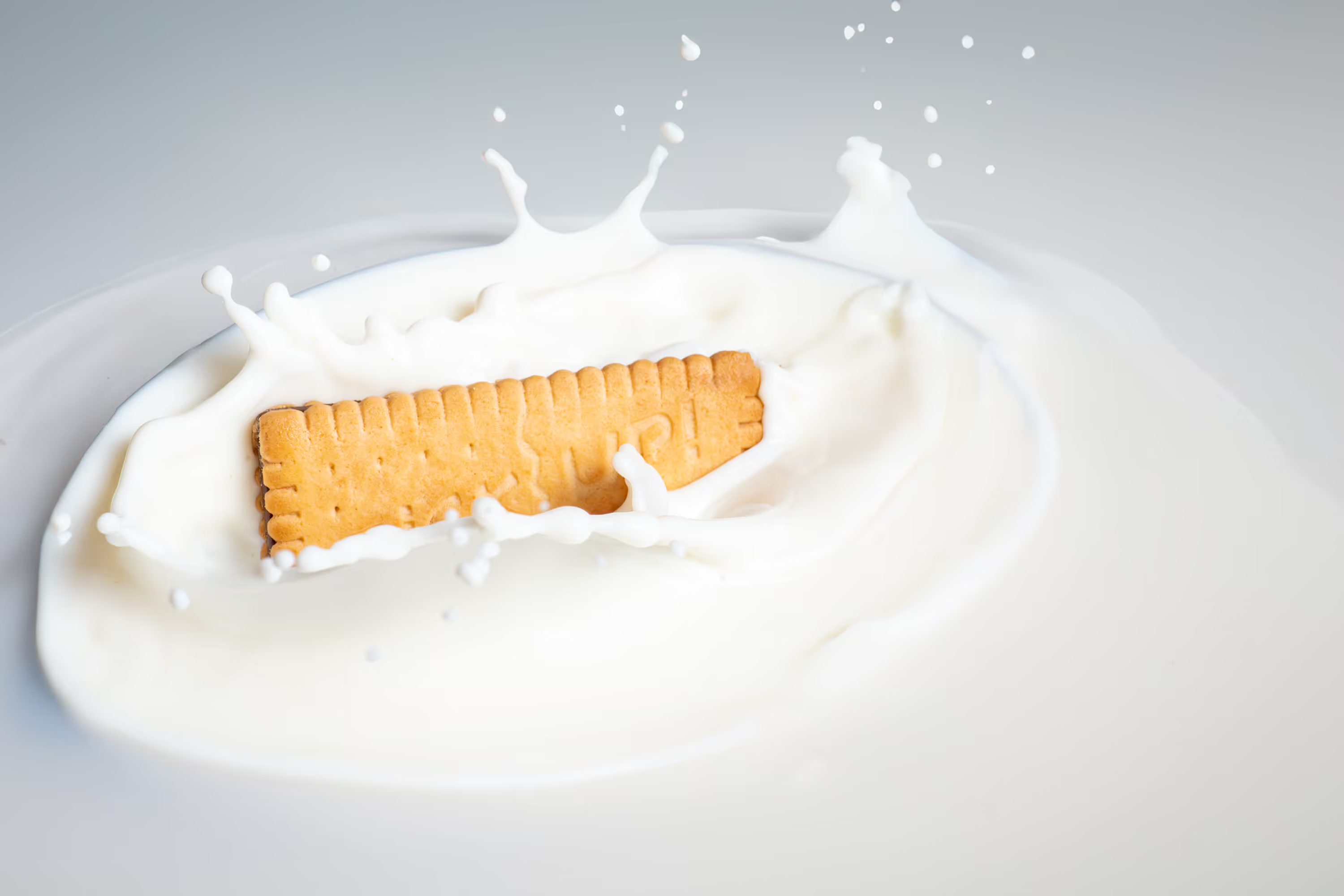
In grocery, “premium” is often just lighting and control. Even the best packaging design can look dull if it’s shot with flat light or inconsistent color. The goal is to make your product look: clean, dimensional, vibrant, and real. Here's what's important for that: Controlled highlights and accurate color, edge definition (your product should separate from the background cleanly), and consistent shadows. If your brand has multiple SKUs, consistency matters even more. When your lineup looks unified, the shelf looks like you own the space.
Use Photography to Communicate Your “Reason to Buy” in One Look
Retail is not the place for long explanations. Thus, your photos should visually reinforce the fastest benefits. That’s how you create desire without needing extra words.
Final Takeaway
Retail is crowded. Attention is expensive. And grocery shelves are brutal in the best way. But when your photography is dialed in, it becomes your fastest advantage because you look like the brand shoppers already trust.
Ready to Elevate Your Retail Visuals?
If you’re planning a retail push (or you’re already on shelf and want stronger sell-through), we’d love to help you build a retail-ready image kit that makes your brand look premium everywhere it shows up. Let’s create product photos you love!
FAQs
What is retail product photography?
Retail product photography is imagery designed to make your product look clear, premium, and instantly readable in real-world retail contexts—on shelf, in weekly ads, and across retailer digital placements.
How is retail photography different from standard ecommerce pack shots?
Ecommerce pack shots focus on clean accuracy; retail photography adds shelf-impact clarity, dimension, and context so the product “pops” from a distance and in crowded layouts.
How do I know if my product photos are shelf-ready?
Do the postage-stamp test: shrink the image, step back, and see if the brand name and key benefit are still readable—if not, you need stronger contrast, lighting control, or framing.
Do retail photos help the “digital shelf” too?
Yes—retailer sites and delivery apps are still shelf competition, and clear, consistent images can improve clicks and conversion where shoppers compare options fast.
How do you keep a multi-SKU lineup consistent for retail?
You standardize camera height, framing, lighting, and retouching rules across every SKU so the lineup reads as one brand block—clean, unified, and easy to shop.