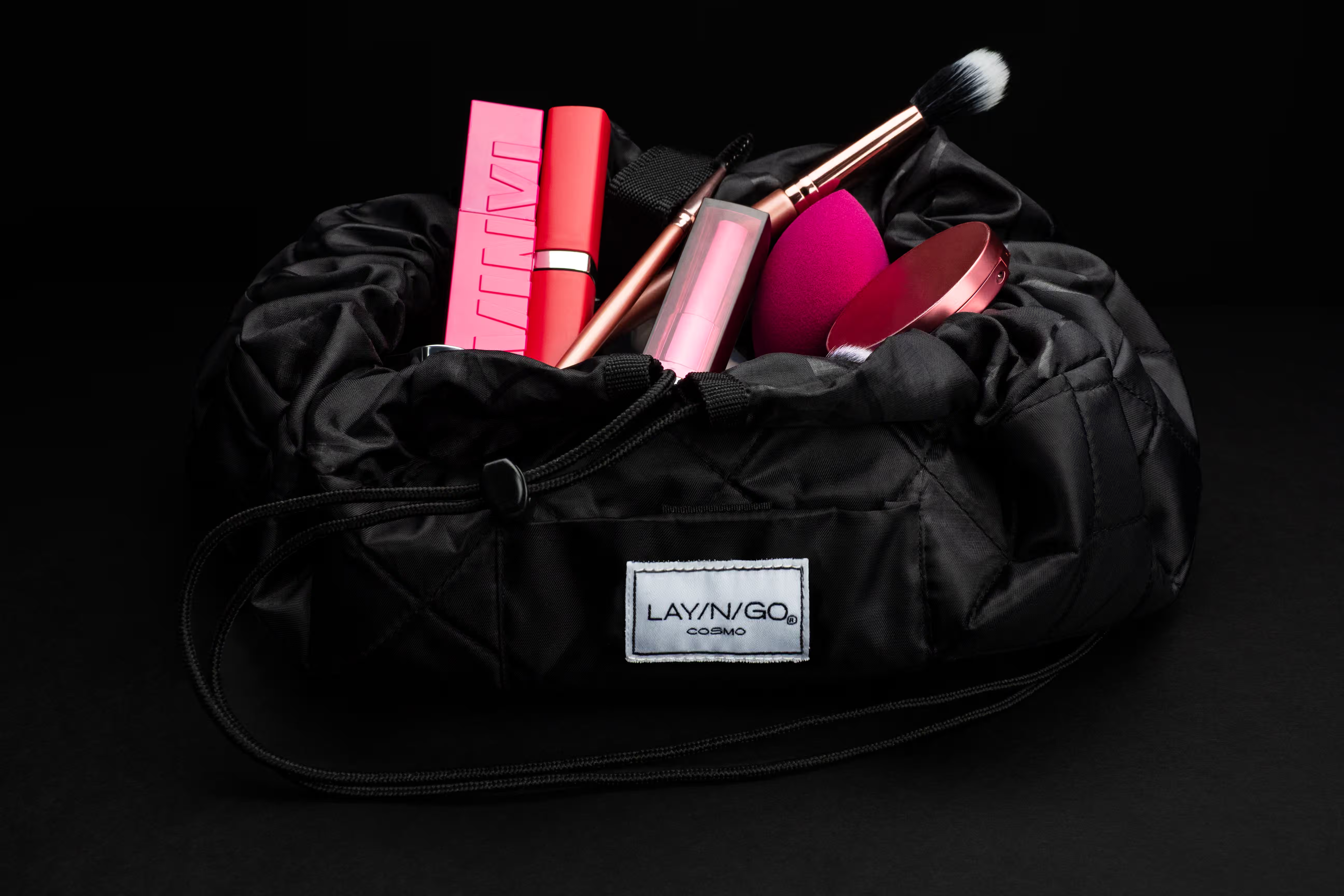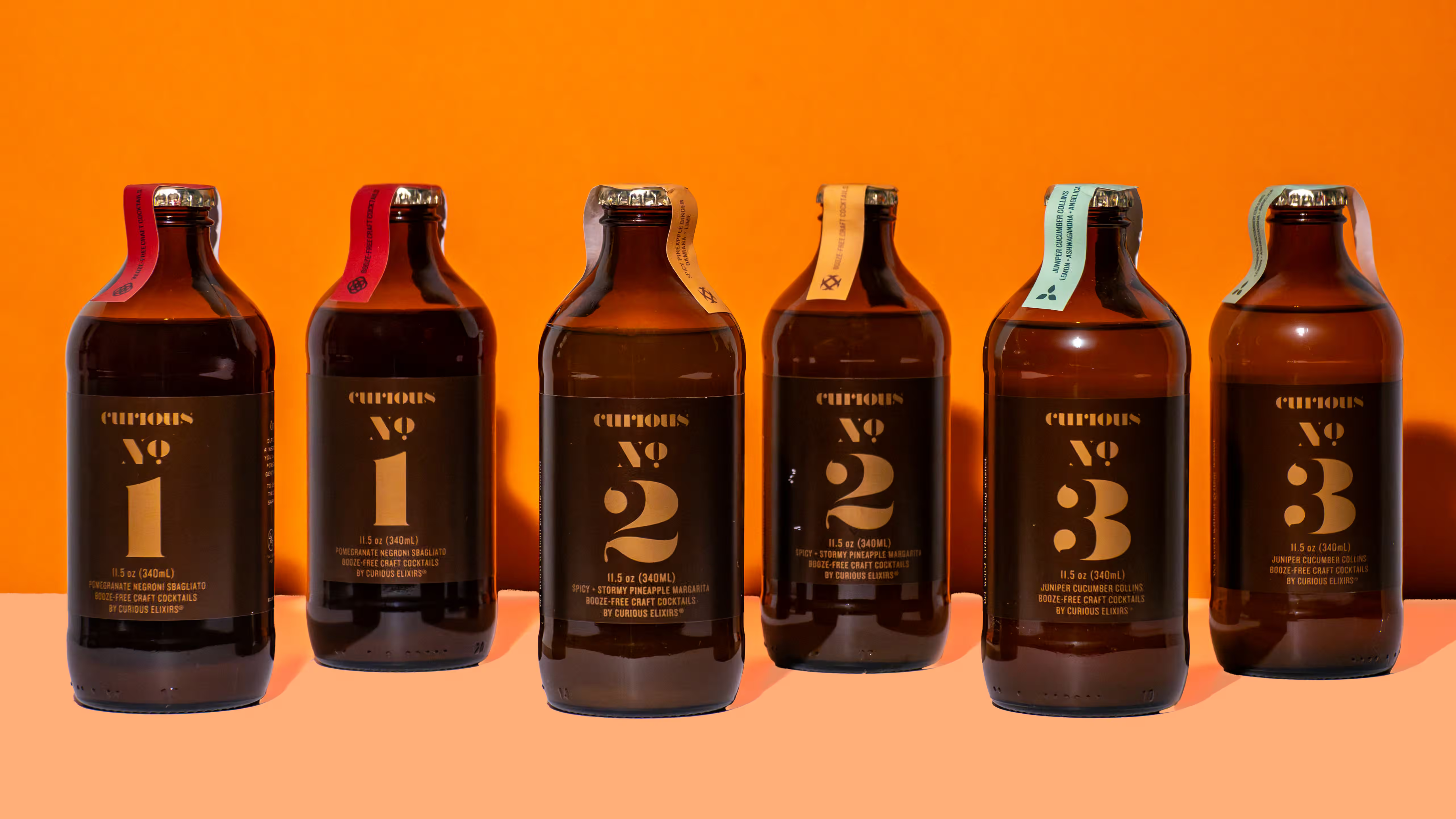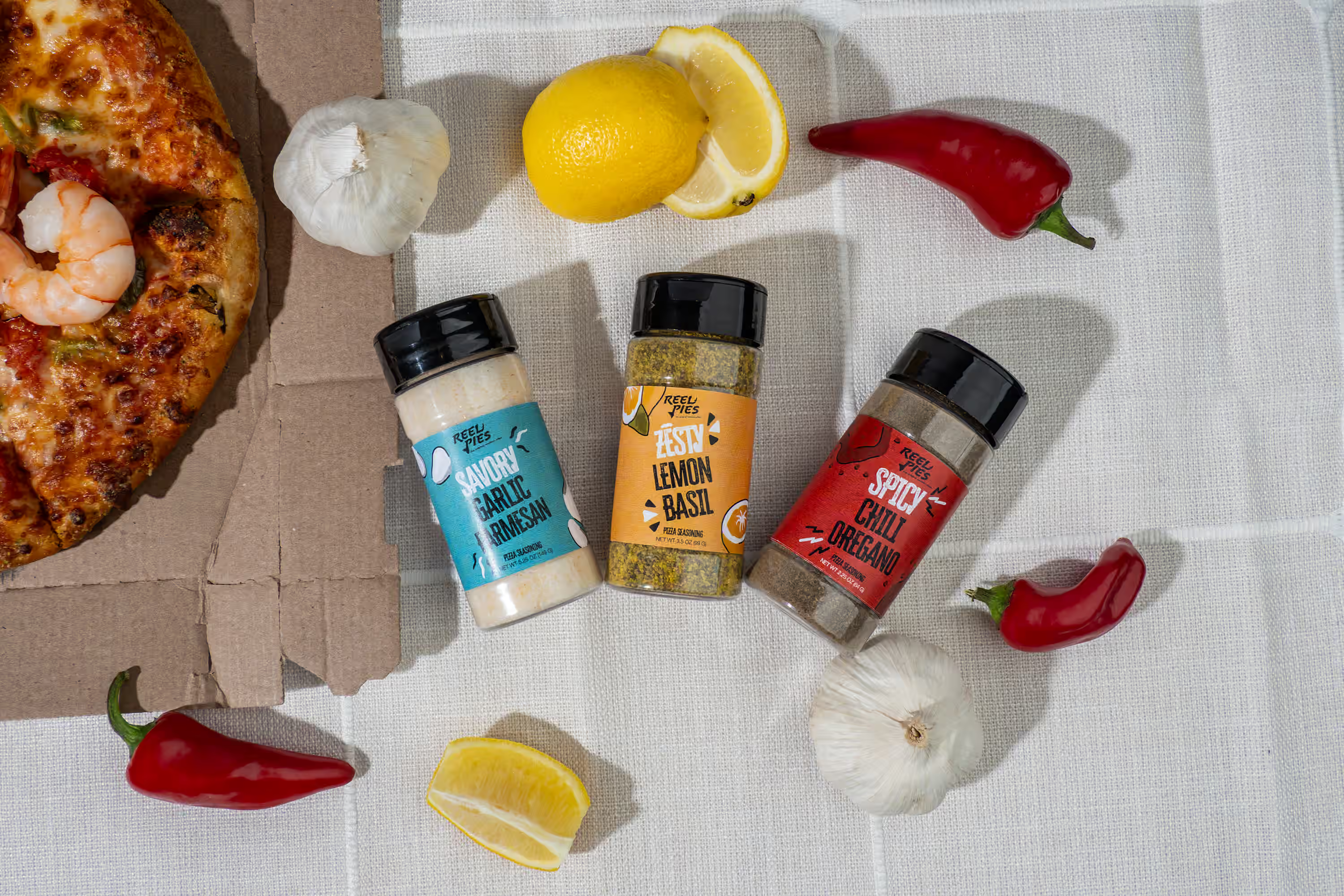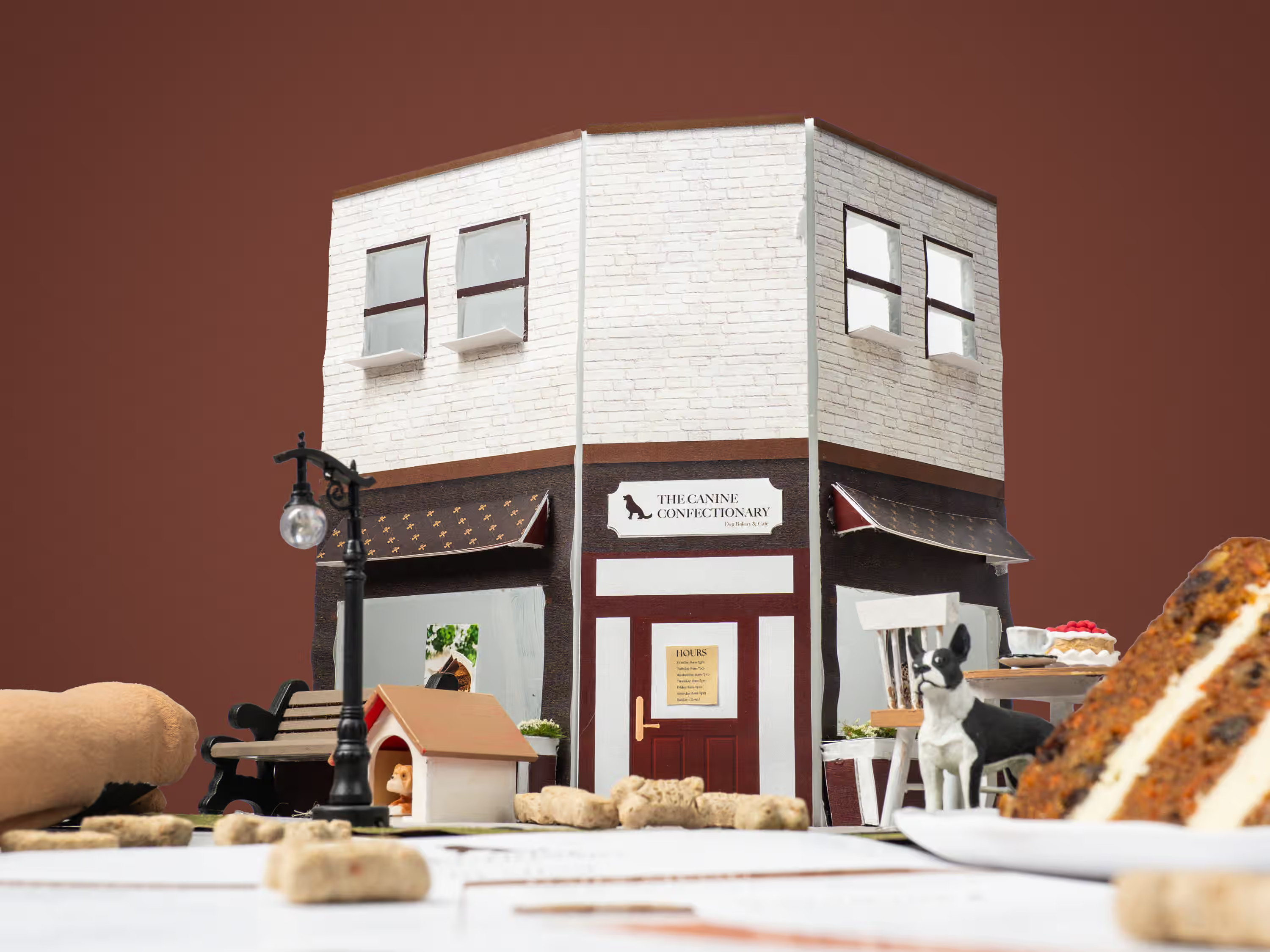
If your brand has a DTC presence, your product page is your shelf space. And right now, your ecommerce photography is either selling for you or losing you money.
According to research compiled by Grabon, nine out of ten online shoppers say product image quality is the single biggest factor in their buying decision. Not price. Not reviews. Not your product description. The photos. For food and beverage brands selling direct-to-consumer, this hits even harder. Your customer has no way to pick up the package, read the label, or feel the quality. Your images do the work for them.
So what does e-commerce photography mean for a CPG brand? And what separates the photos sitting flat on a listing from the ones driving add-to-cart?
What Counts as E-commerce Photography for Food and Beverage Brands?
E-commerce photography means creating images specifically to sell a product online. For food and beverage brands, it goes beyond the standard white-background pack shot (though you need those too).
A complete e-commerce image set for a CPG product includes five types:
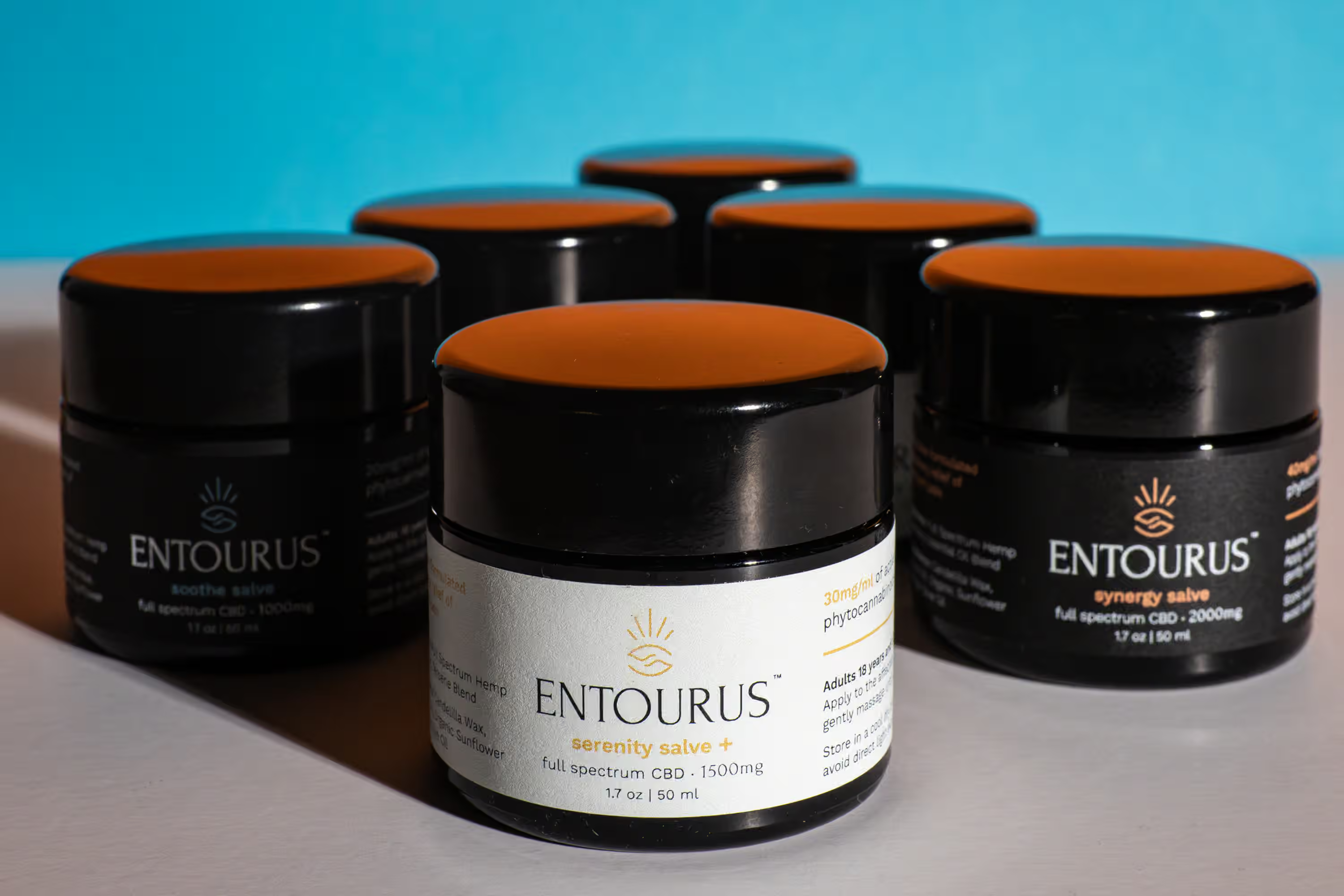
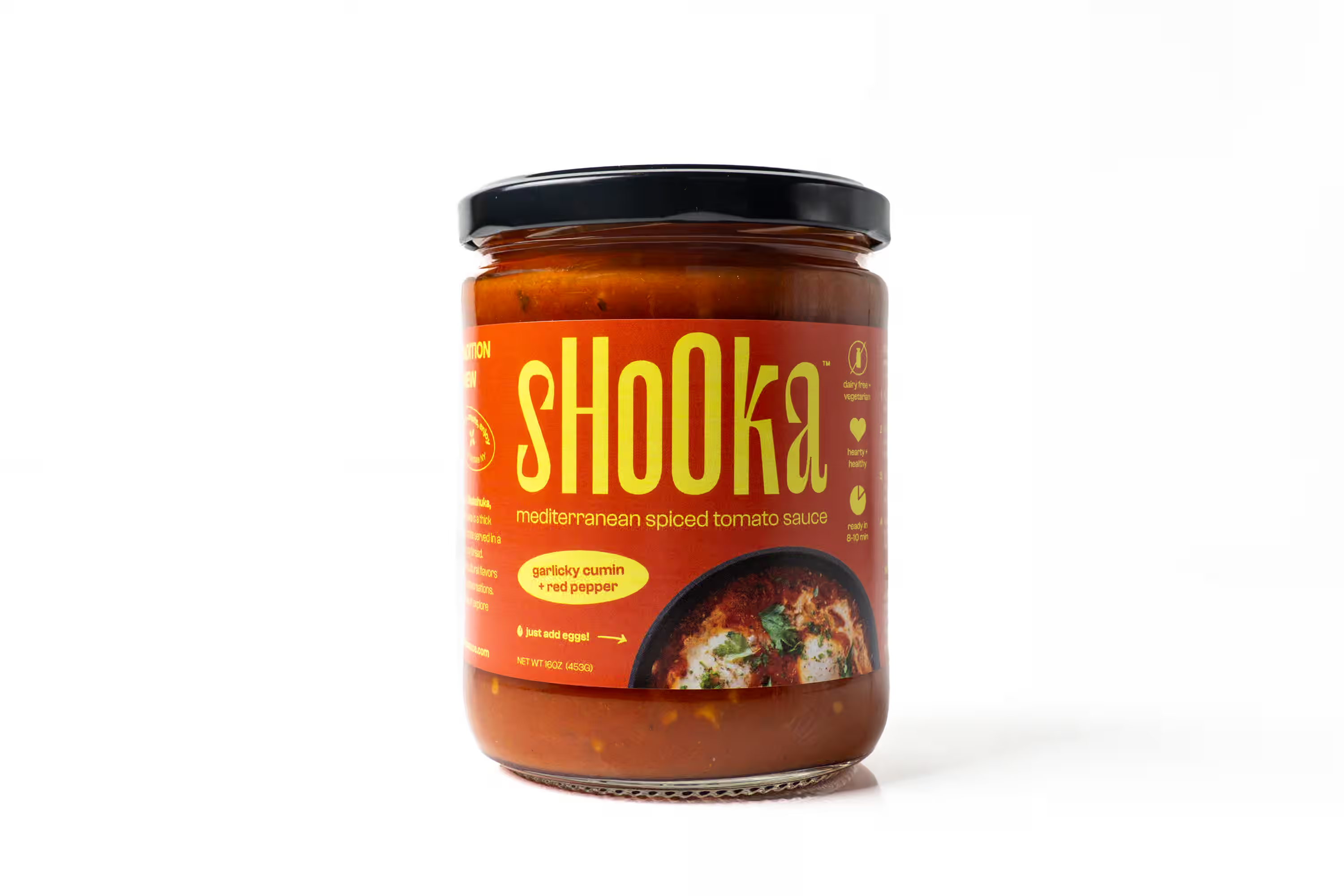
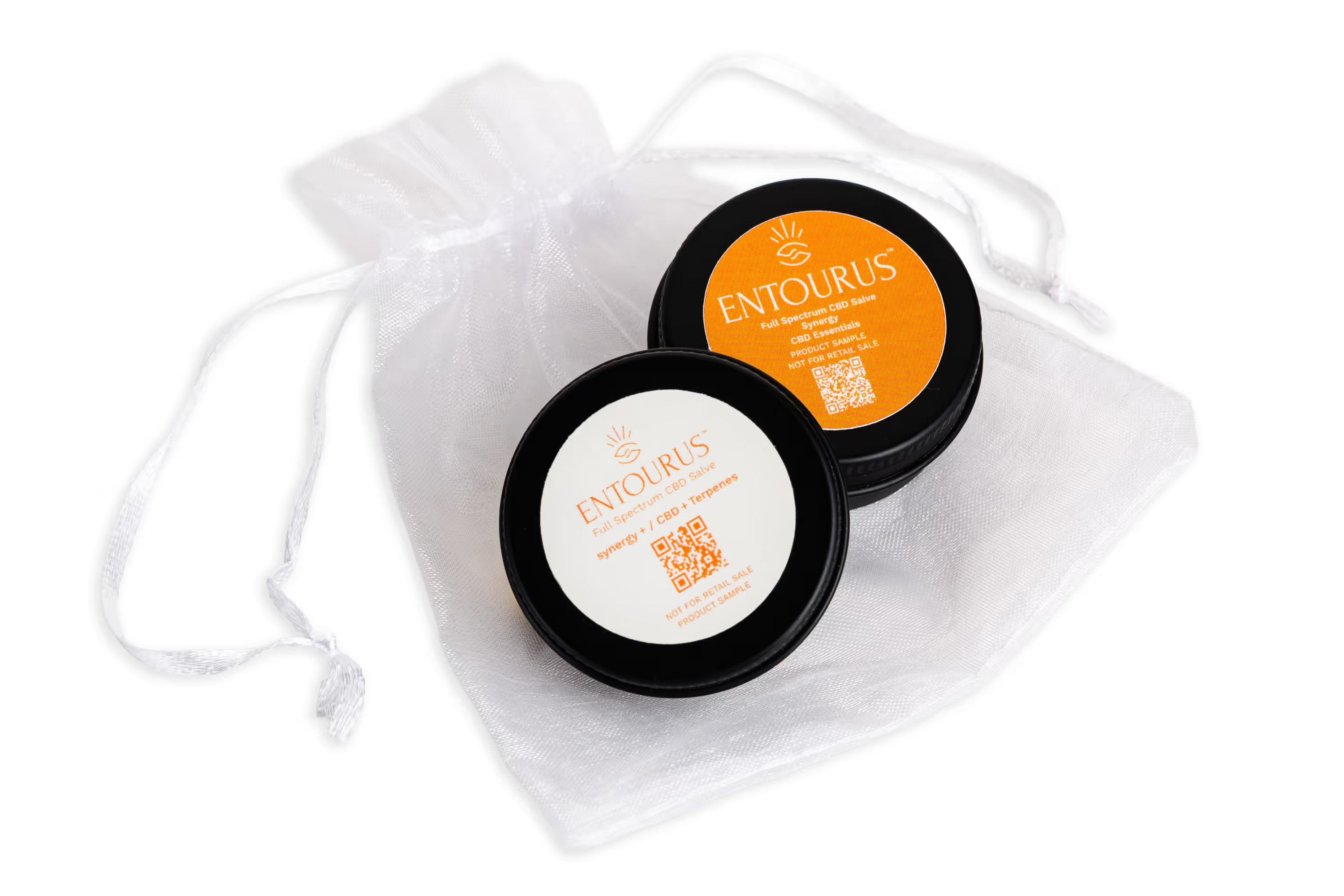
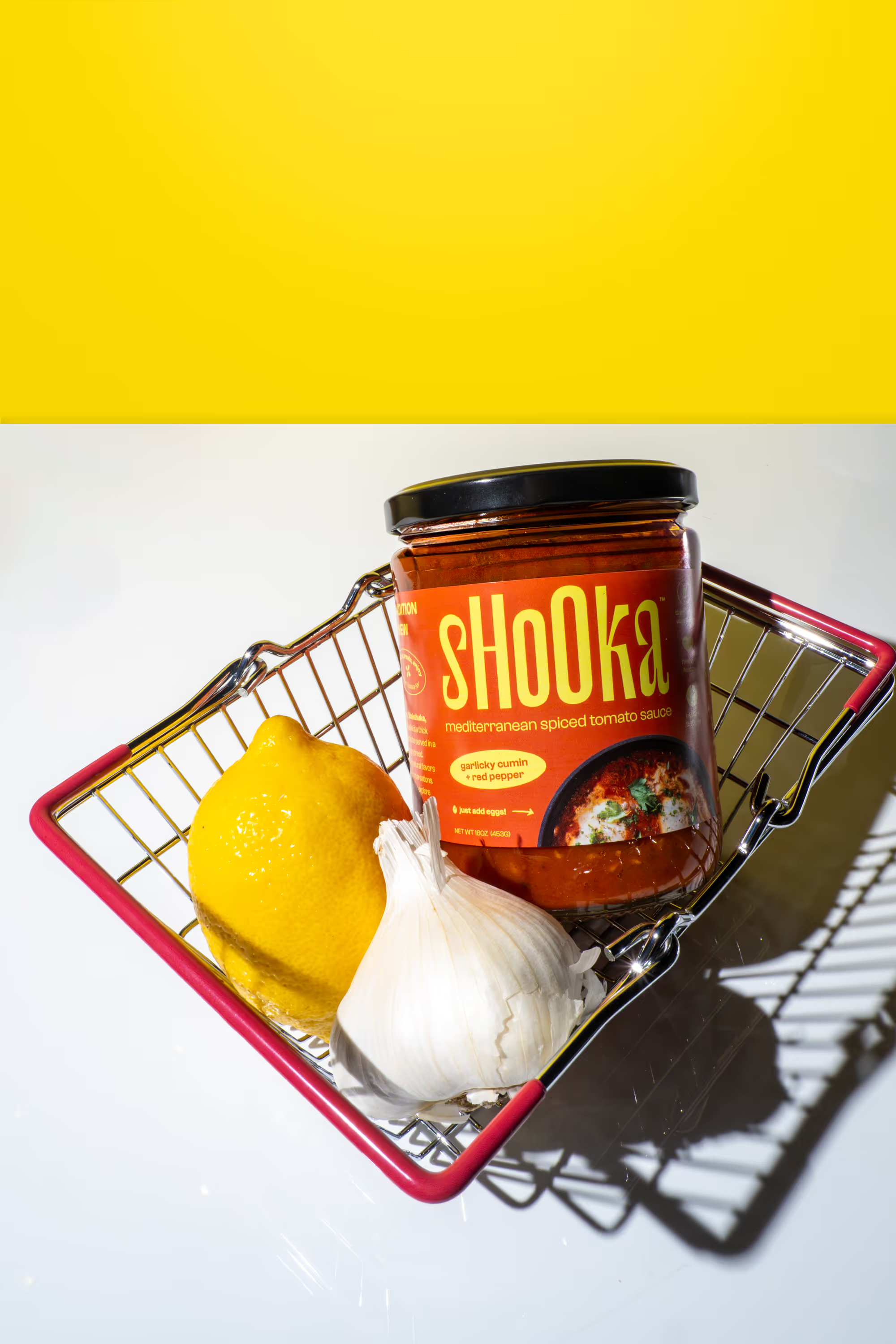
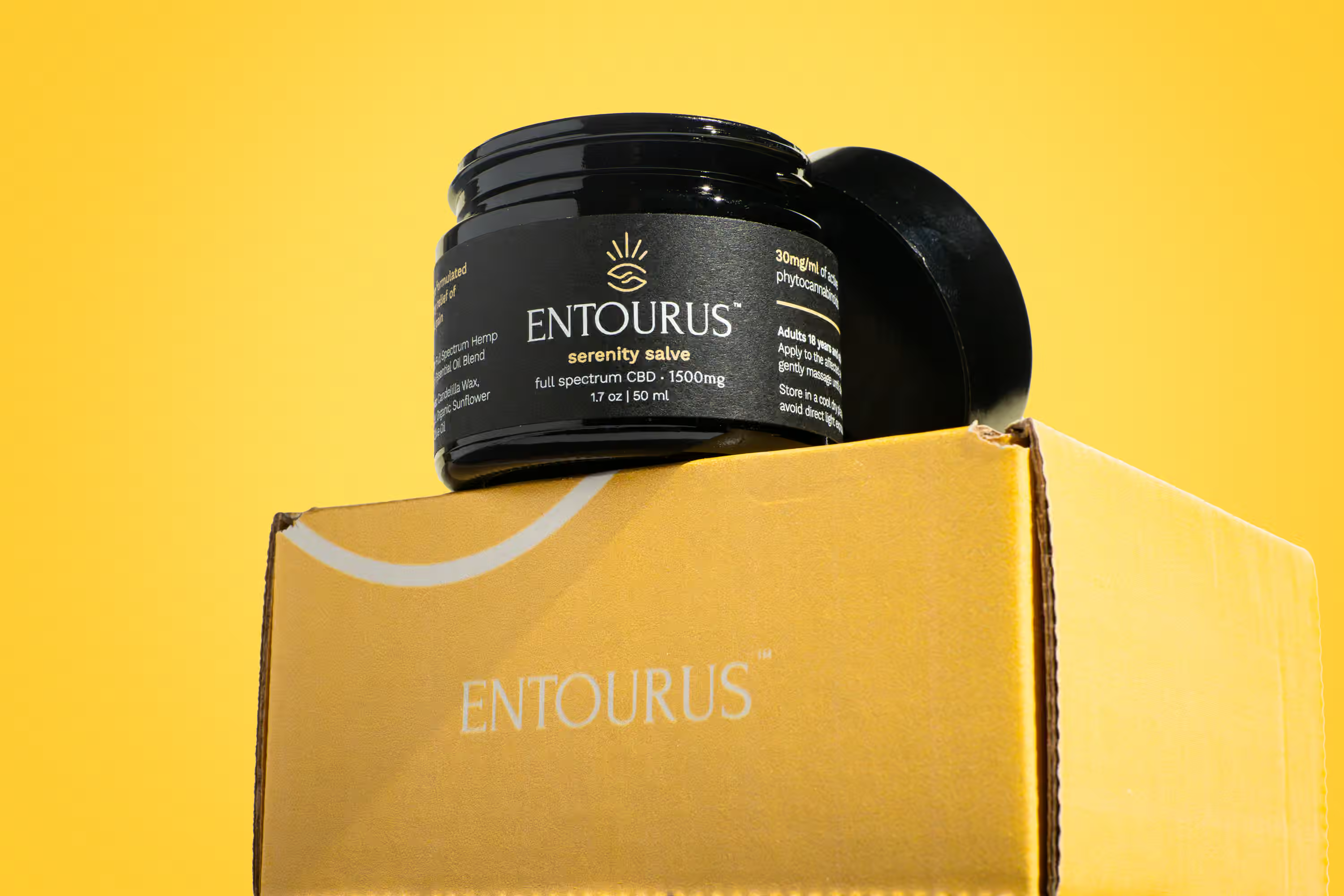
Hero shot. Your front-of-pack image on a clean white or branded background. This is what shows up in search results, category pages, and ads. It needs to be sharp, well-lit, and make your packaging pop. We built hero shots for brands like Entourus and Grater Things, and those became the lead image on their product pages and across third-party retail sites.
Label detail shots. Back panel, nutritional facts, ingredient list. These aren't glamorous, but they build trust instantly. Shoppers comparing two similar products will check the label. If yours isn't there, or if it's blurry, you lose the shopper.
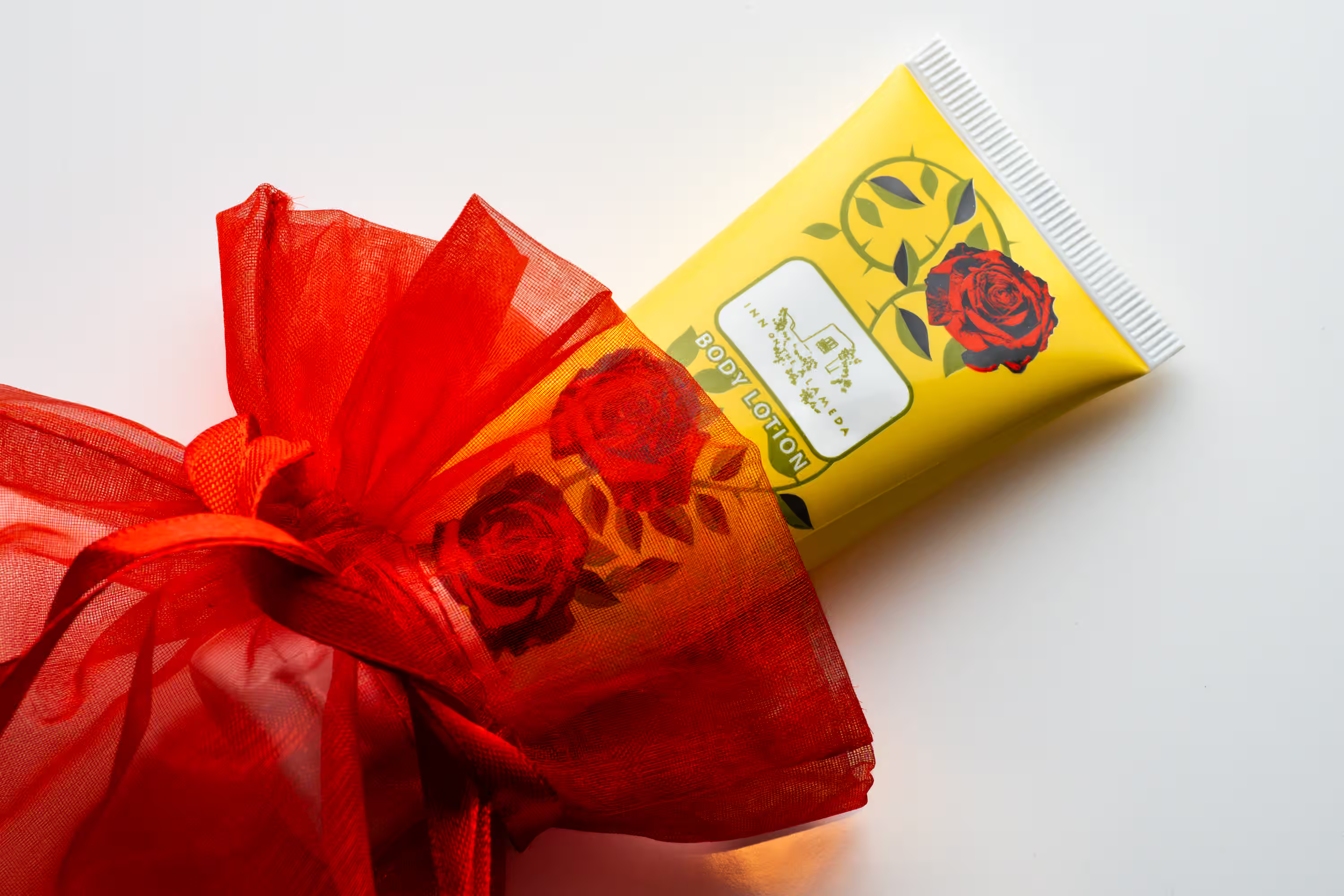
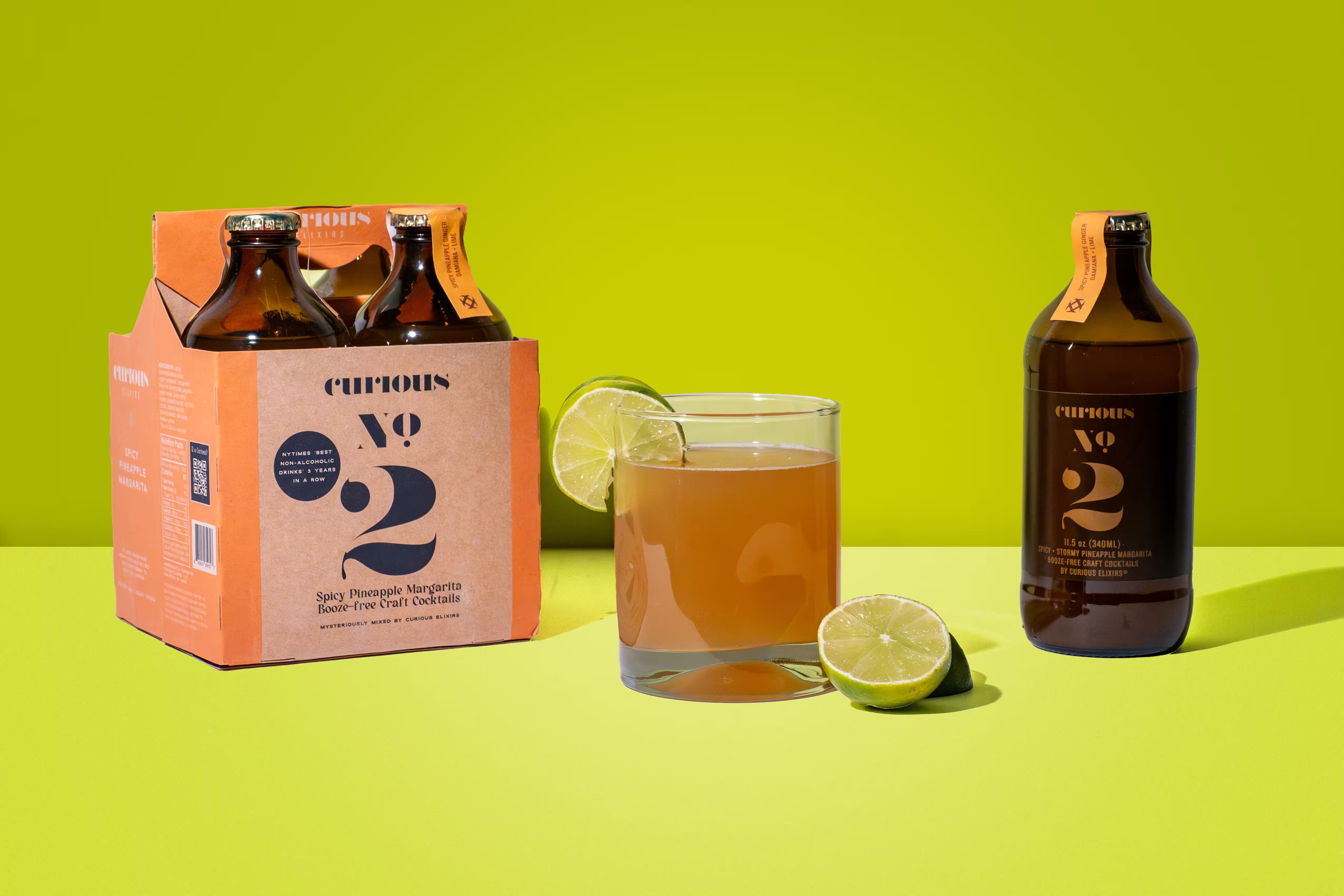
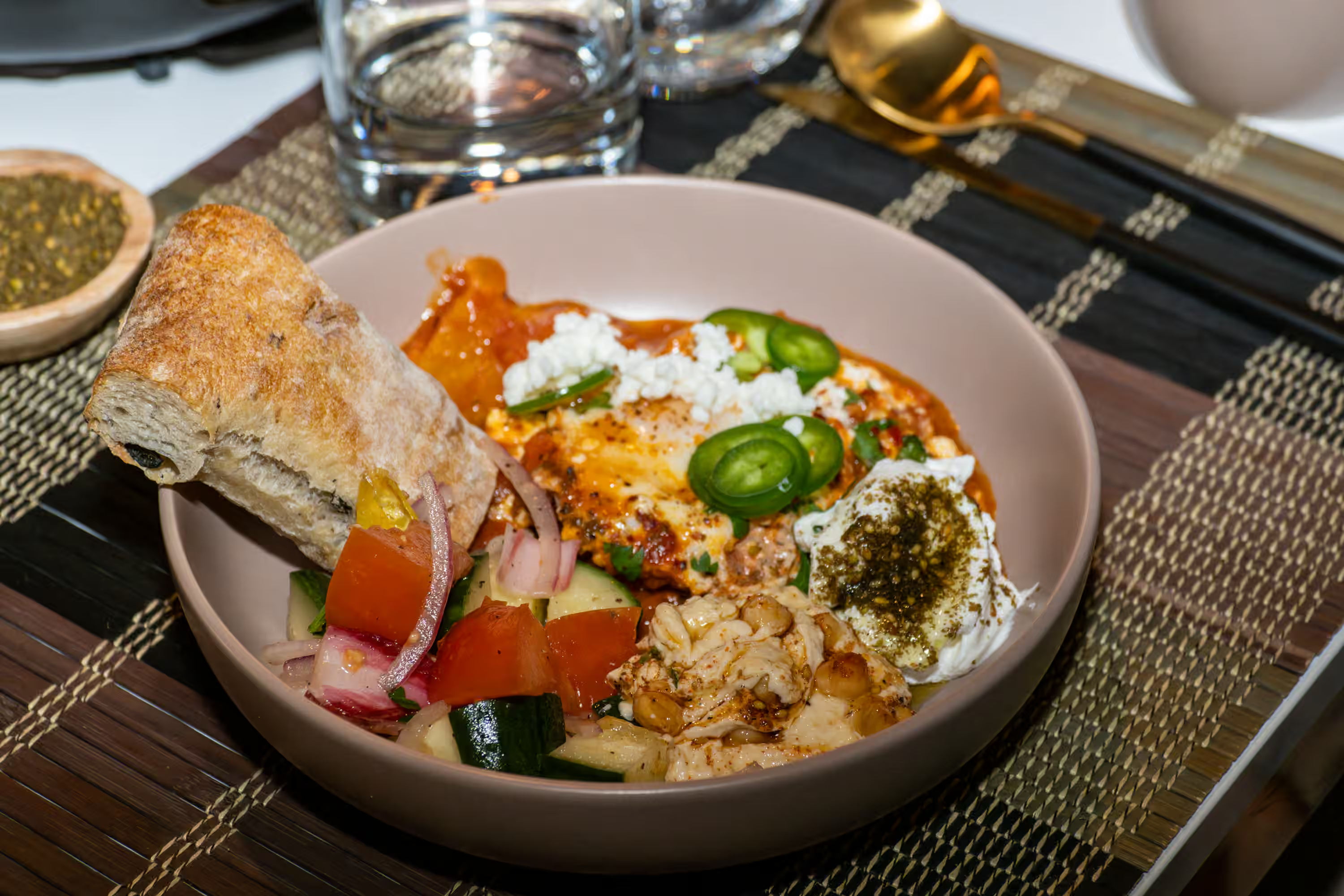
Lifestyle and context shots. Your product in use. A hand pouring it. A table set with it. A cooler packed for the beach. These images answer the question "where does this fit in my life?" and they're what performs best on social and in paid ad creative.
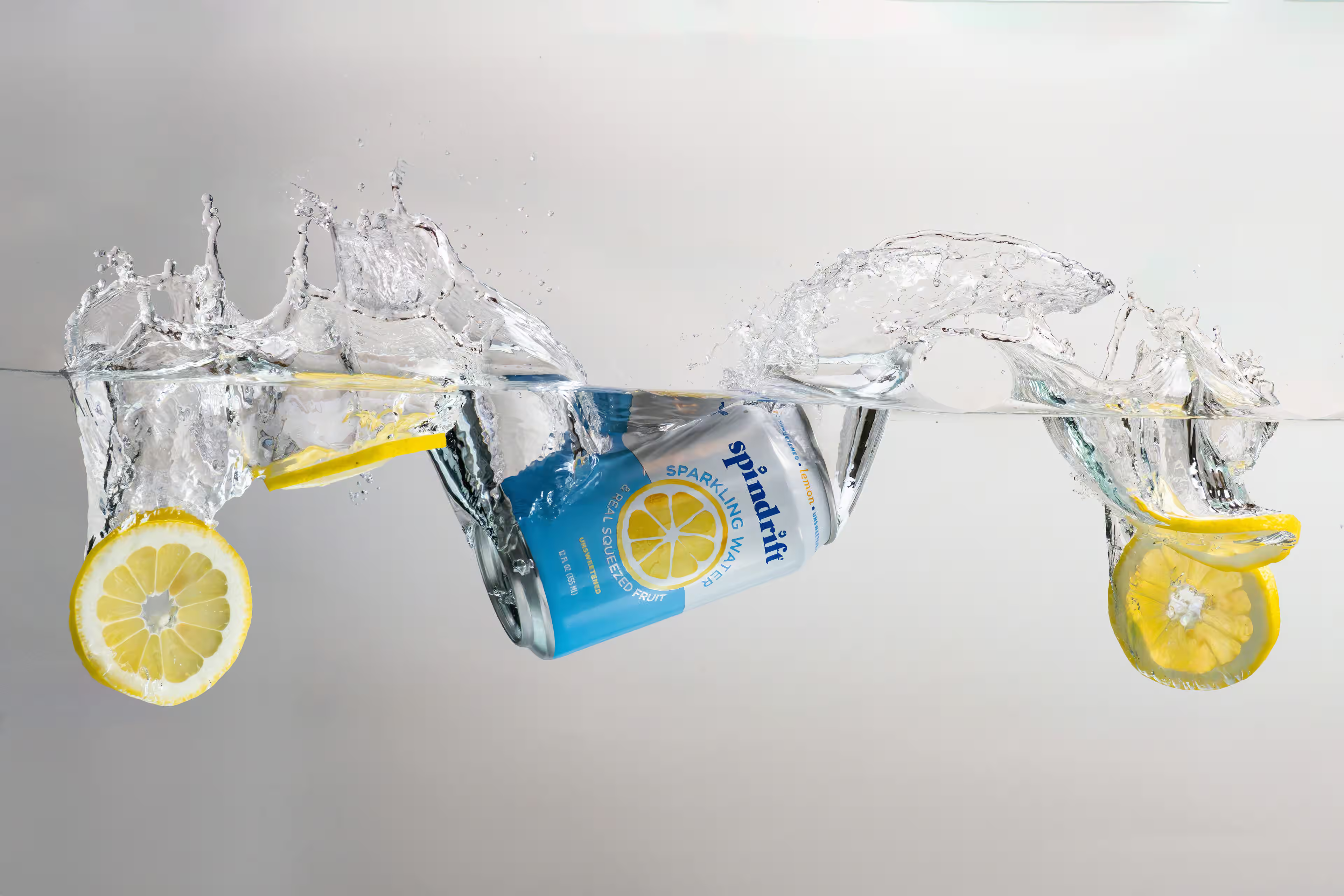
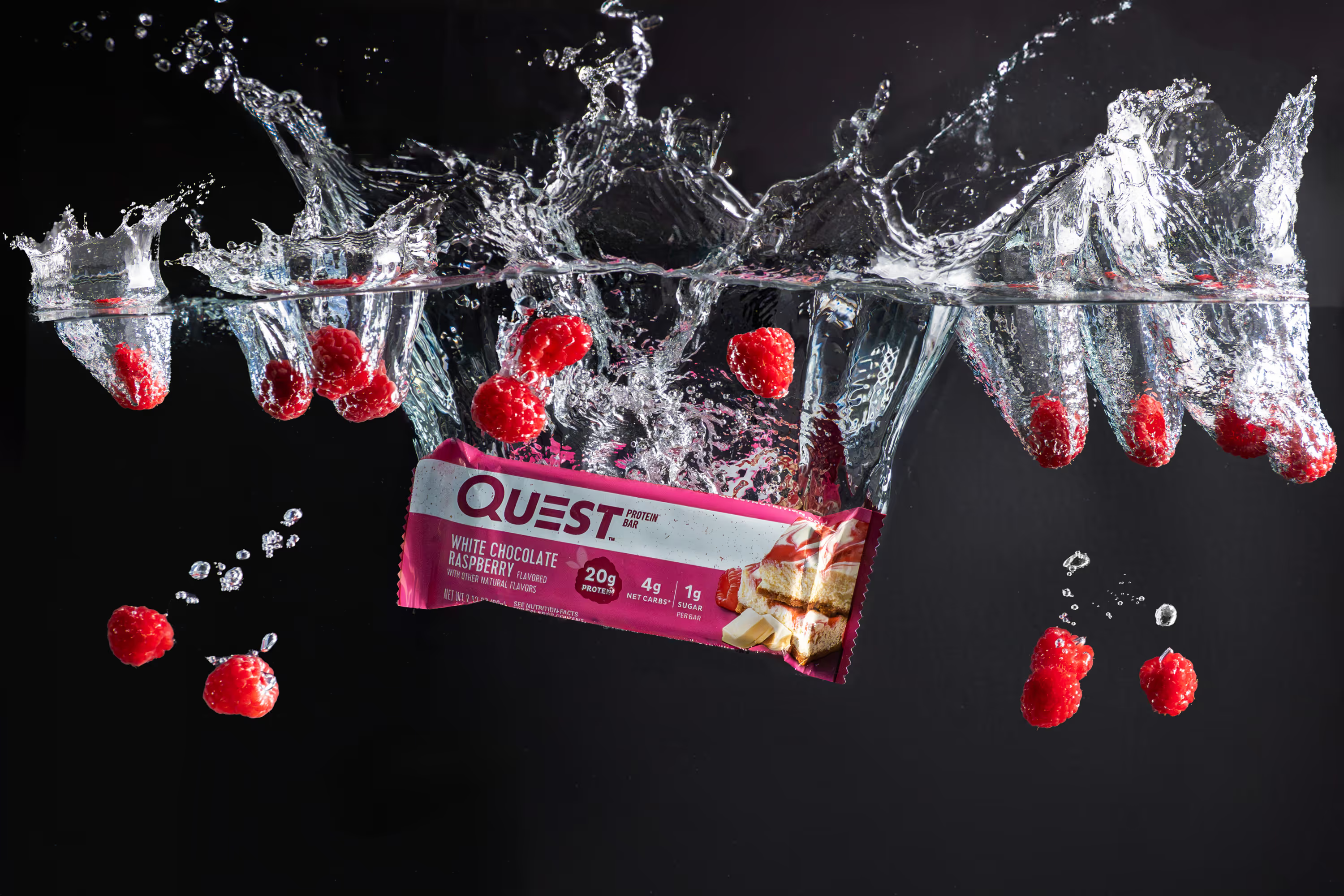
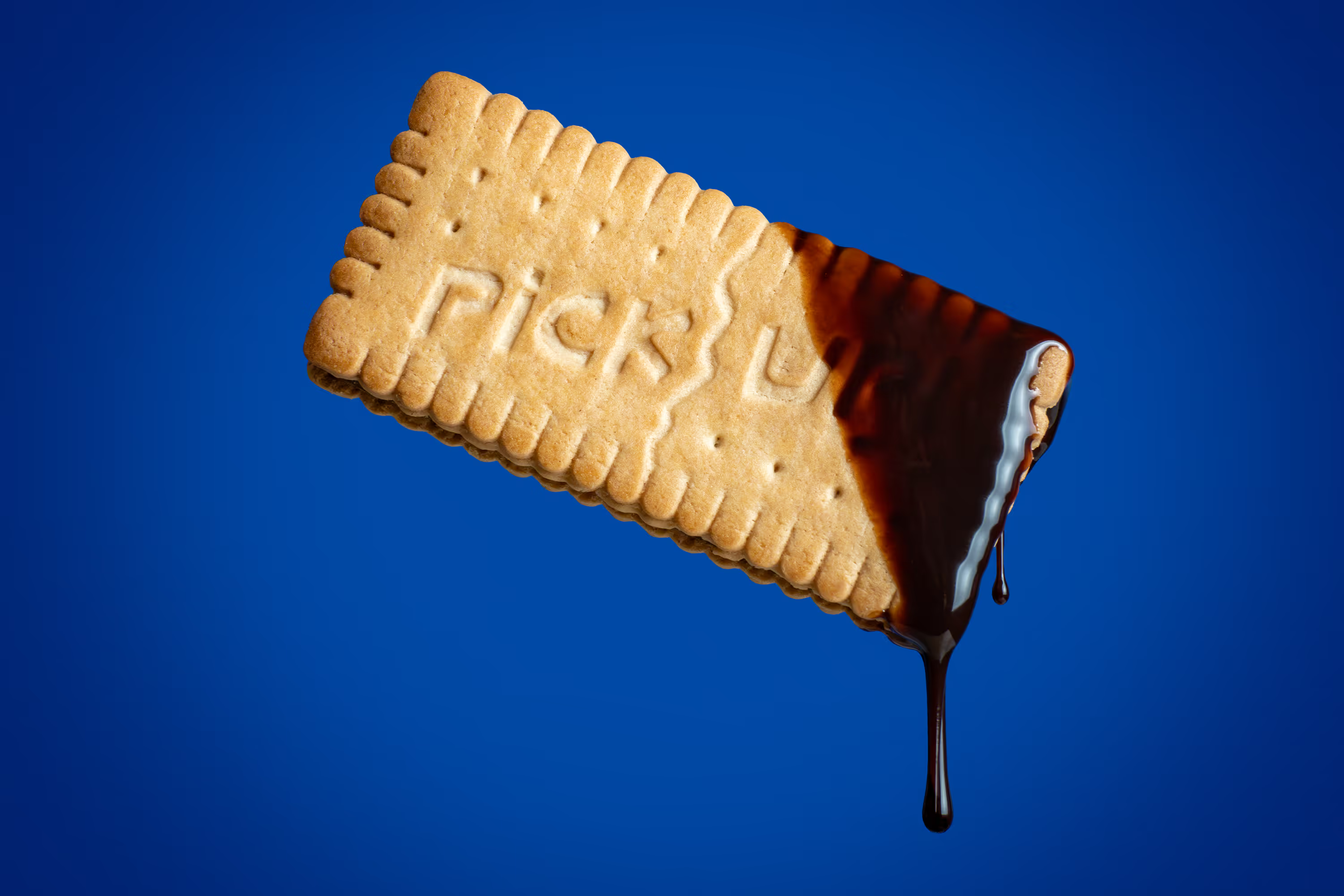
Motion content. Pours, splashes, crumbles, spreads. Food and beverage brands have a built-in edge over other CPG categories here. Motion stops the scroll and creates appetite appeal no static photo matches. Brands using motion-focused visuals in their listings and ads see 20-30% higher engagement rates compared to static-only content.
Infographic images. Graphics overlaying product shots to call out key benefits, certifications (organic, non-GMO, gluten-free), or flavor profiles. These translate your packaging callouts into scannable, mobile-friendly visuals.
At Photos by Lars, we build image sets covering all five of these categories because each one serves a different job in the buying decision.
Why Do Product Photos Matter More Than Product Descriptions?
Half of all e-commerce shoppers buy based on images rather than reading text descriptions. For food and beverage products, this number trends even higher because taste is visual. You eat with your eyes first.
Products with high-quality images convert at a 33% higher rate than those with low-quality visuals. The same research found 22% of product returns happen because the item looked different in person than online. And in a separate A/B test by Skinner Auctions, increasing product image size by 28% led to a 63% jump in conversions.
For your brand, this means your photos aren't a marketing expense. They're a conversion tool. Every dollar you put into better e-commerce photography comes back as fewer returns, higher click-through rates on ads, and more add-to-cart actions on your product pages.
And here's what makes this even more urgent: shoppers decide in seconds. If your hero image doesn't look credible at thumbnail size on a phone screen, they scroll past before reading a single word of copy. Your photos are the first and last filter between a new customer and the back button.
What Images Do You Need for a Product Listing to Convert?
If you're building or refreshing a product listing on Shopify, Amazon, or your own DTC site, here's the image framework we recommend to every CPG brand we work with:
Image 1: Hero pack shot. Clean, white, or light background. Front of package, well-lit, label fully readable. This is non-negotiable.
Image 2: Back panel / nutritional info. Show the full nutritional facts and ingredient list. Shoppers making health-conscious decisions need this.
Image 3: Lifestyle shot. Product in context. Someone using it, serving it, or enjoying it in a real-world setting.
Image 4: Ingredient or flavor callout. An infographic-style image with your key benefits, certifications, or flavor descriptions overlaid.
Image 5: Motion or pour shot. A splash, a pour, a crumble. This creates appetite appeal and separates your listing from every competitor using flat, static pack shots.
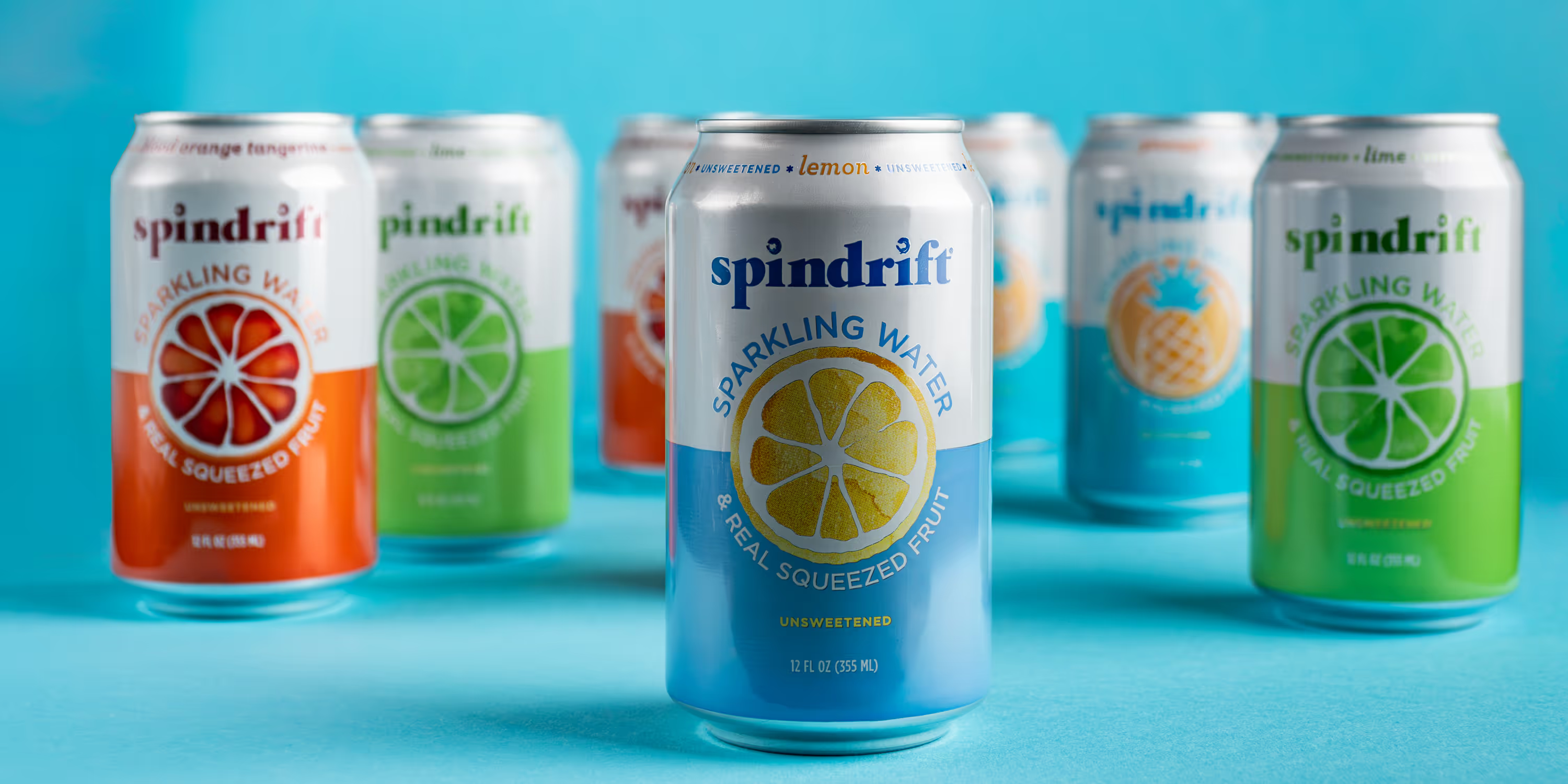
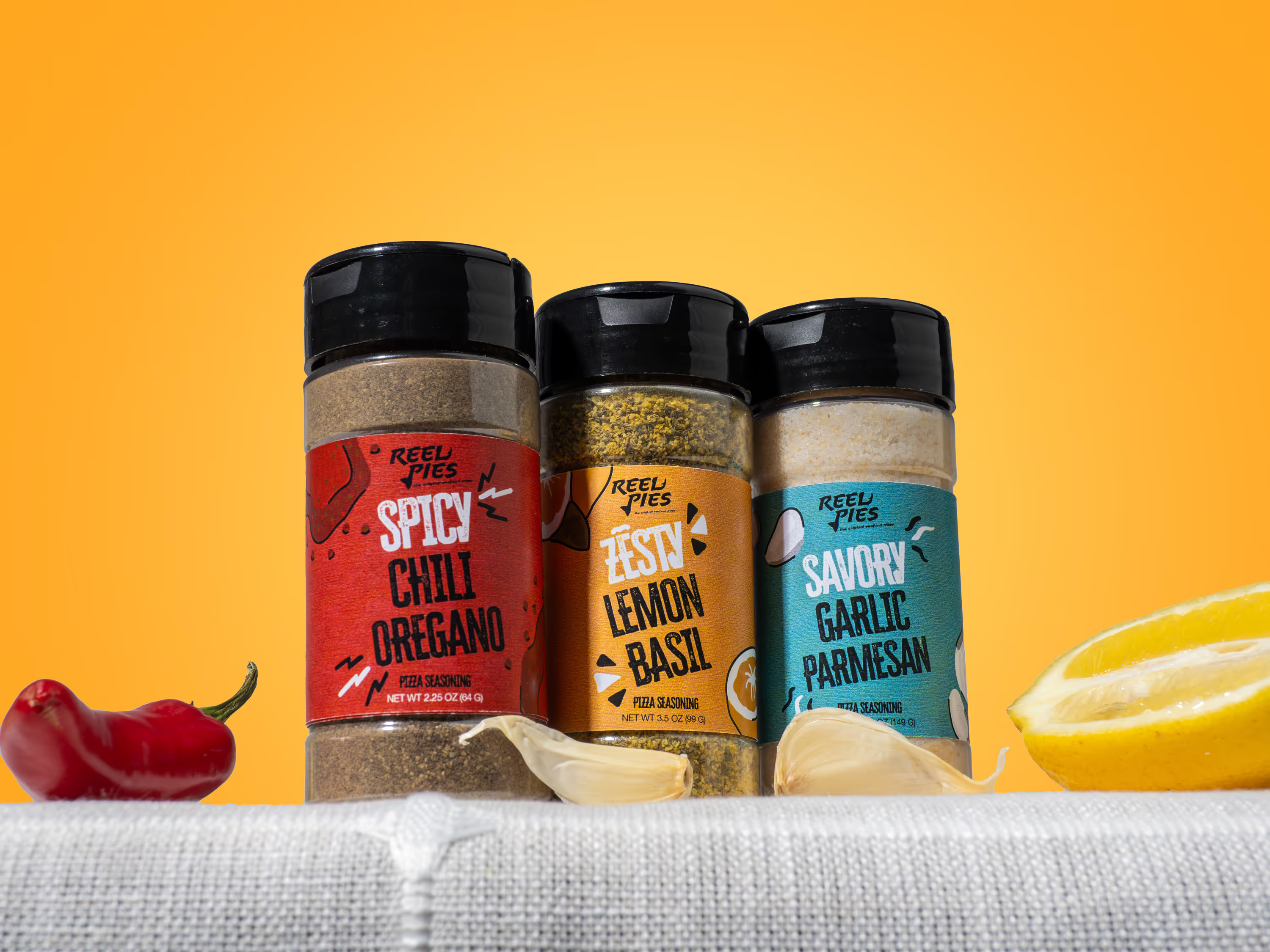
Image 6: Bundle or variety shot. If you sell multiple flavors or sizes, show them together.
Image 7: Scale or size reference. Show the product next to something familiar so shoppers understand what they're getting. This alone reduces returns.
Not every product needs all seven. But brands investing in a complete image set across their listings consistently outperform those running three or four generic photos. We build our shoots around your goals and deliver a full image set from a single session, with final files in your hands within 3 to 5 days, so you're not waiting around to launch.

How Do You Know If Your Current Product Photos Are Hurting Sales?
The best brands are proactive and always seek incremental improvements. Here are some signs your visuals need a little more love:
The label isn't readable at thumbnail size. On mobile, your product image shrinks to roughly the size of a postage stamp. If a shopper scrolls past without reading the product name, you've lost them.
Fewer than five images on the listing. Shoppers expect variety. Amazon and Shopify both give you space for multiple images because they know it improves conversion. Empty image slots signal an unestablished brand.
The same photos running everywhere. Amazon hero, Instagram feed, website banner, and ad creative all need different crops, compositions, and contexts. One photo doing five jobs does none of them well. If you're still in the early stages and bootstrapping, reusing photos is fine. But as your brand grows and you have less personal connection with each customer, your photos need to carry more of the trust-building work.
A visible gap between your quality and your competitors'. Pull up the search results page for your category. If competitor images look sharper, brighter, or more professional, shoppers will notice. Baymard Institute's UX research found low-quality images drag down how shoppers perceive product quality, with 25% of ecommerce sites still failing to provide images with sufficient resolution.
We built the Brand Visual Scorecard for exactly this reason. It takes two minutes and gives you a clear picture of where your visuals stand across six categories, from product pages to social content.
Common Questions
How many product photos do I need for each SKU?
For a DTC food or beverage product, aim for five to seven images per SKU. At minimum, you need a hero shot, a back label shot, and a lifestyle image. Adding motion content, ingredient callouts, and scale reference shots rounds out the set and gives you assets for both your product page and ad campaigns.
Is it worth hiring a photographer or should I do product photos myself?
DIY works when you're pre-revenue and testing a concept. Once you're selling and running ads, professional photos pay for themselves. At Photos by Lars, we handle everything from pre-production to delivery so the process stays low-effort on your end while making sure you see a strong return from every shoot.
Do I need different photos for Amazon versus my Shopify store?
Yes, because these are fundamentally different shopping environments. Your Shopify store is your website, and you control the full experience, so you have room to represent your brand with lifestyle shots, branded backgrounds, and motion content. On Amazon, you're competing against dozens of similar products on a single search results page, which means your hero image needs to stand out at thumbnail size with strict white-background requirements. We wrote a full breakdown on designing product photos for Amazon vs. DTC if you want the detailed playbook.
What's the difference between product photography and lifestyle photography?
Product photography isolates your item on a clean background to show packaging, labels, and details clearly. Lifestyle photography places your product in a real-world setting to create context and emotional connection. You need both. Product shots build trust and communicate facts, while lifestyle shots build desire and tell your brand's story.
How often should I update my product photos?
Definitely update whenever you change your packaging. Beyond packaging changes, it's always good to bring in more variety. We encourage most brands to add fresh content about once a year, especially around seasonal campaigns, new flavor launches, or major retail pushes.
Your Product Page Is Your First Impression
The brands winning online aren't the ones with the biggest ad budgets. They're the ones whose visuals make shoppers feel confident enough to click "add to cart."
If you're not sure where your product imagery stands right now, we put together a free Brand Visual Scorecard grading your visuals across six categories and showing you exactly where to focus. Takes two minutes, and you'll walk away with a clear next step.
And if you're ready to talk about a shoot, book a call with us. We'll walk through your current assets, your goals, and how we'd approach it for your brand.