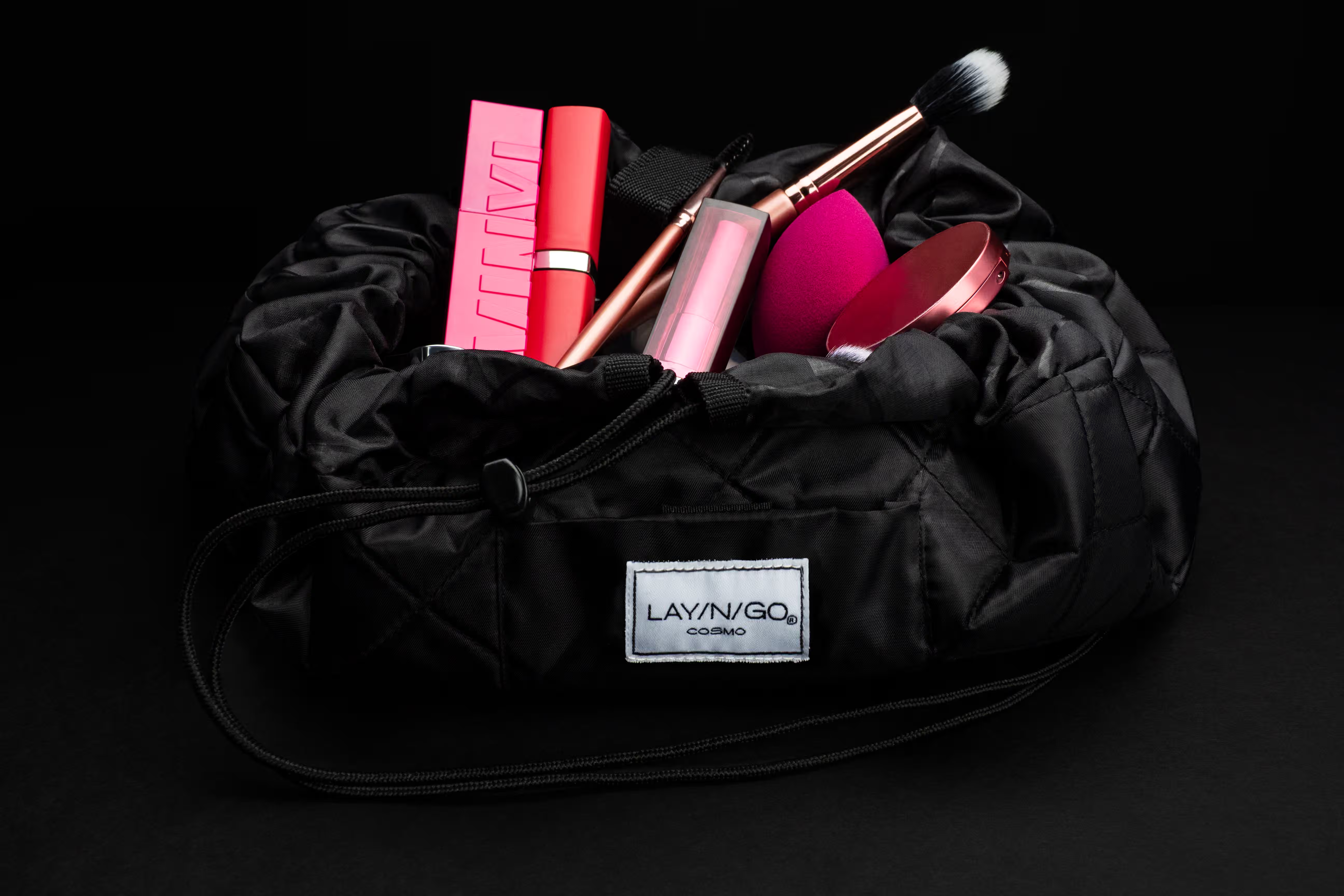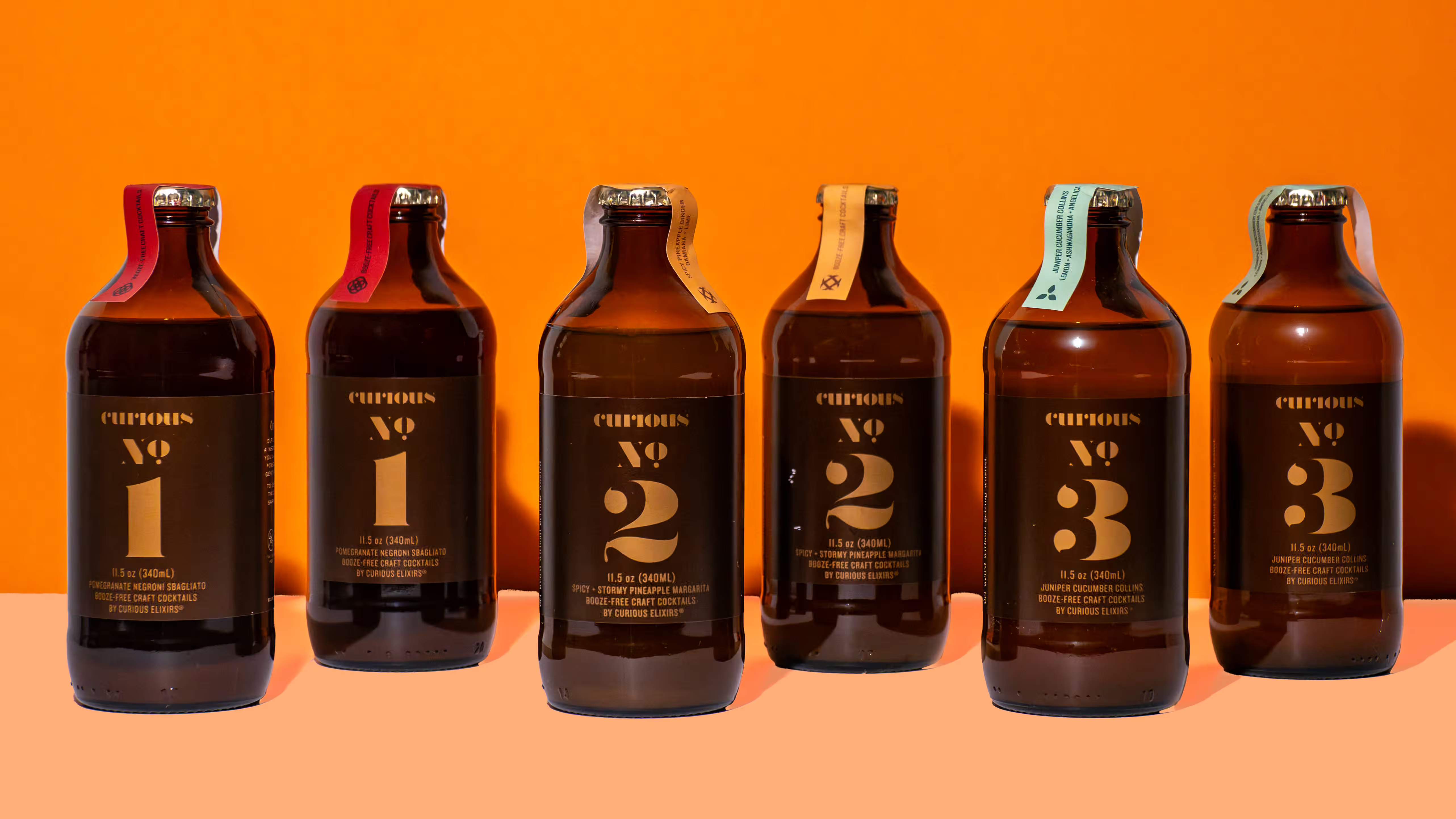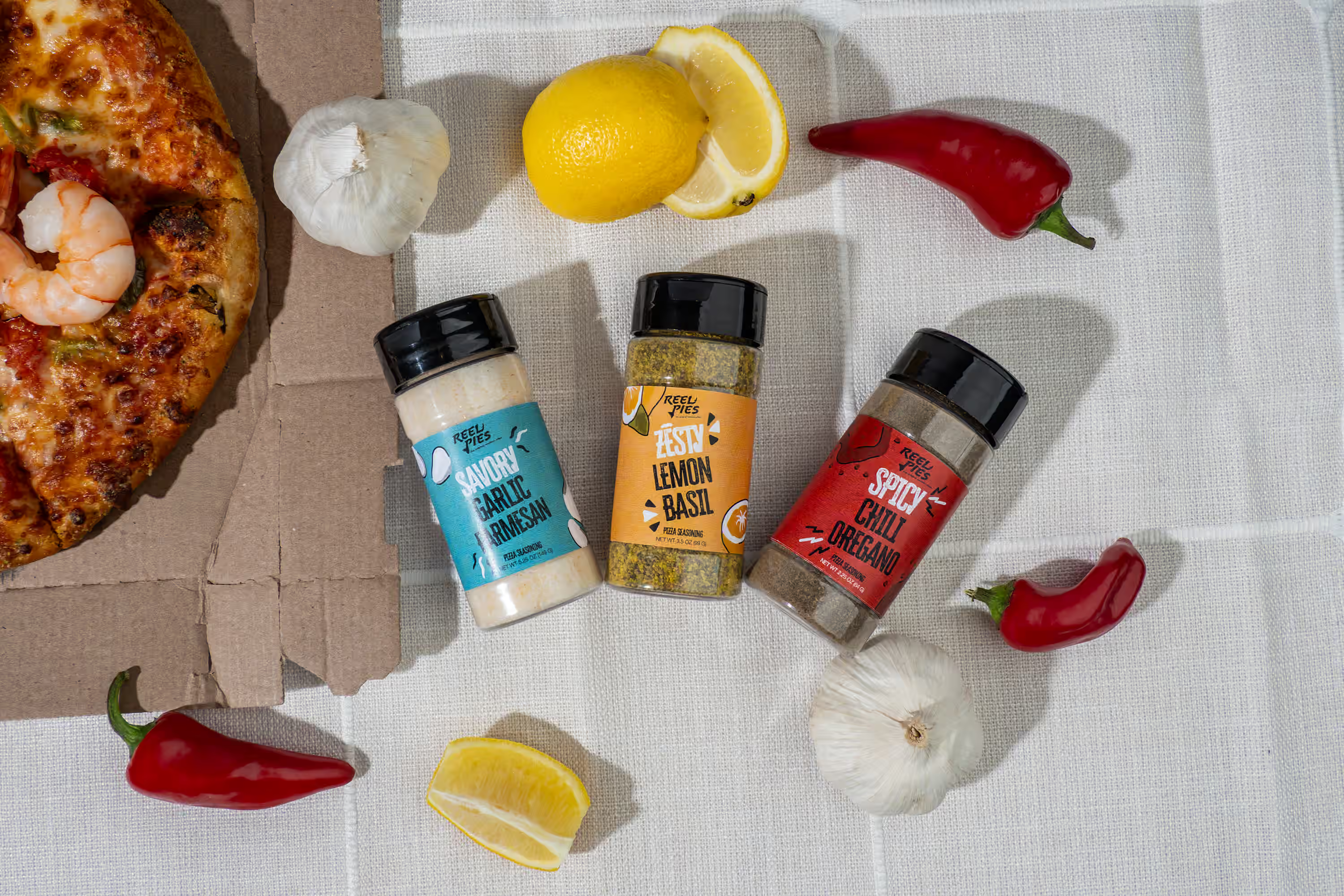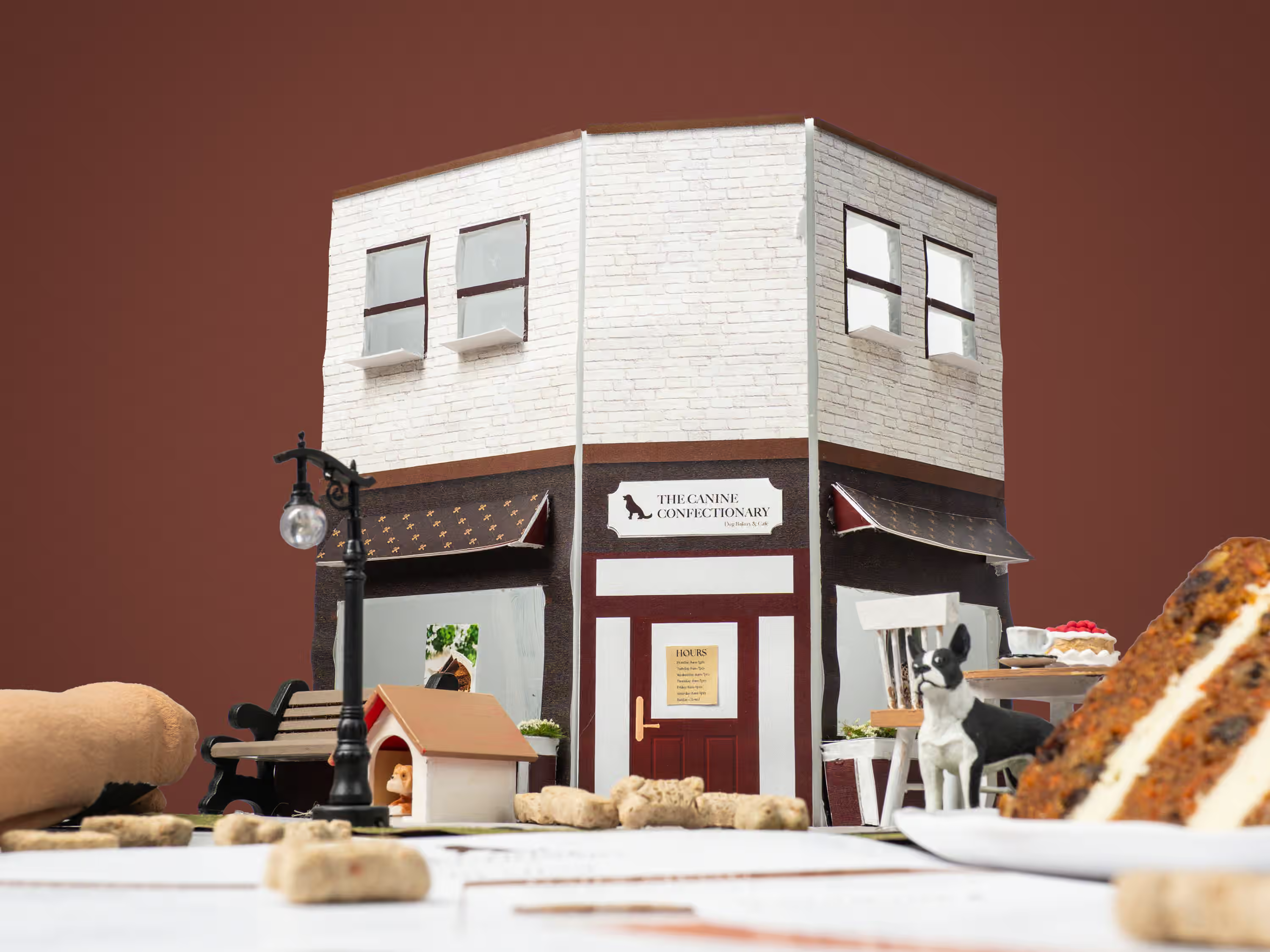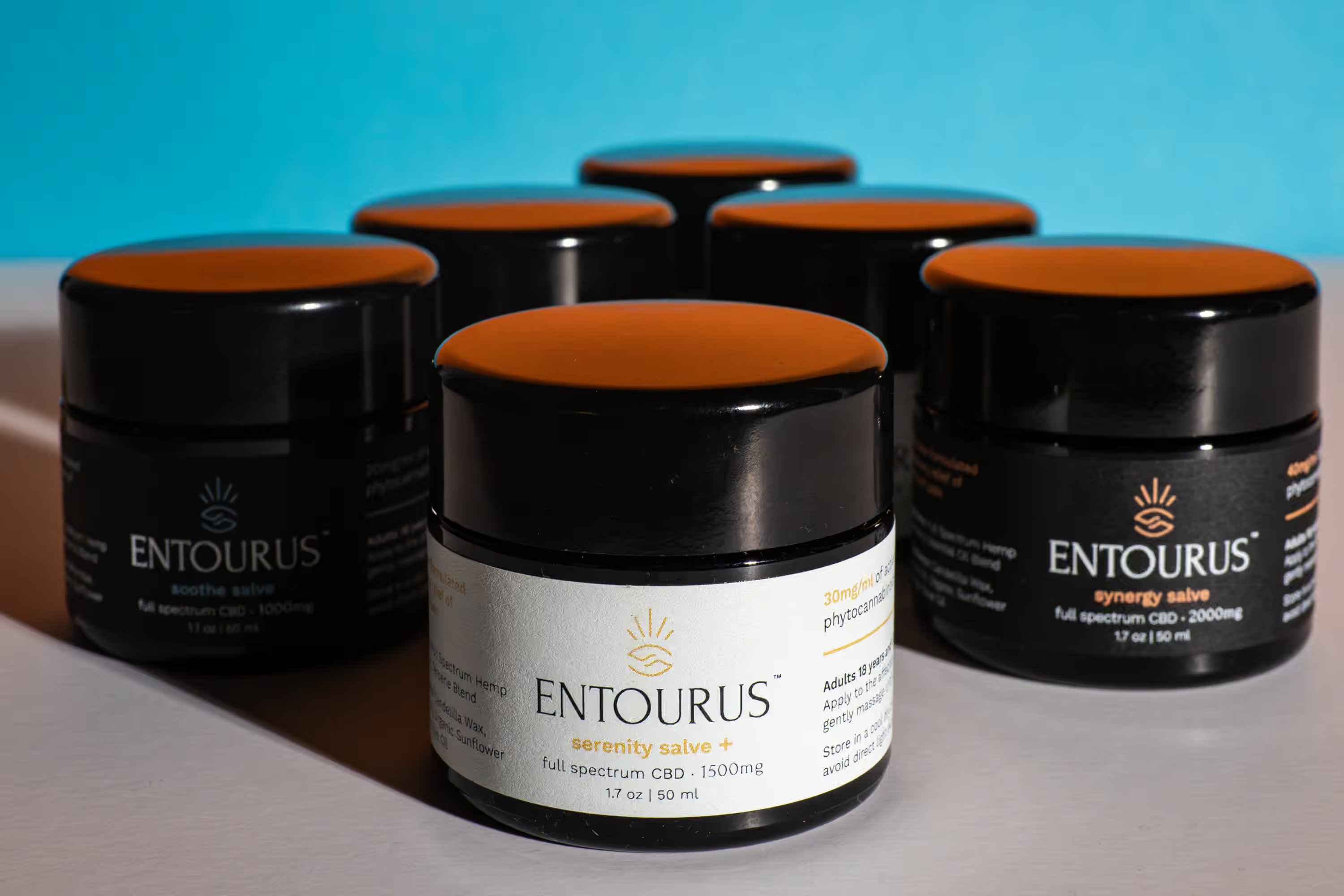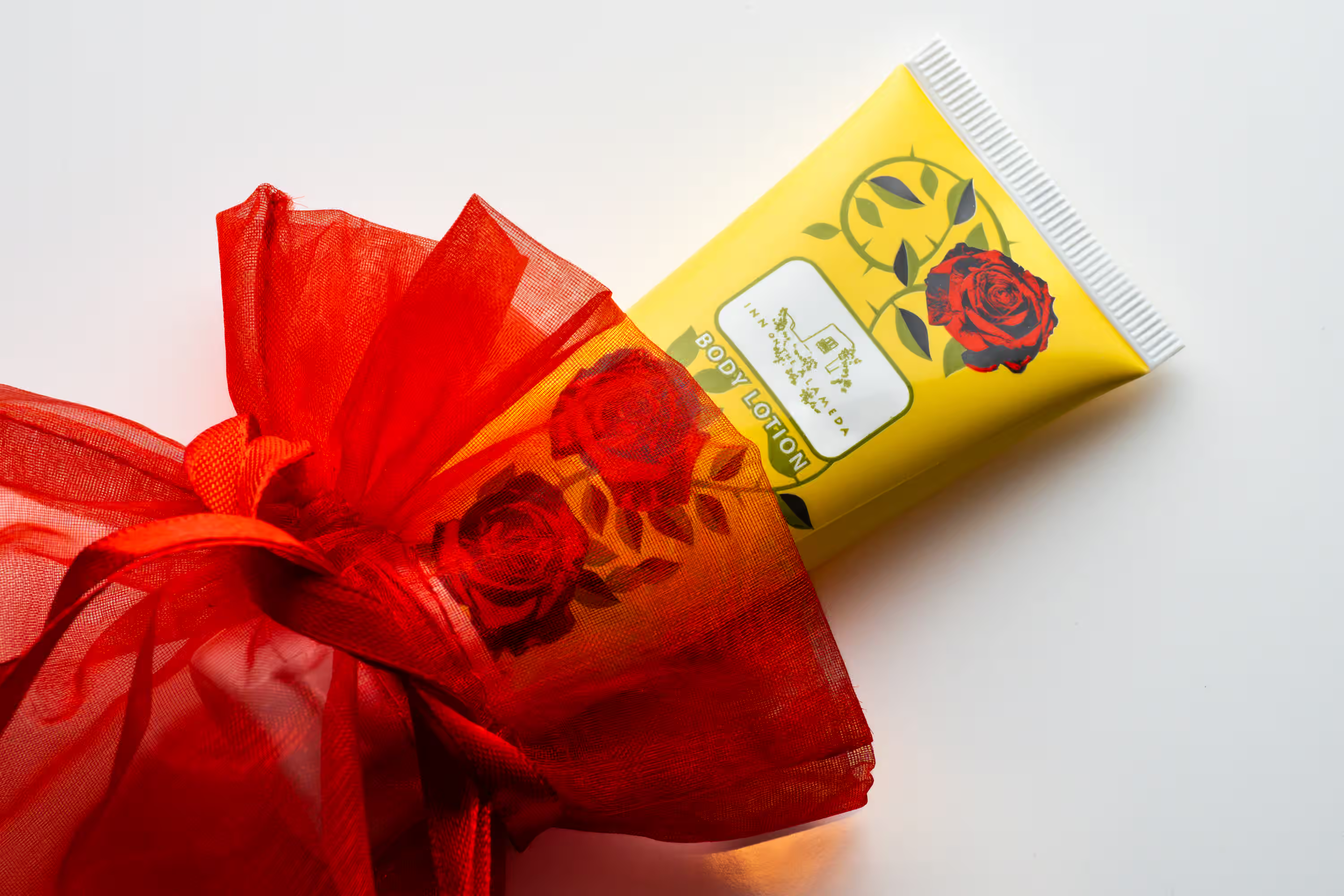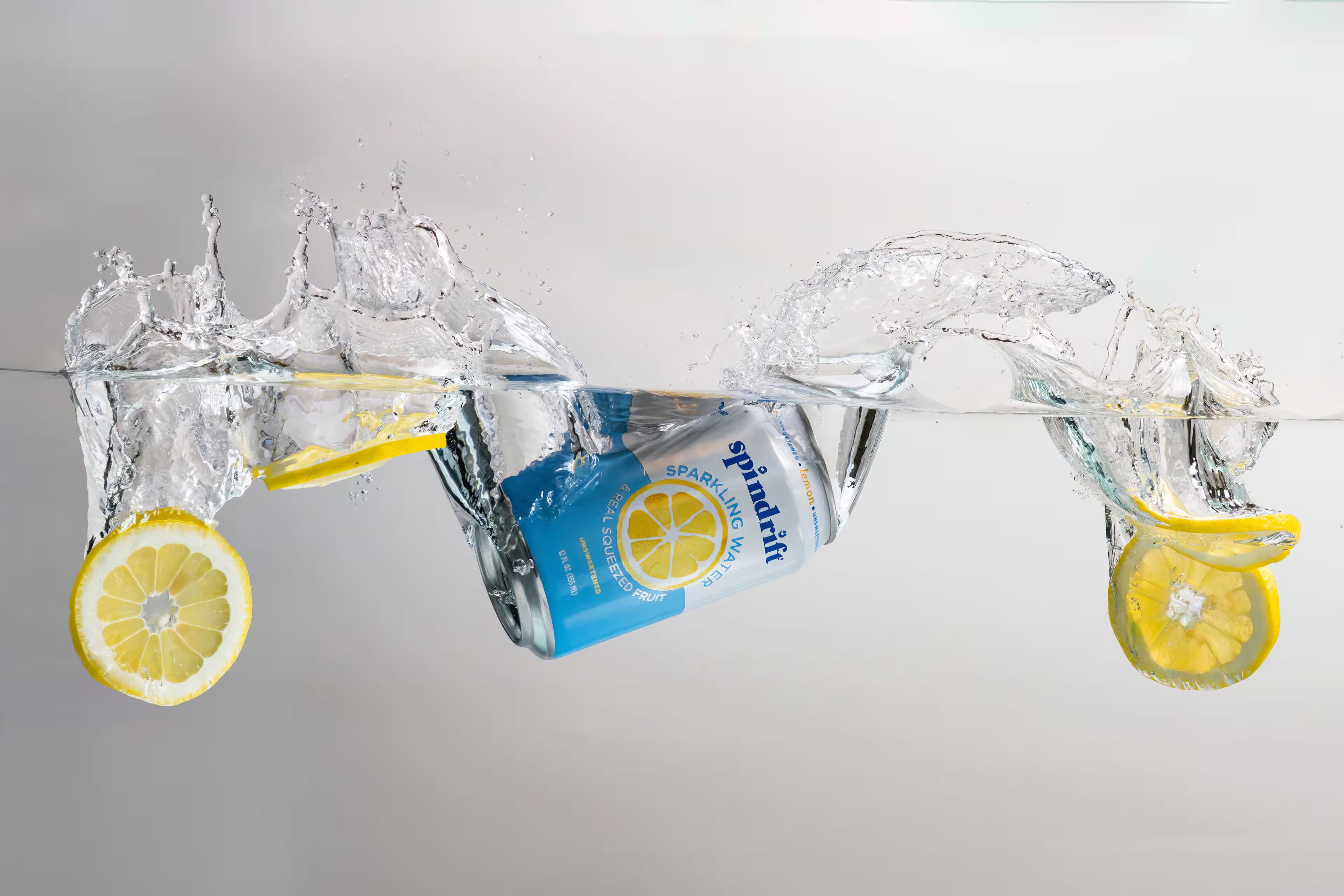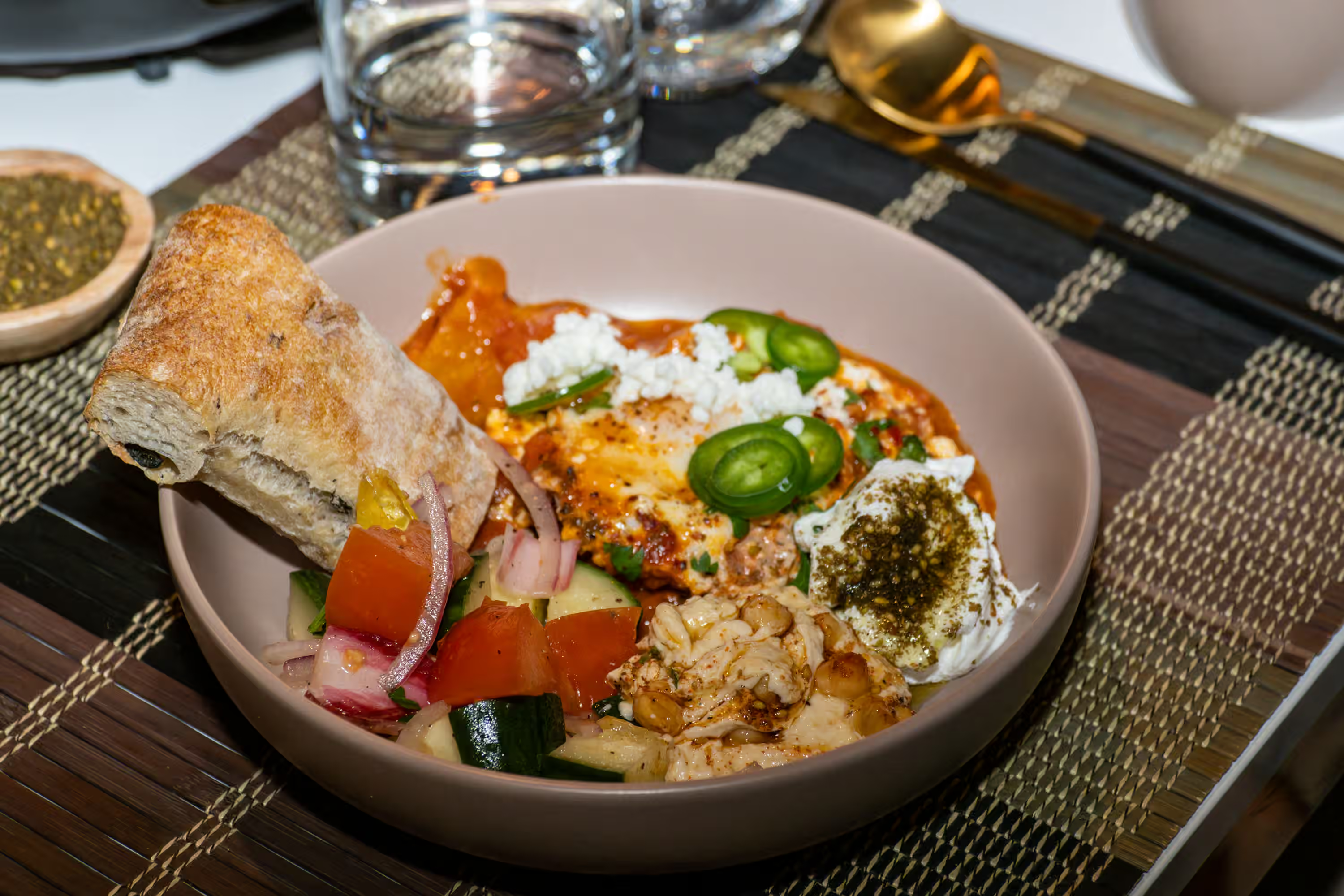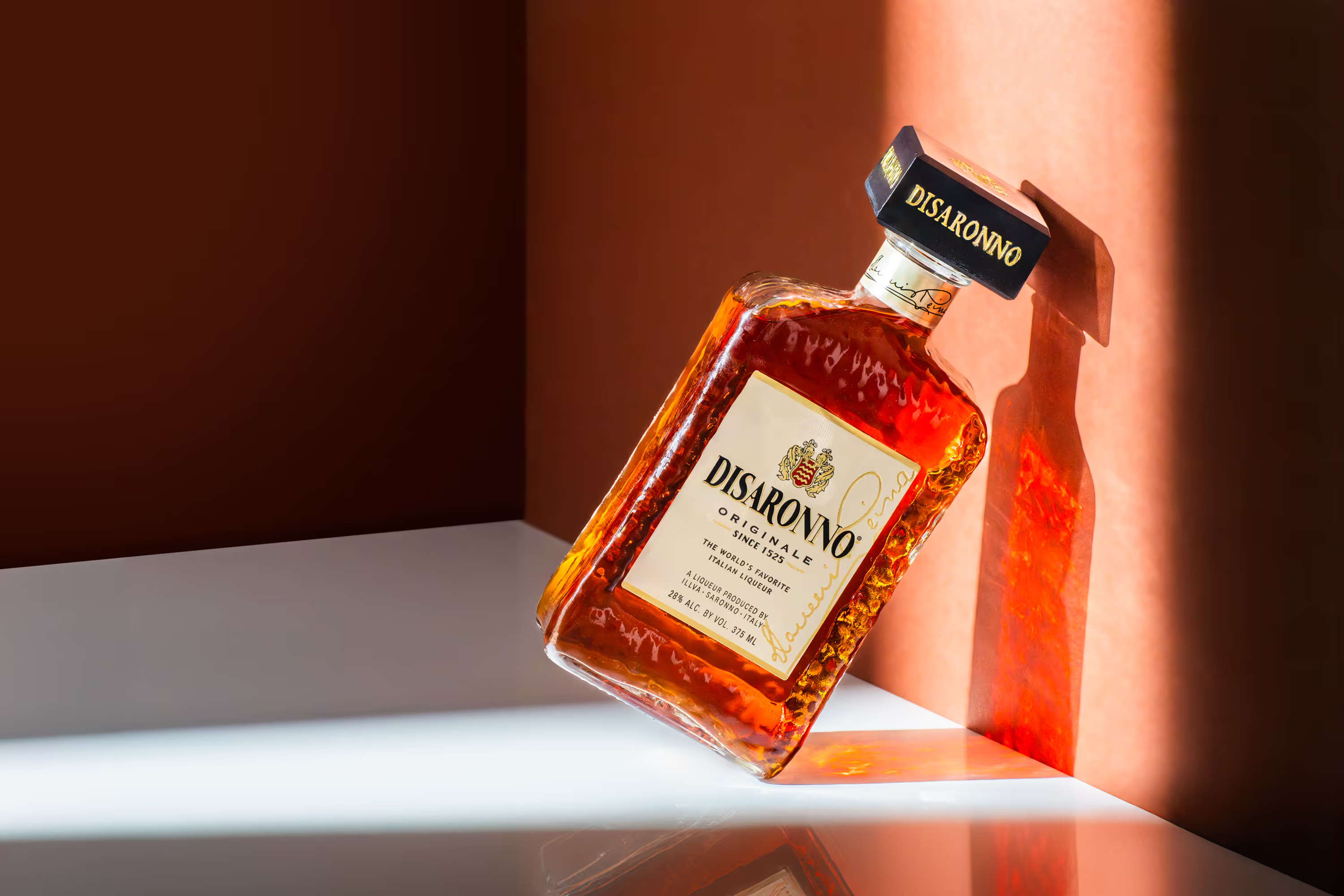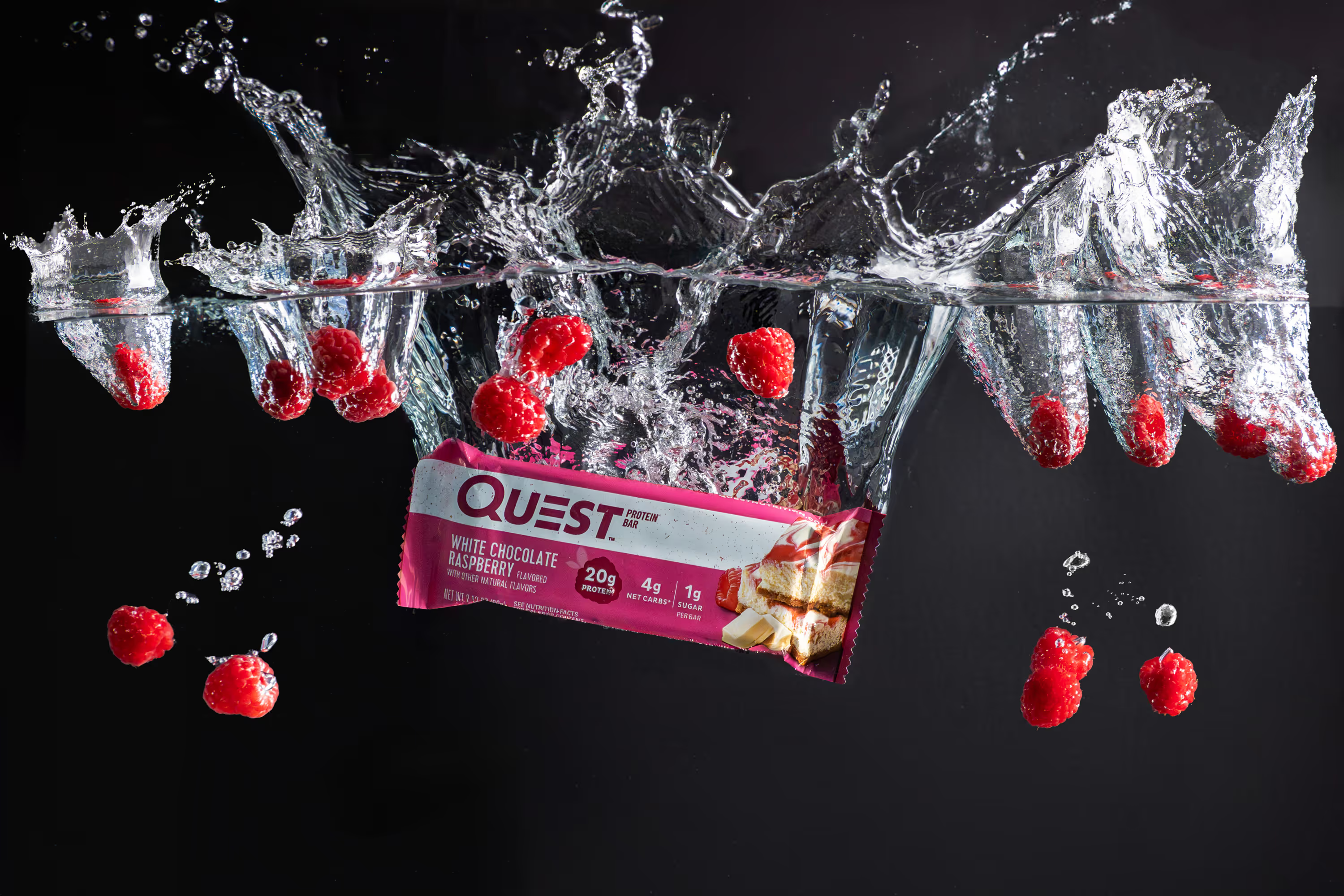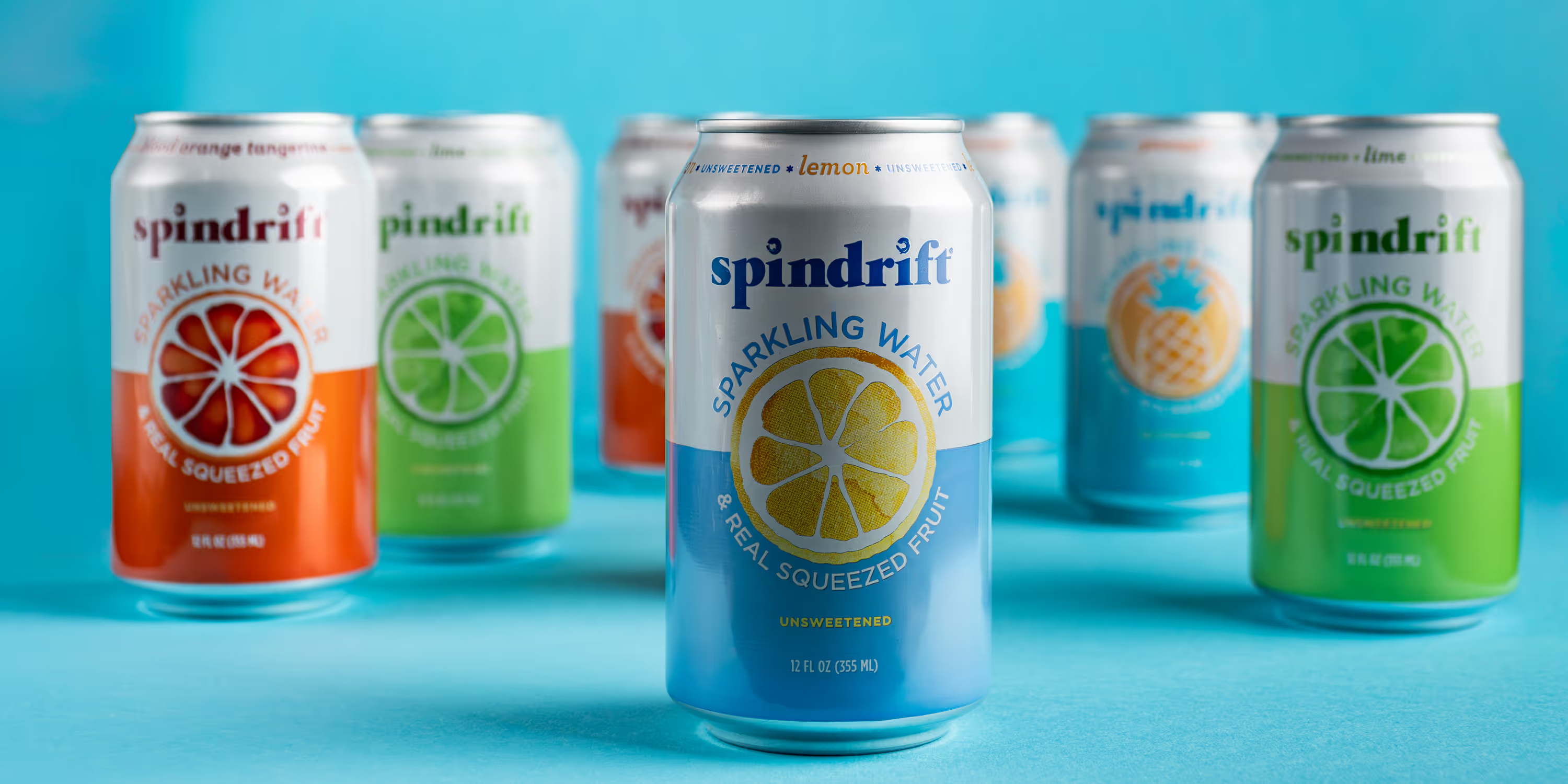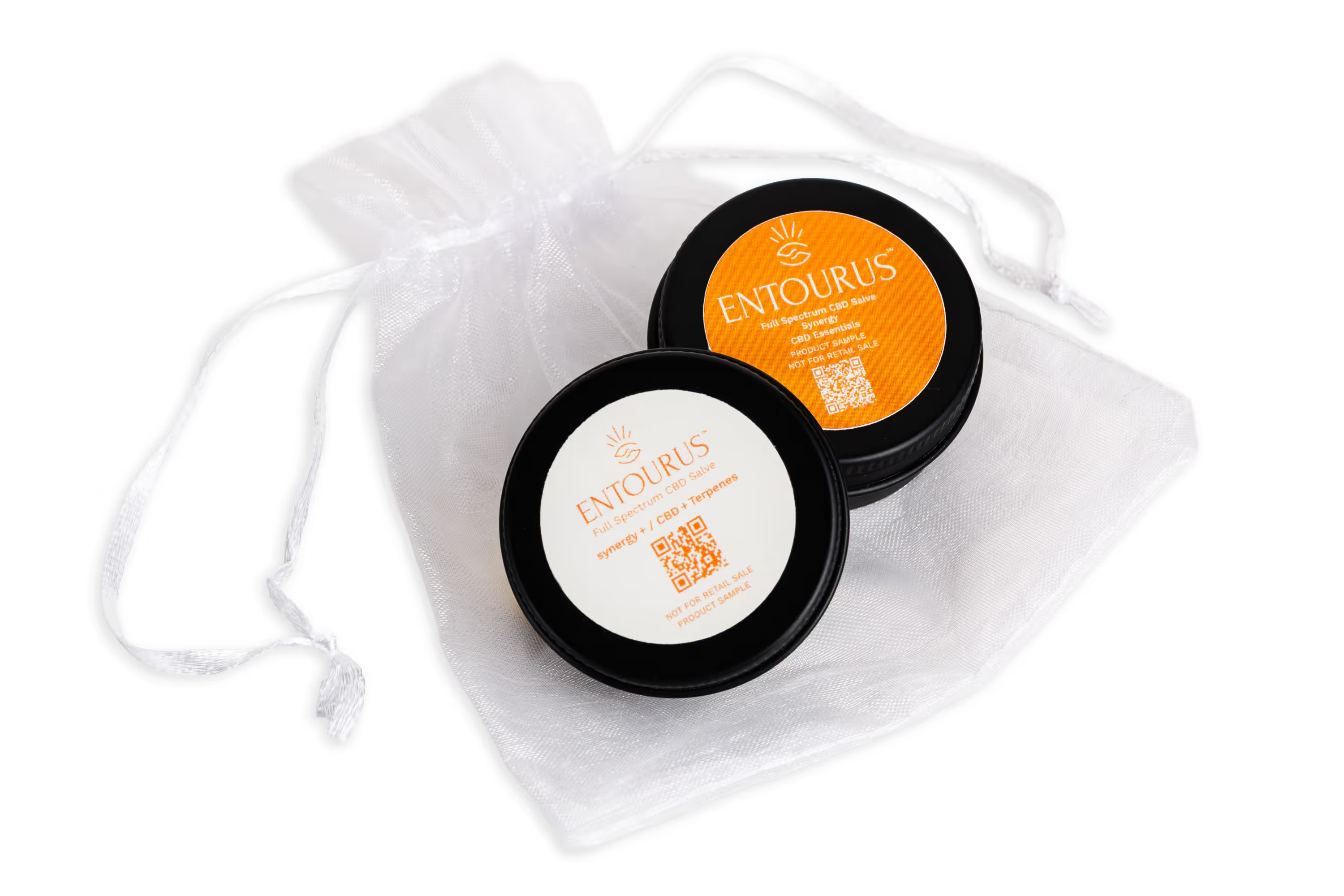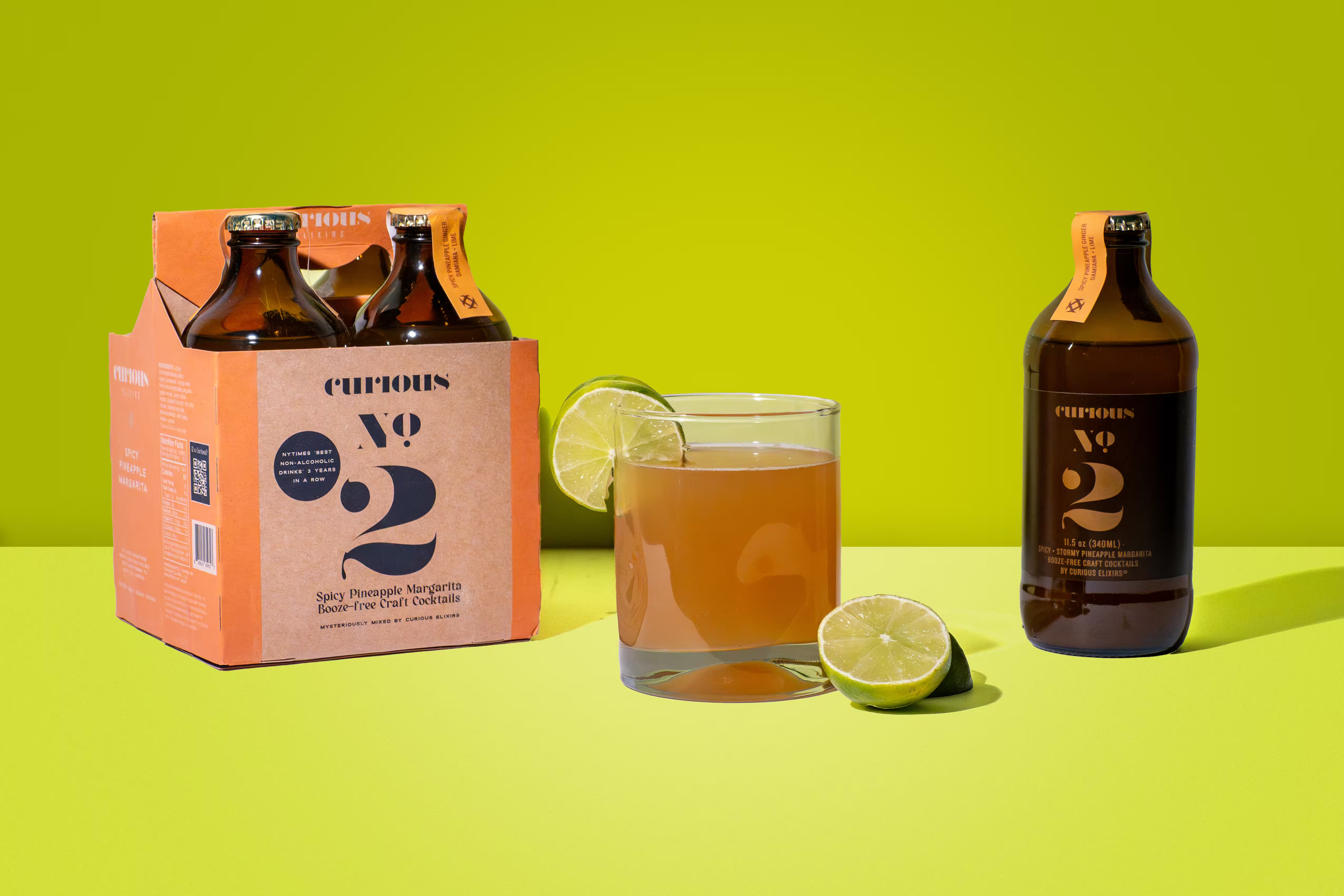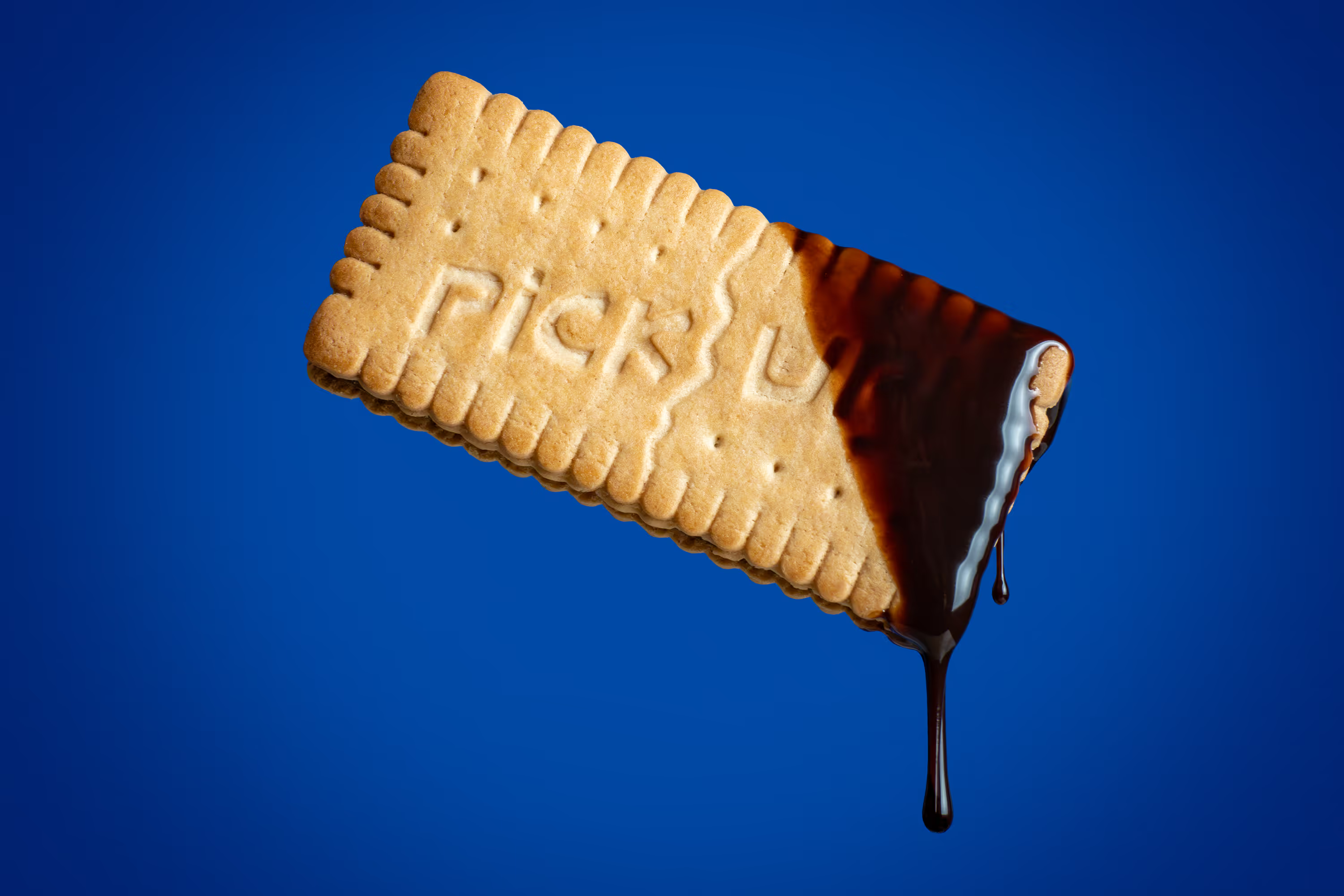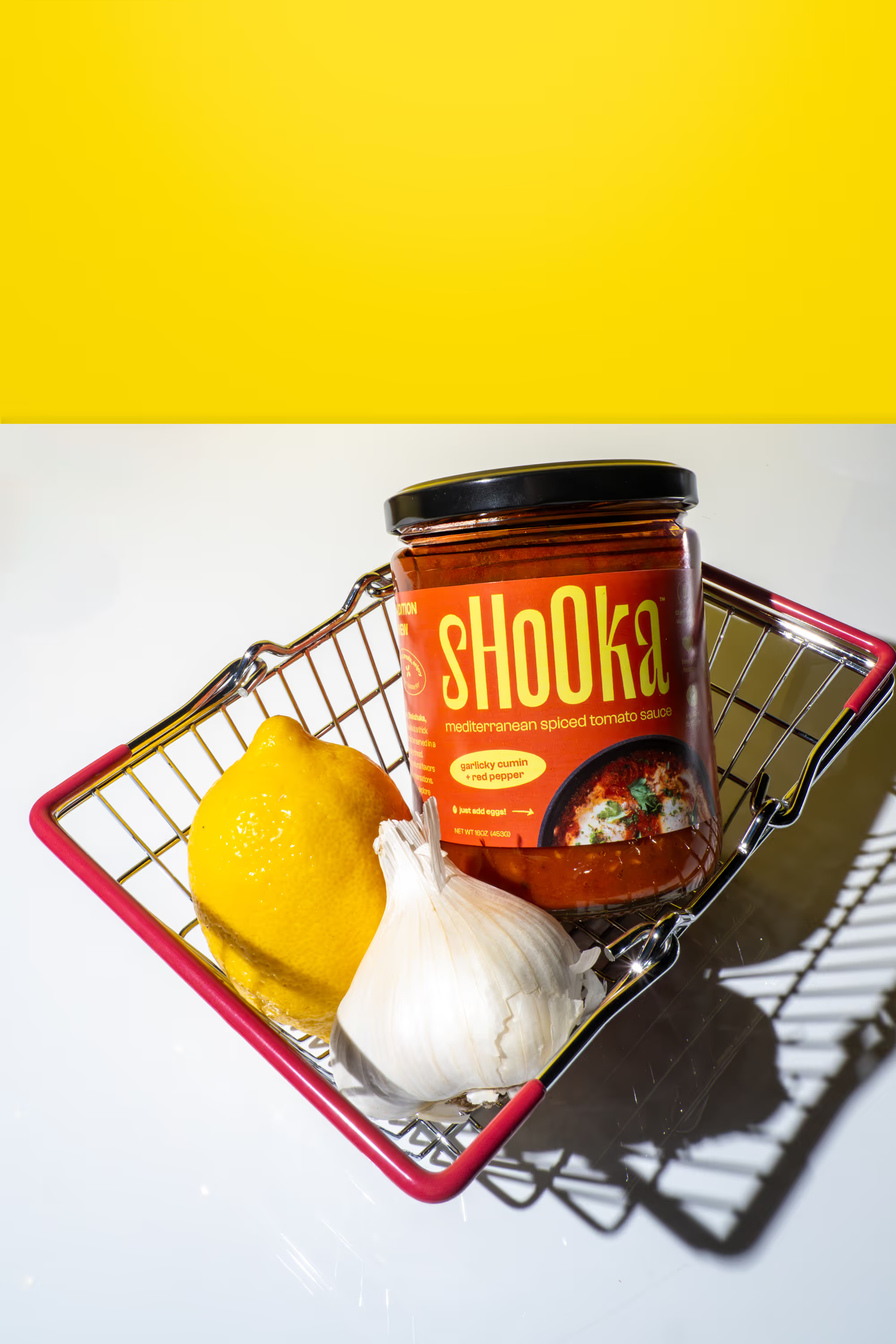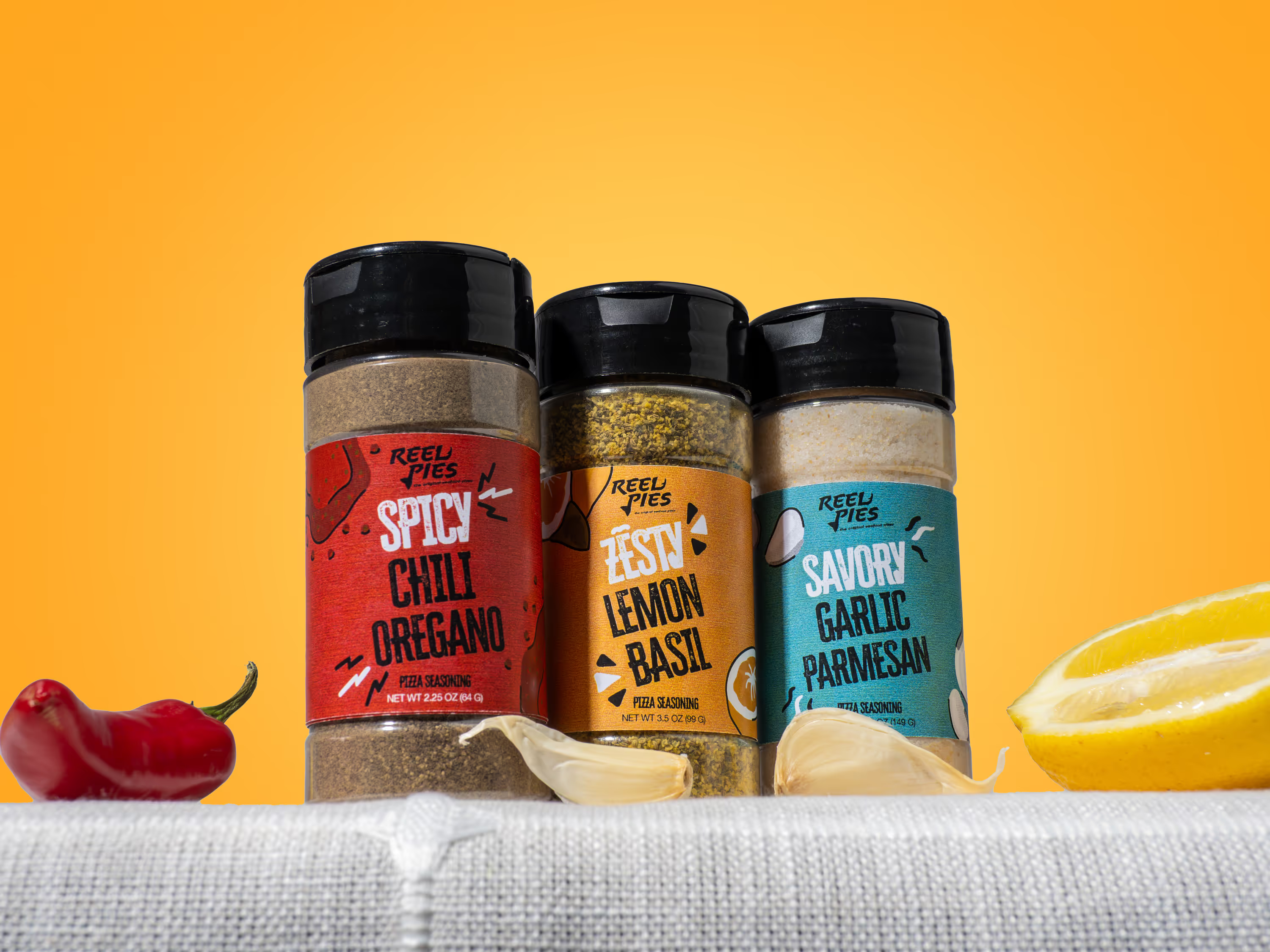

If your customers are discovering you online first, through a DTC site or an Amazon listing, they've never held your product. They've never seen it on a shelf or asked a friend about it. Your brand might be new, or it might be new to them. Either way, they don't have the built-in trust your established competitors enjoy. And the gap between "never heard of you" and "add to cart" is where lifestyle product photography for CPG brands does its best work.
Yes, part of it is making your product look great. But the bigger reason lifestyle photos work is they give your customer's brain something deeper to latch onto. When someone sees your cold brew on a sunlit kitchen counter next to a half-eaten breakfast, they stop evaluating and start picturing their own morning.
Why Do New Brands Struggle With Trust Online?
Established brands have an unfair advantage: familiarity. A customer scrolling past Chobani on Amazon doesn't need convincing. They've seen it in the grocery store. They've watched their coworker eat it. Years of passive exposure build trust on autopilot.
Your brand doesn't have years. You've got about 3 seconds of attention on a product page and even less on a social feed. The default reaction to an unfamiliar product online is skepticism, not curiosity.
White-background product photos tell the customer what your product looks like, but they're not enough for a brand nobody recognizes yet. A clean pack shot on white says "this exists." A lifestyle image says "this belongs in your life." If you're building your ecommerce product photography library for the first time, lifestyle shots need to be part of the mix from day one.
Research backs this up. A Journal of Marketing meta-analysis on mental simulation found consumers who mentally simulate using a product shift from analytical evaluation to emotional engagement. For new brands, the shift is everything. You win by helping the customer feel what it's like to use your product before they buy it.
What Is Mental Simulation and How Does It Apply to Lifestyle Product Photography?
Marketers call this framework "mental simulation." Researcher Jennifer Escalas studied how product imagery triggers narrative transportation, a state where critical thinking drops and positive brand feelings rise. When an ad encourages someone to picture themselves using a product, their brain shifts from evaluating to experiencing.
Here's what this looks like for your brand: your customer sees a photo of your sparkling water being poured over ice at a backyard dinner party. She's not analyzing your label design or comparing your price per ounce. Instead, she's at the dinner party, reaching for the glass. Her brain has stopped judging and started participating.
The data confirms mental simulation works on the metrics you care about. According to aggregated Shopify merchant and BigCommerce platform data, products with lifestyle imagery see 22-30% higher conversion rates in A/B tests. Instagram posts featuring lifestyle images pull roughly 24% more engagement than plain product shots. More add-to-carts, more shares, more revenue per visitor.
For a new food and beverage brand without shelf presence, lifestyle product photography is the most efficient way to trigger this response. White-background pack shots give information. Lifestyle images give an experience, and experience is what drives the first purchase from an unfamiliar brand.
How Does Lifestyle Photography Work Differently Than AI-Generated Images?
AI image generators now produce polished product scenes at scale. They're getting better, but they're still recognizable, even when you're not sure exactly why.
The issue isn't one hero image. AI tools are decent at generating a single good-looking background scene. The problem shows up at scale: consistency across a full product line, realistic details on reflective packaging, natural food textures, and believable condensation. Getting a complete, usable set of AI-generated lifestyle images often ends up taking more time and more rounds of revision than shooting the photos in-camera from the start. And your customers are picking up on the difference, even if they're not sure exactly why.
Real lifestyle photography works because it's imperfect in the right ways. The condensation on a bottle is real. The crumb on the cutting board is real. The light at golden hour is real. Your customer's brain registers those micro-details as authentic, even subconsciously.
At Photos by Lars, we shoot motion-focused lifestyle content, which means the product isn't sitting still in a staged scene. It's being poured, splashed, crumbled, or caught mid-air. Movement adds another layer of believability no AI render matches.
What Should Your Lifestyle Shot List Include?
When you're briefing your photographer for the first time, don't wing the shot list. Every image should serve a specific role in your customer's buying journey. Here's how we break it down for CPG product photography clients:
The "Morning Routine" shot. Your product in the context of daily use. This is the image triggering mental simulation, the one making someone think "I'd do the same thing." For a granola bar brand, it's the bar torn open next to a travel mug on a car console. For a hot sauce, it's a drizzle mid-pour over scrambled eggs.
The "Social Proof" shot. Multiple products in a group setting. A cooler full of your drinks at a tailgate. A spread of your snacks on a picnic blanket. This signals popularity without saying a word.
The "Ingredient Story" shot. Fresh ingredients surrounding the product. This bridges the gap between "I see a package" and "I understand what's inside." For new brands, it builds confidence in quality faster than any product description.
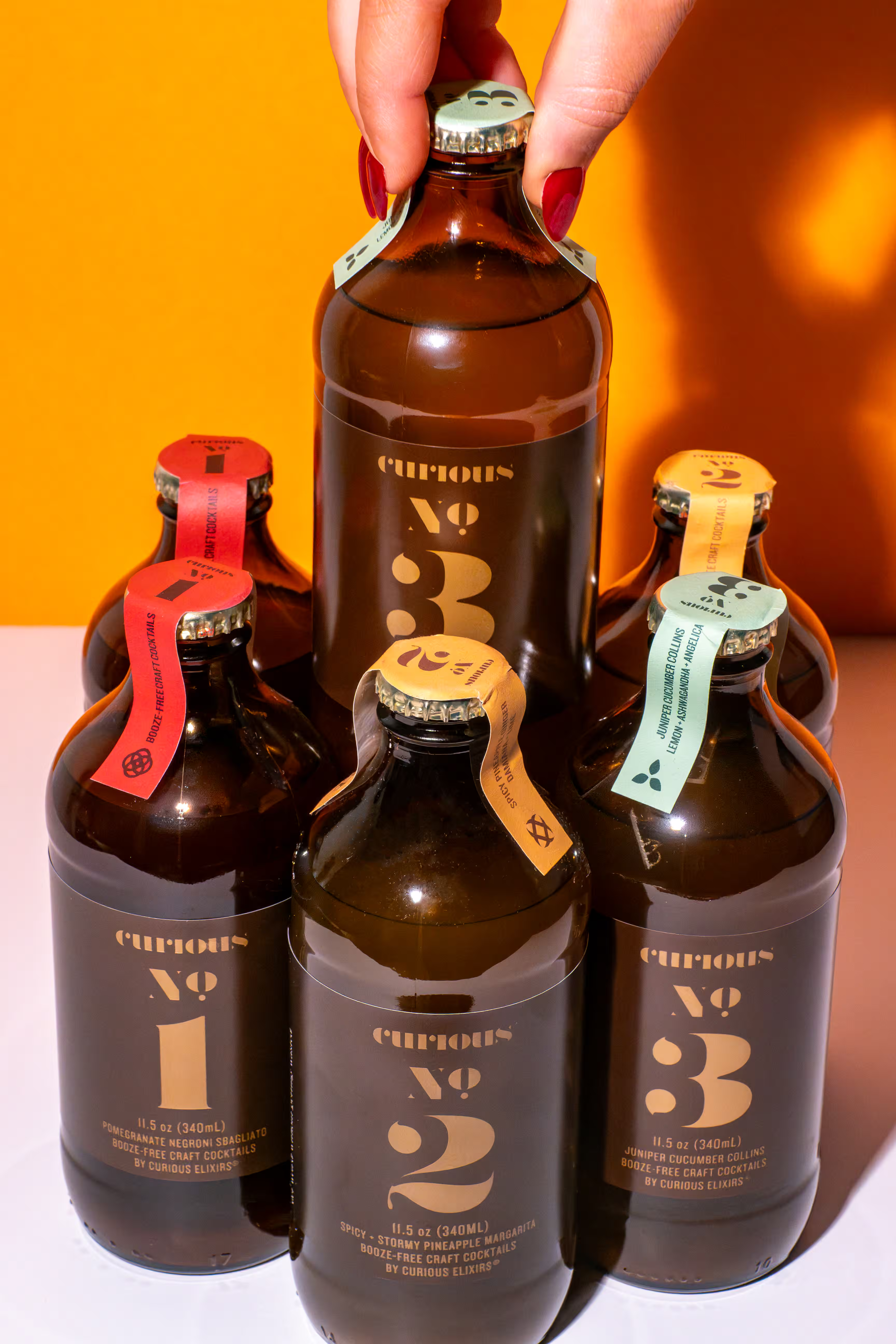
The "Scale and Texture" shot. A hand holding the product, fingers gripping the packaging. This is the closest an online shopper gets to touching your product. It answers the subconscious question: "How big is this? What does it feel like?"
Ask your photographer to include all four categories. And if you're planning different image sizes and crops for each platform, build horizontal and vertical compositions into the shot list. We handle creative direction and shot list planning as part of our turnkey process, with final images back in 3 to 5 days.

How Do You Measure Whether Lifestyle Photos Are Working?
Don't guess. Run the numbers. Here are three metrics to watch after swapping in lifestyle product photography:
Conversion rate on product pages. A/B test a hero image: lifestyle vs. white background. A Shopify study found products with professional photos see a 33% higher conversion rate on average, and lifestyle shots in food and beverage outperform pack shots consistently within testing. Our post on how product photos increase conversions walks through the full data.
Social engagement rate. Track likes, saves, and shares on posts using lifestyle vs. pack-shot images. The 20-30% engagement lift from lifestyle content shows up fast, often within the first week of posting. Animated product GIFs take this even further if you're running motion content.
Return rate. This one surprises people. According to Investopedia's ecommerce return data, 22% of online returns happen because the product looks different in person than it did in photos. Lifestyle images showing real product scale, texture, and context reduce this gap and keep your return rate down.
Track these for 30 days after your new images go live. Bring the before-and-after data to your leadership team, and the photography investment justifies itself.
Common Questions
Do I need lifestyle photos if I already have good white-background shots?
Yes. White-background shots show details and satisfy marketplace requirements. Lifestyle images do the emotional work: building trust, triggering mental simulation, and helping a new customer picture your product in their life. You need both, and most of our CPG clients launch with a mix.
How many lifestyle images do I need for a product launch?
For a single SKU launch, plan on 8-12 lifestyle images. You'll have enough for your product page hero, 2-3 weeks of social content, and your initial ad creative. For a full line launch, we build a custom shoot plan to maximize variety without duplicating scenes.
Are lifestyle photos worth the investment for a brand doing under $5M in revenue?
This is where the investment matters most. Your brand hasn't built trust through years of visibility yet. The 22-30% conversion lift from lifestyle product photography means you're paying back the shoot cost faster than almost any other marketing investment at this stage.
Should I use AI-generated lifestyle images to save money?
We'd recommend against it, especially for food and beverage. AI still struggles with consistency at scale, and the time spent generating, reviewing, and revising AI images often exceeds the time a real shoot takes. For a new brand, the trust cost of looking artificial outweighs the savings.
If lifestyle imagery is the next step for your brand, we'd love to talk through how to make it happen. Book a call and we'll walk through your goals, your timeline, and what a shoot would look like for your specific products.