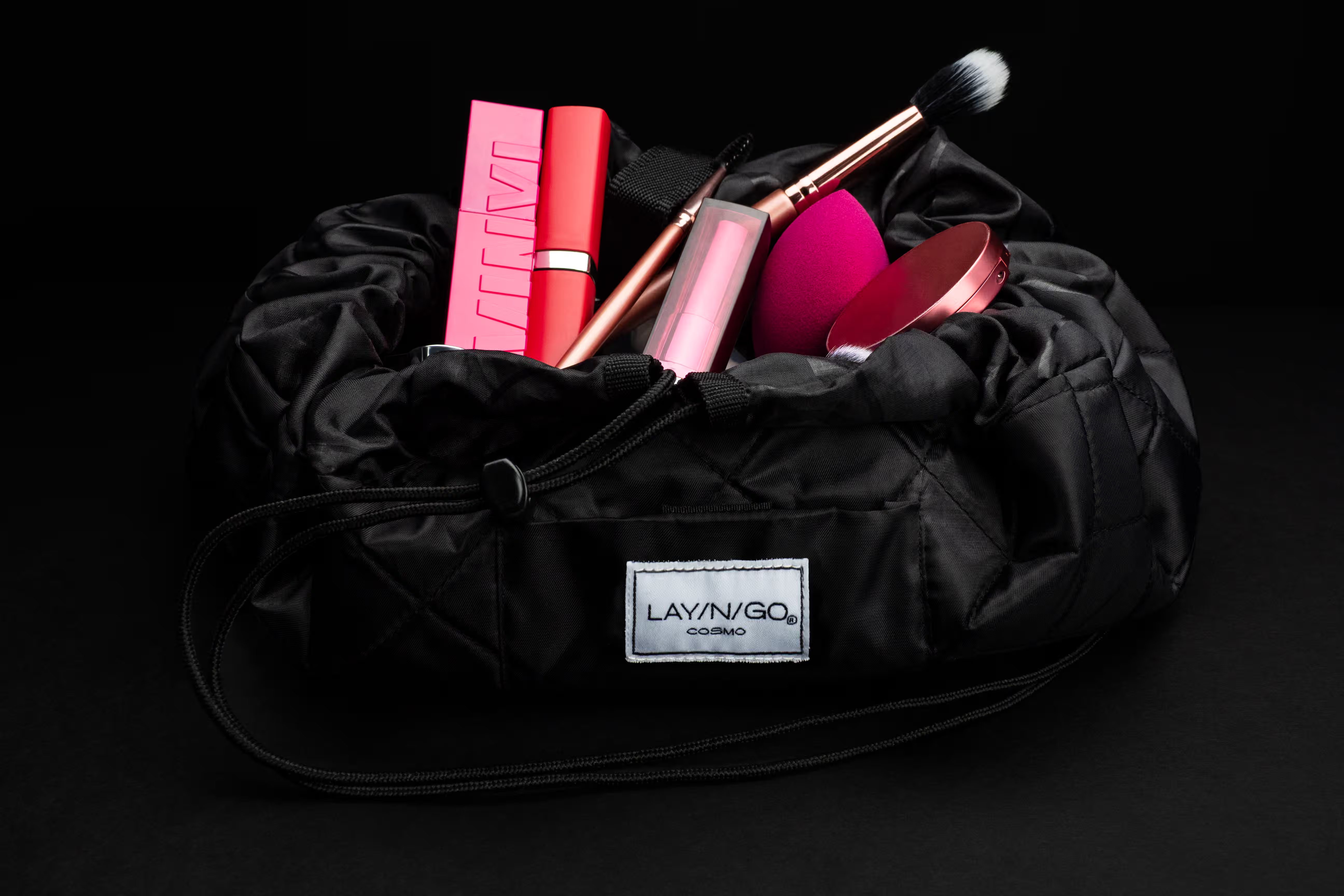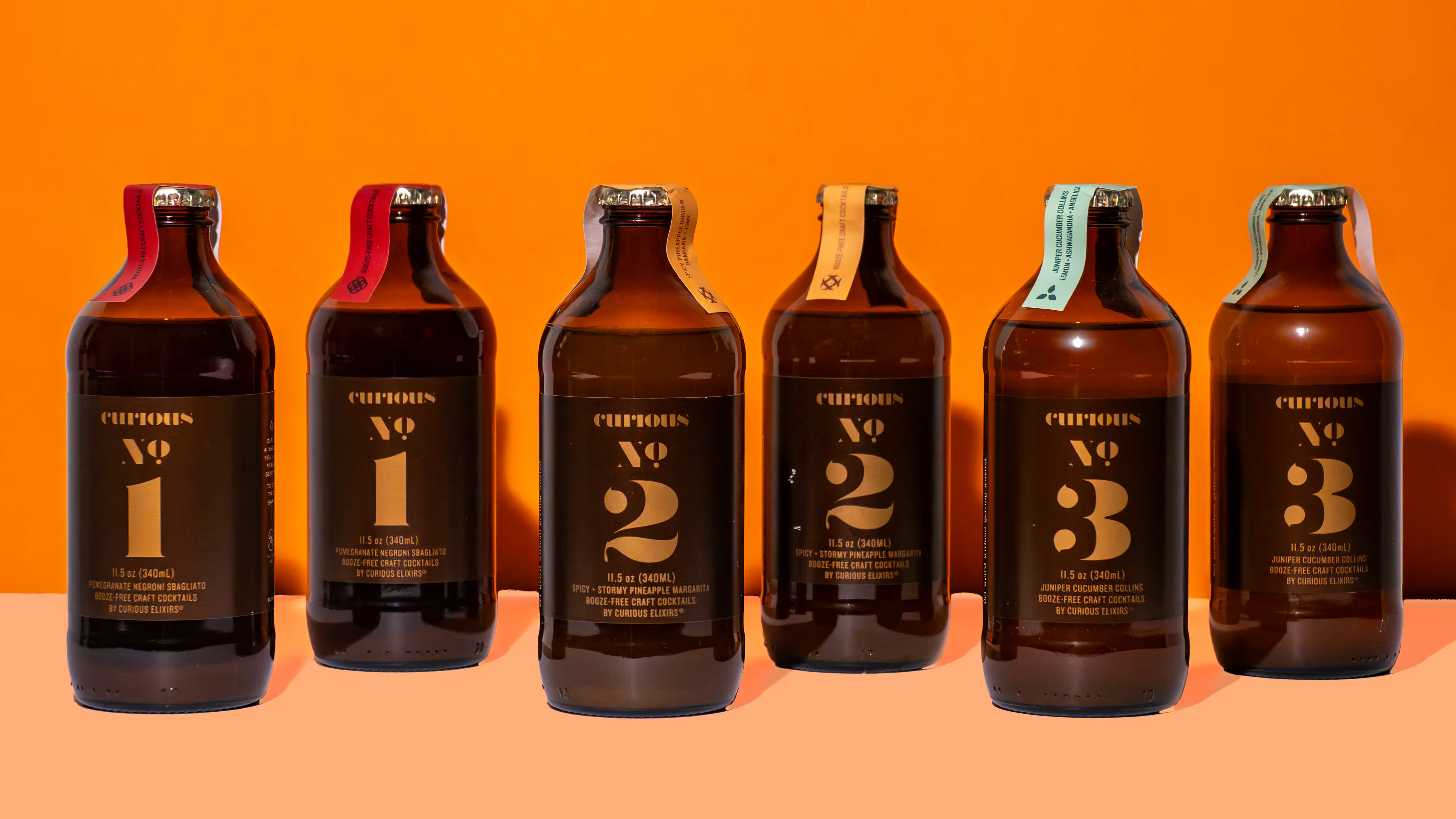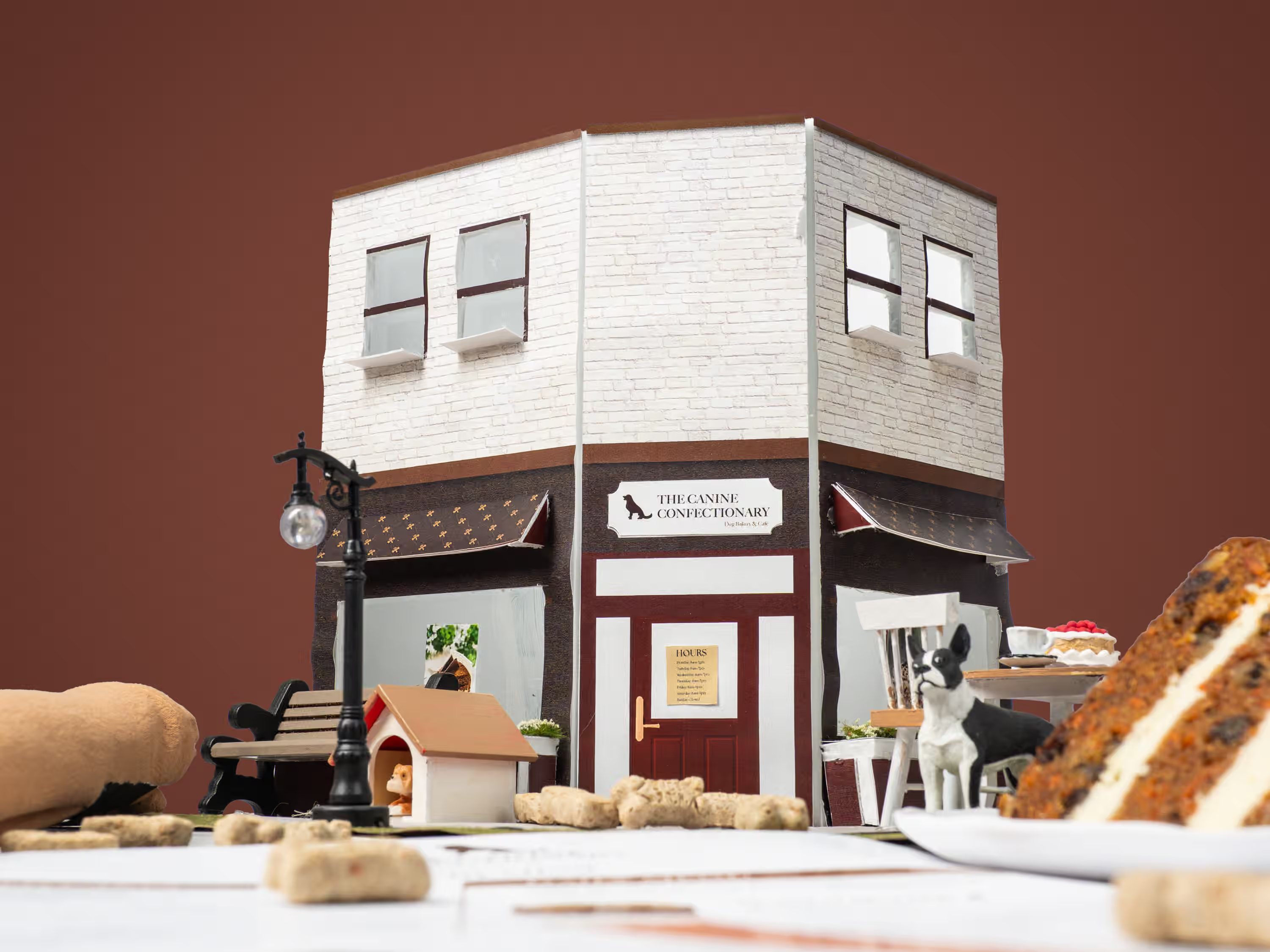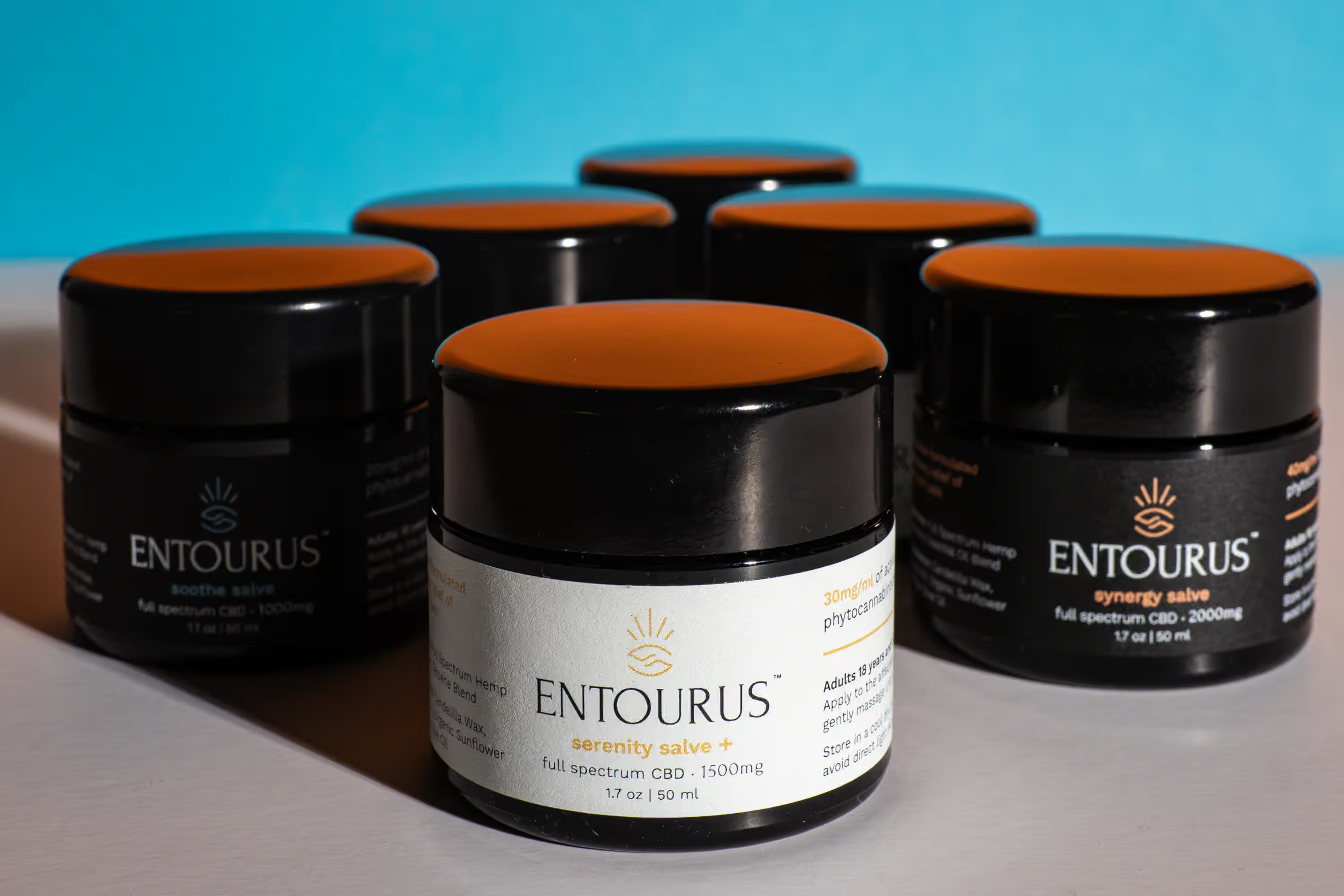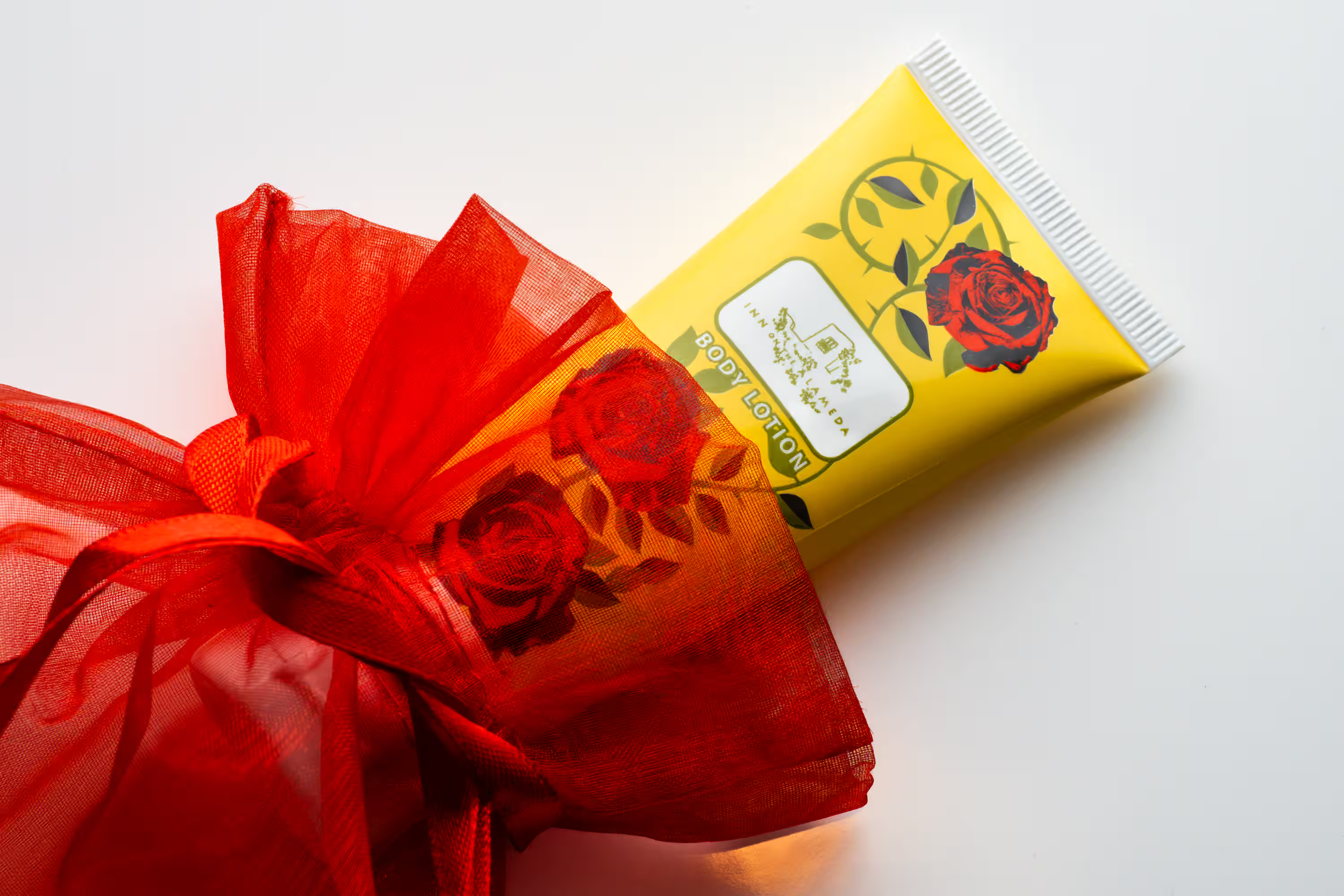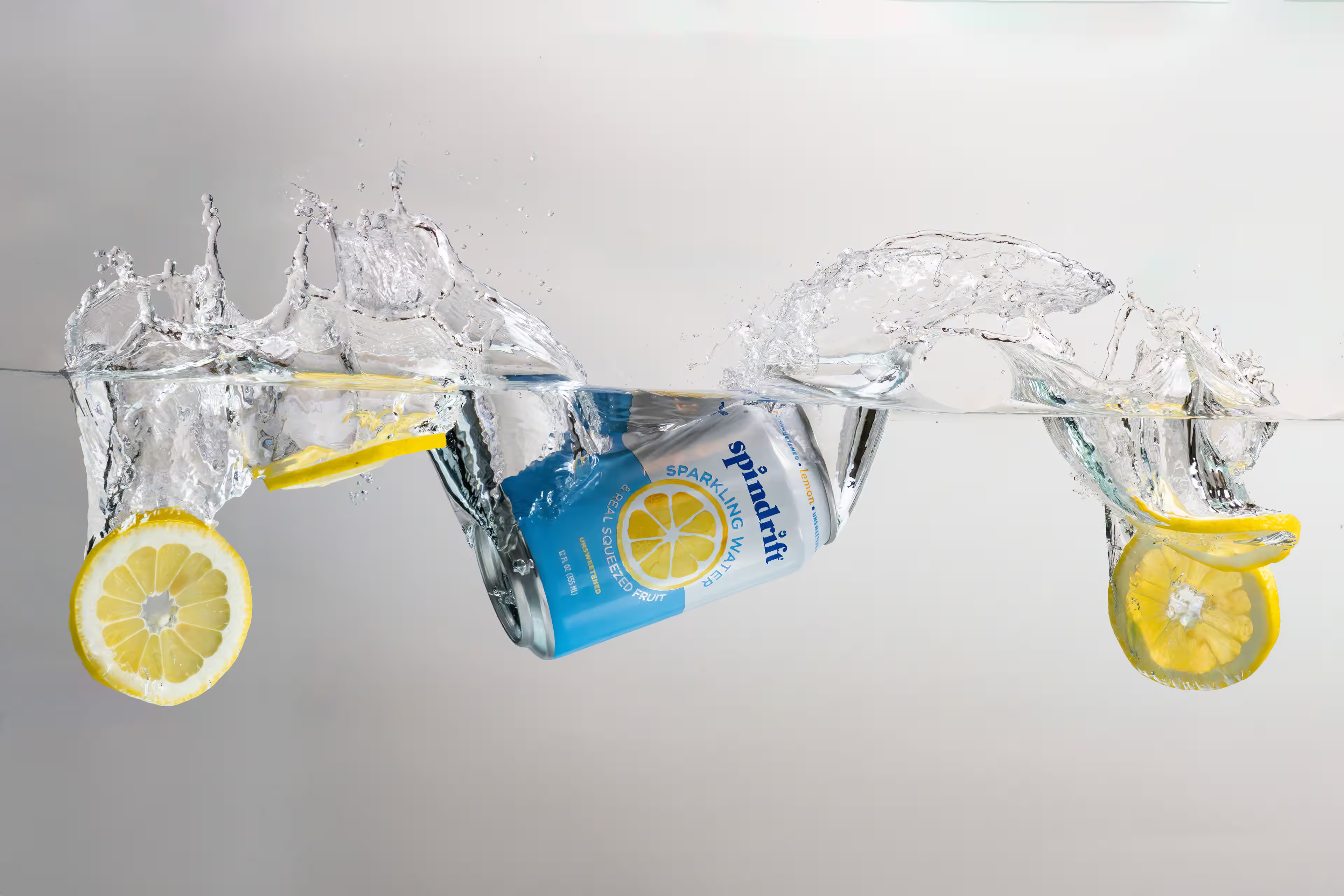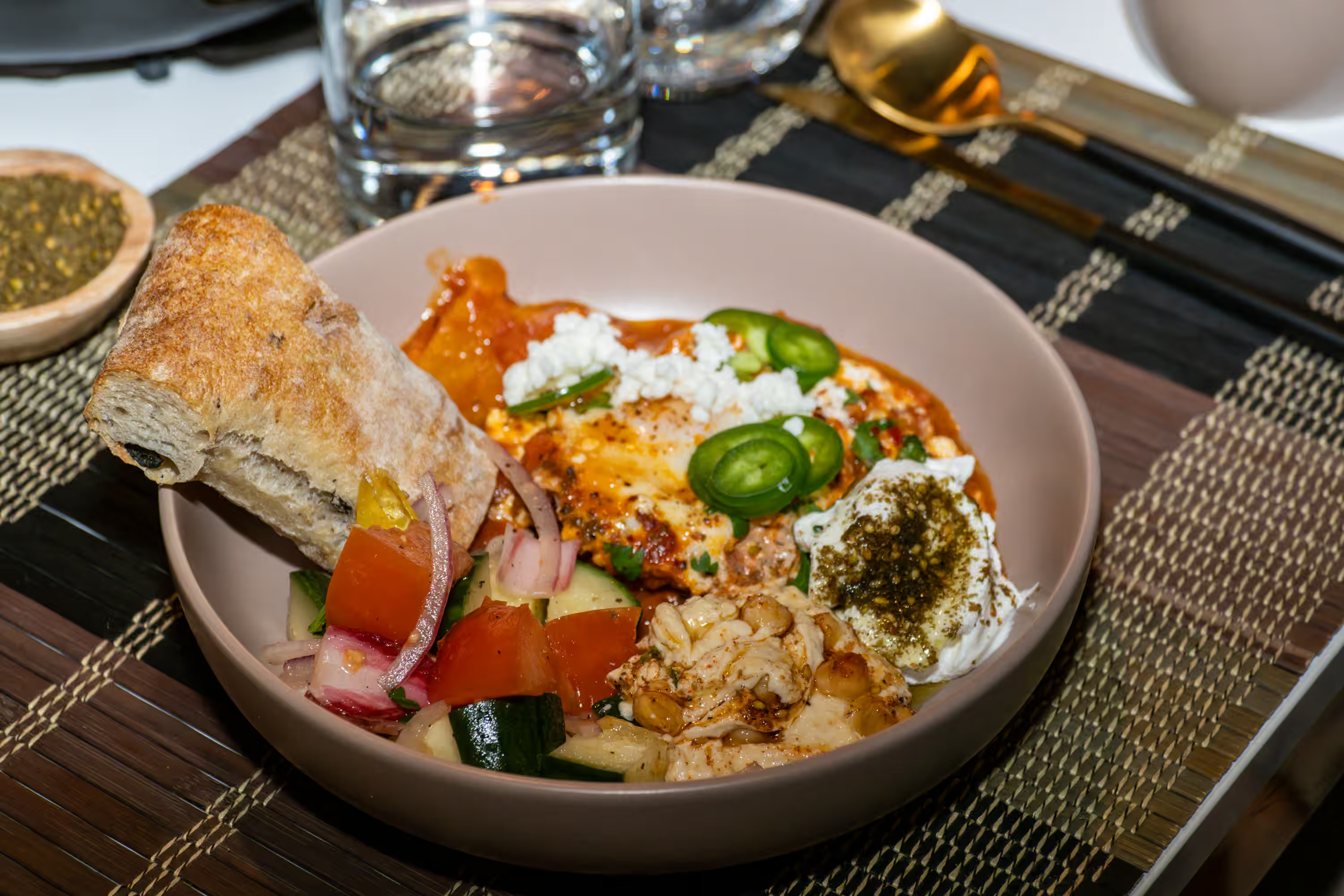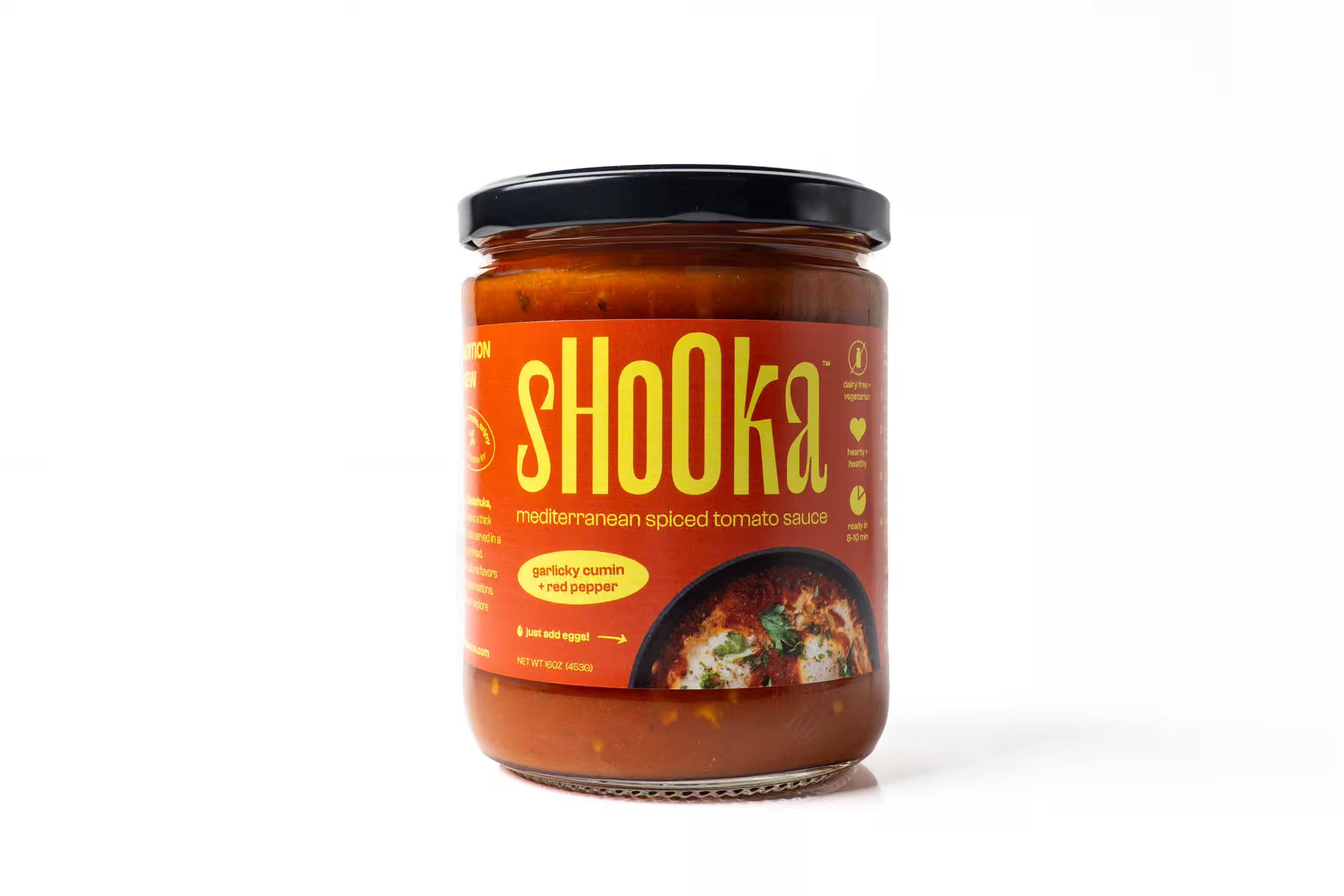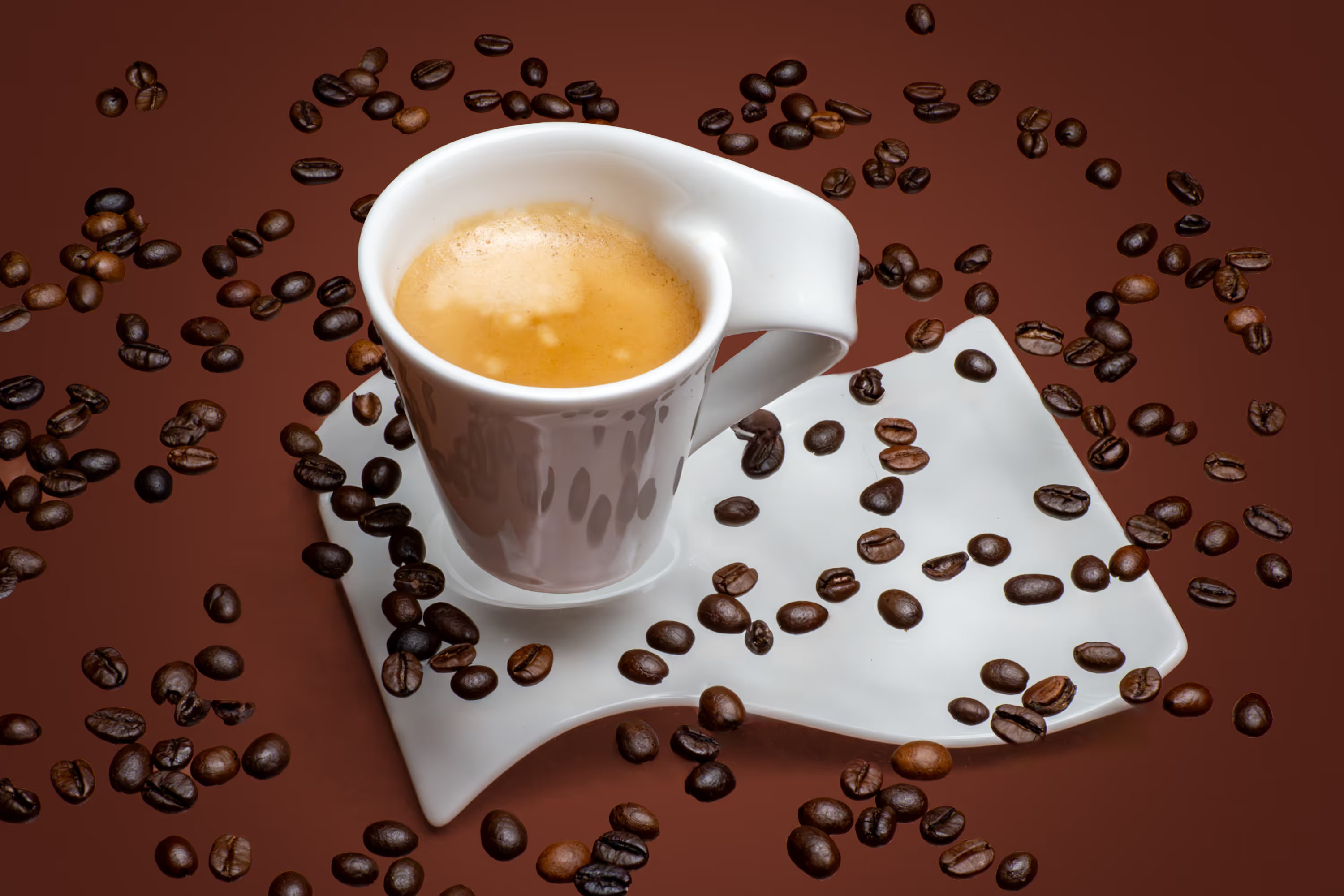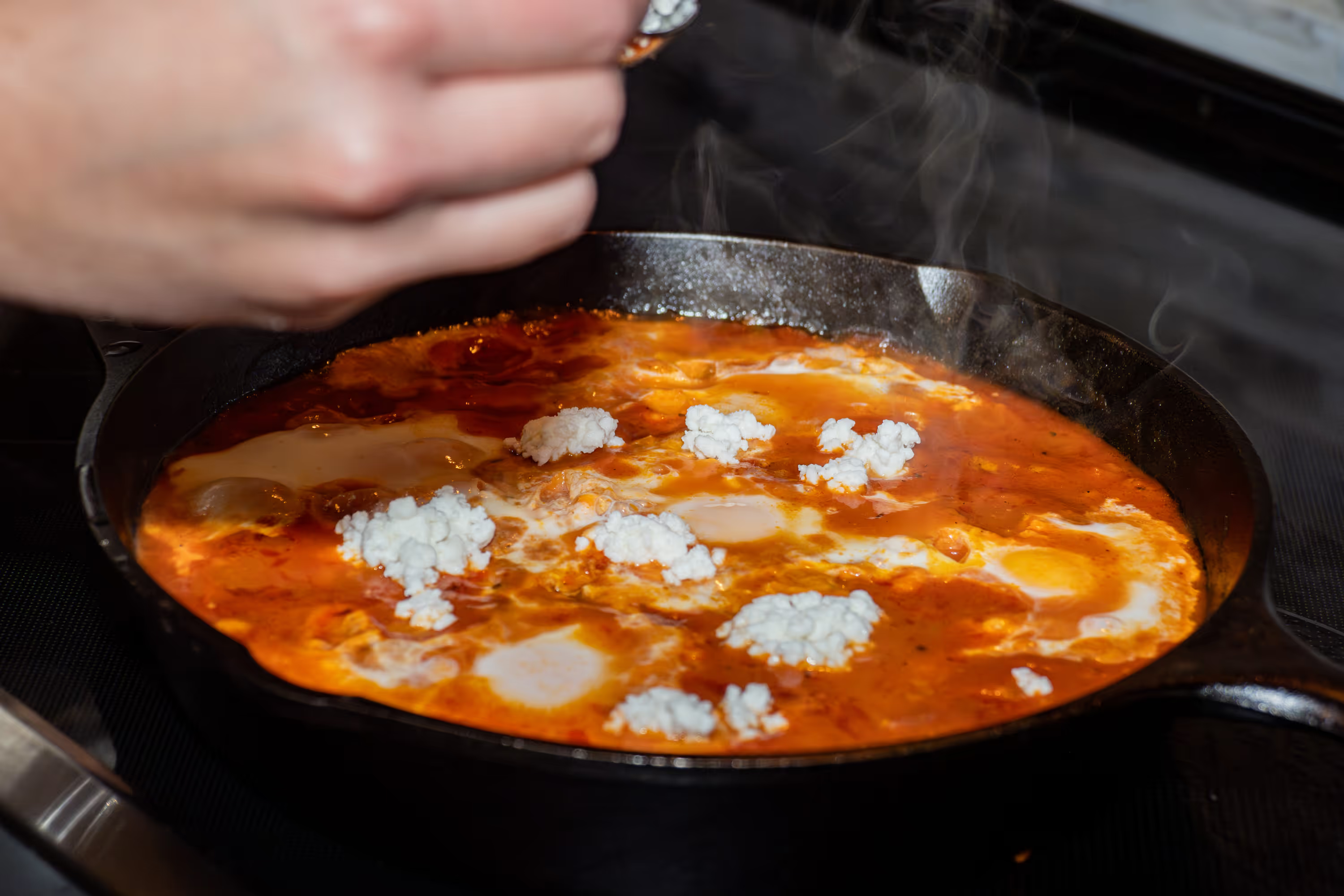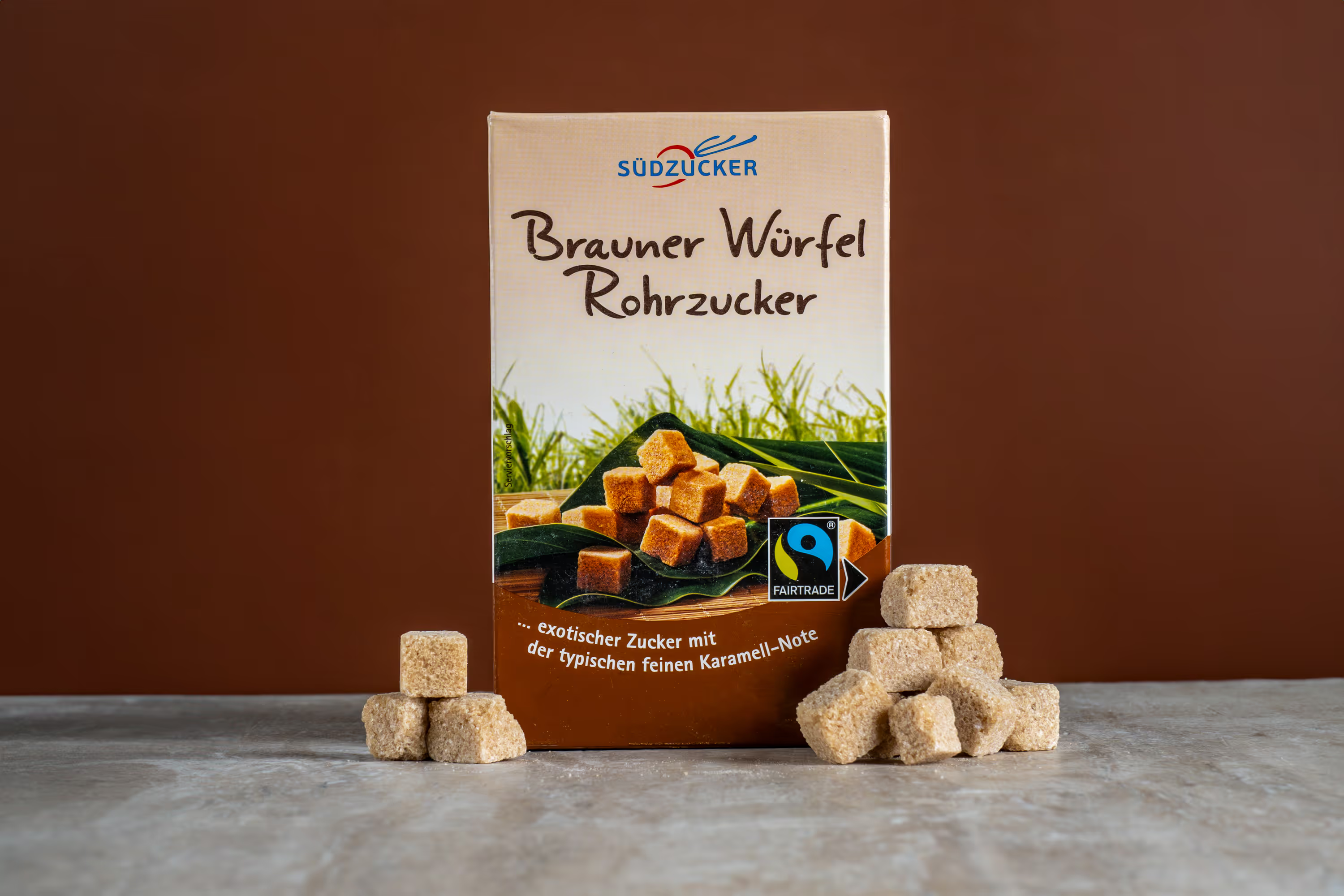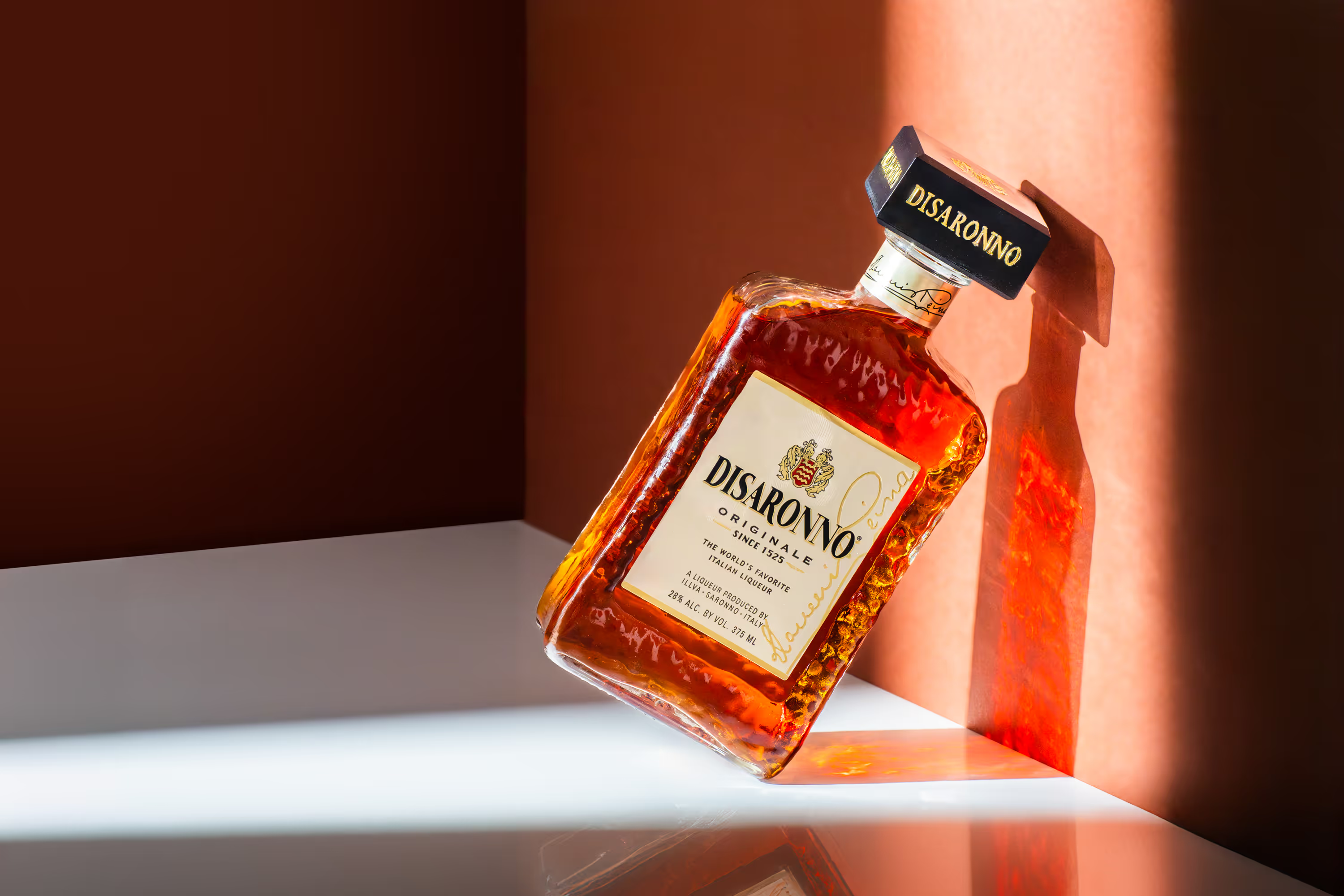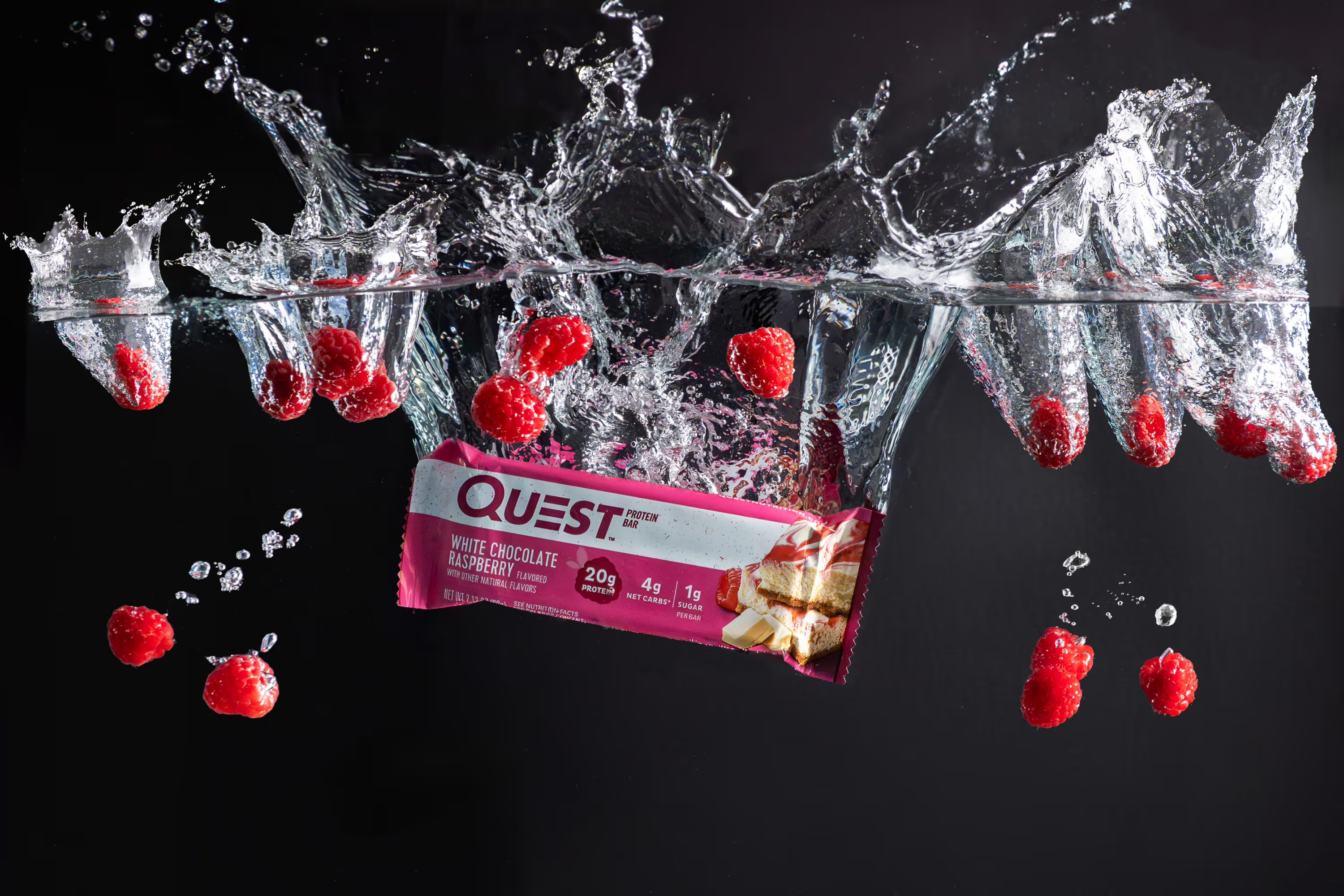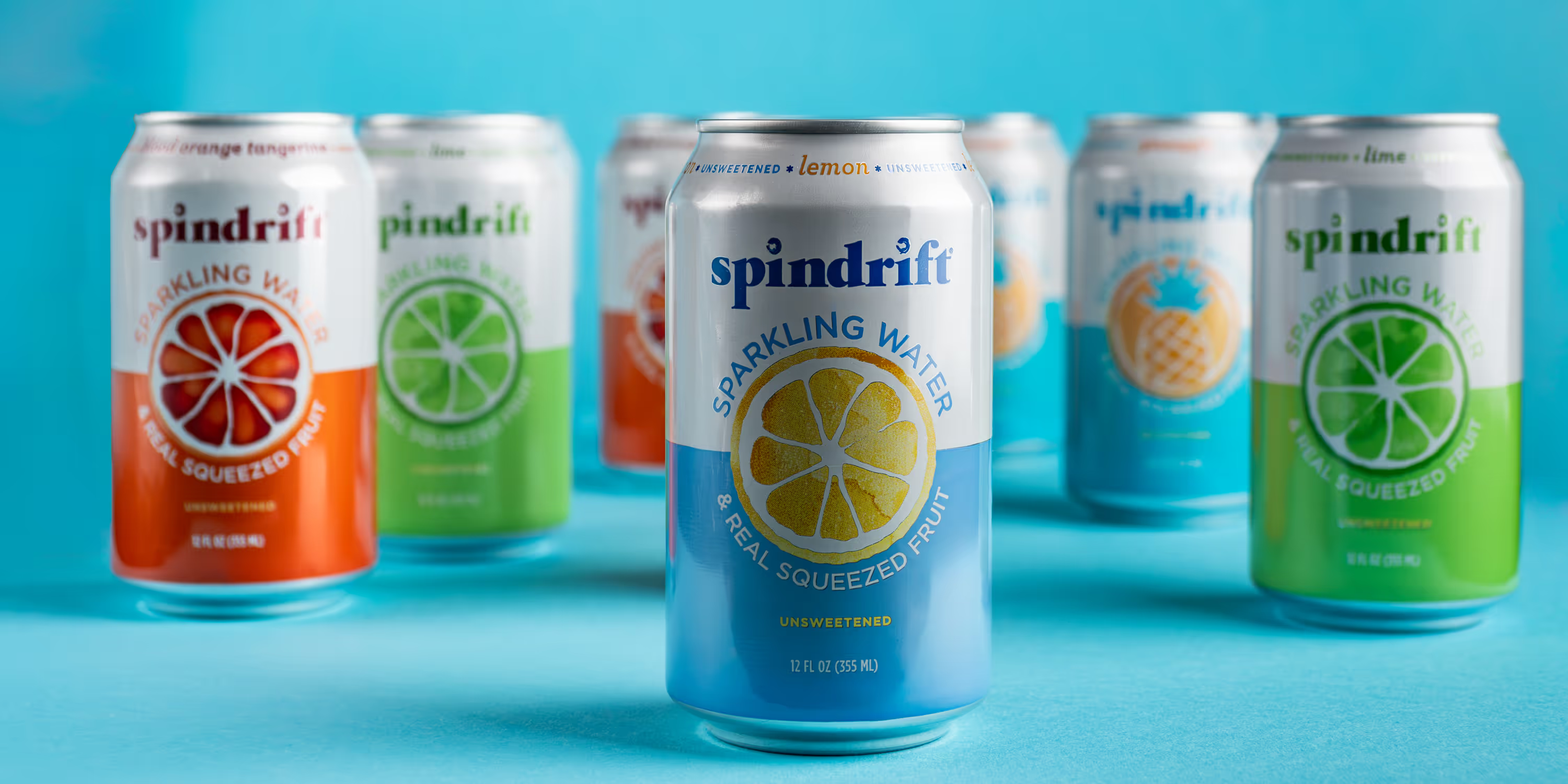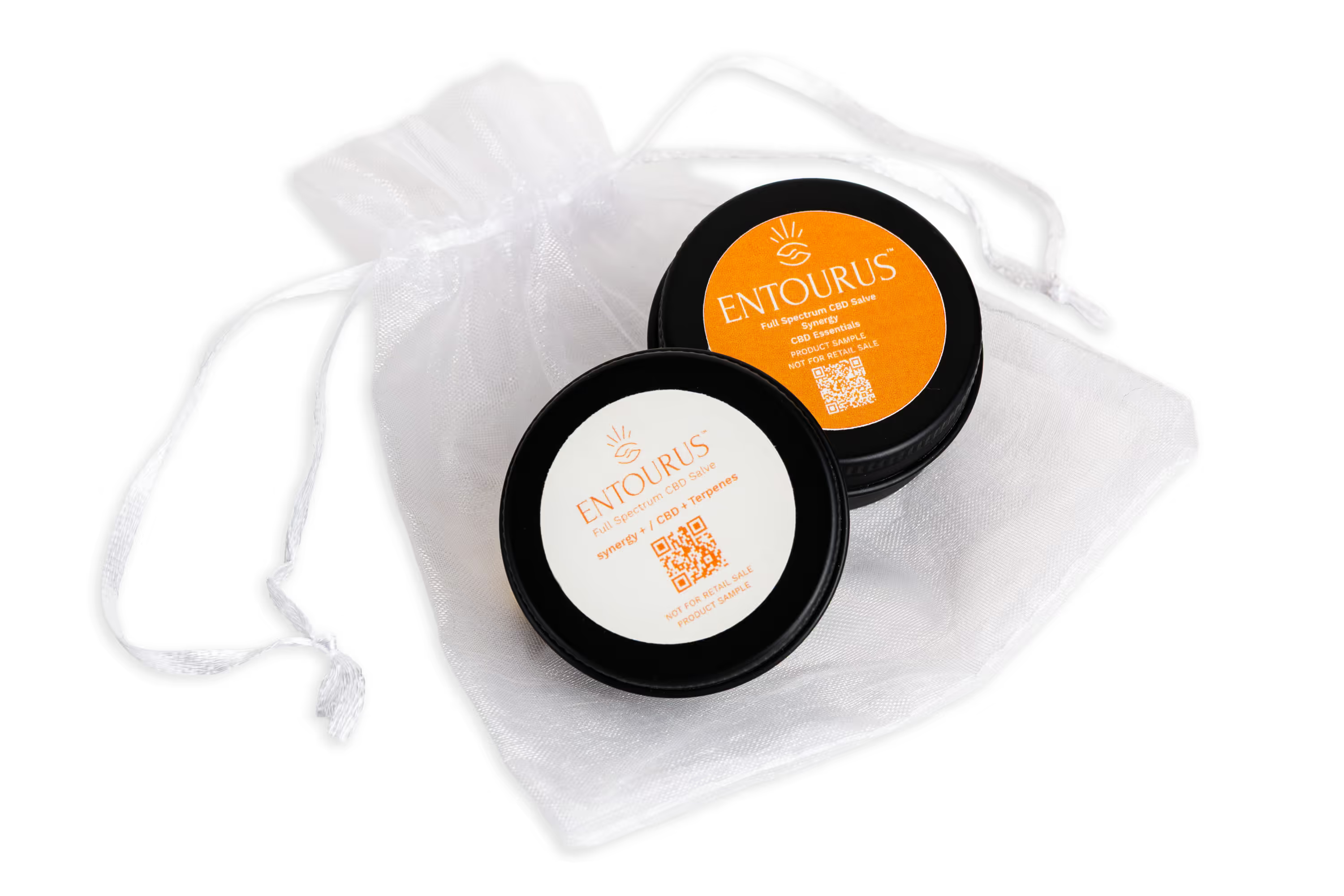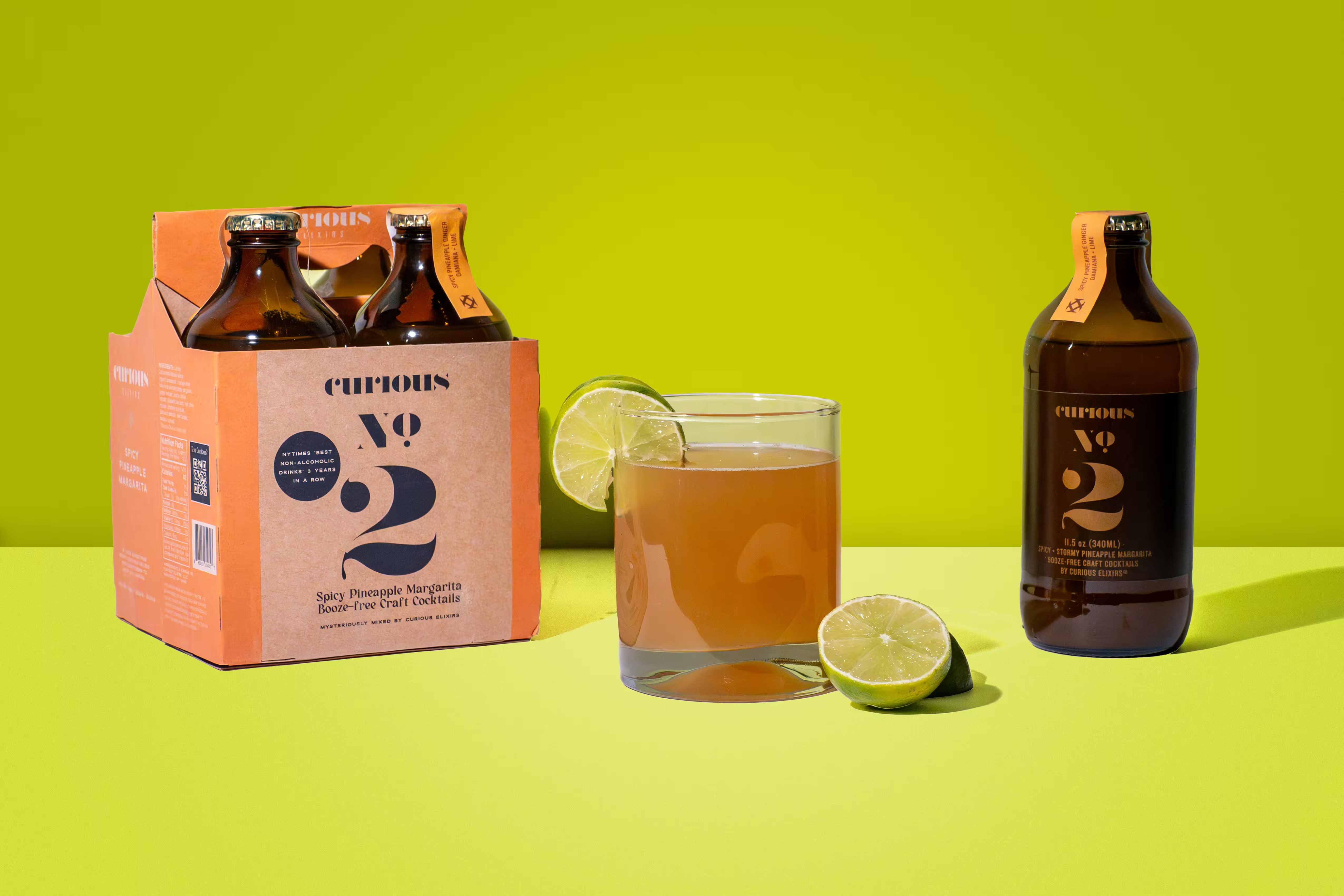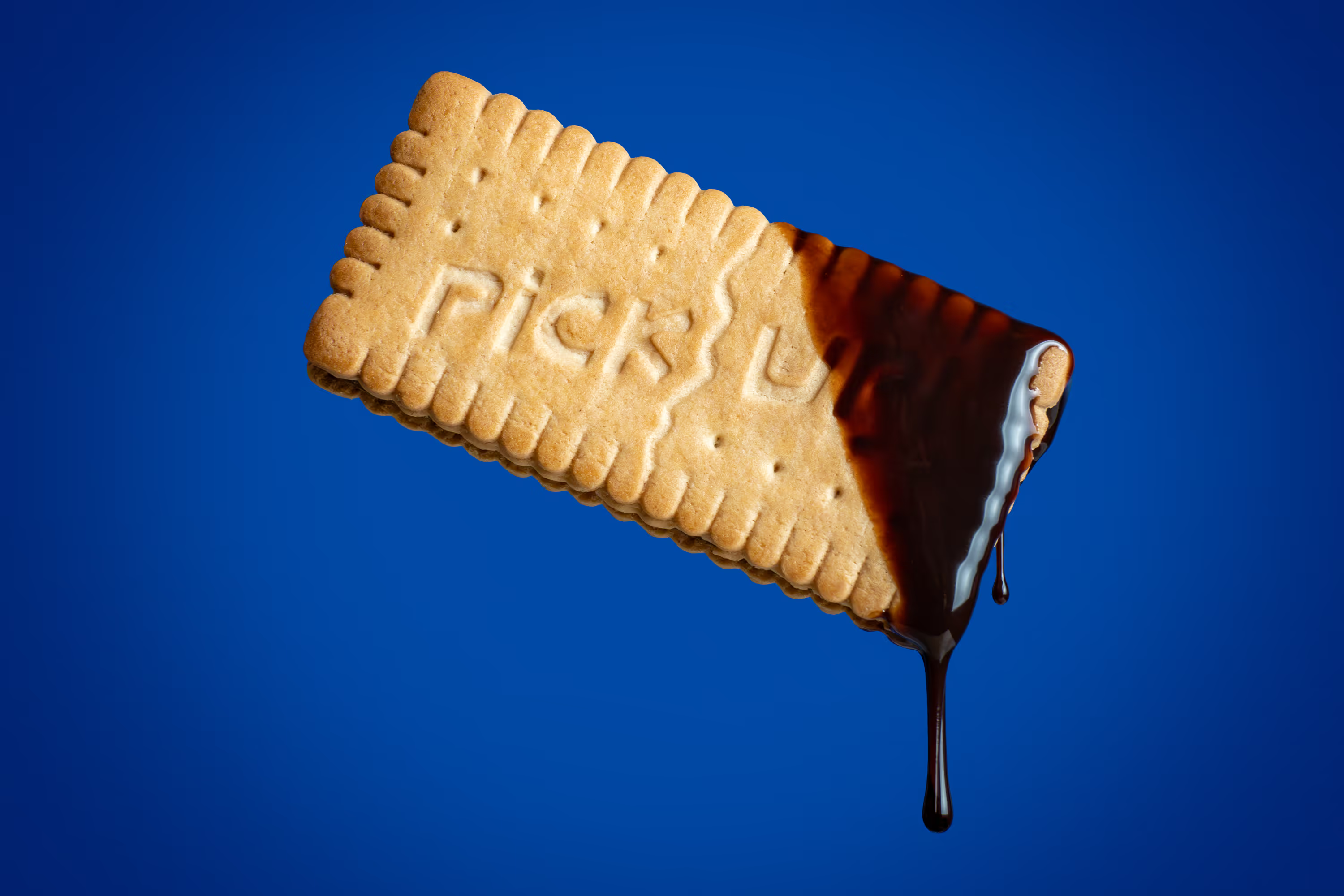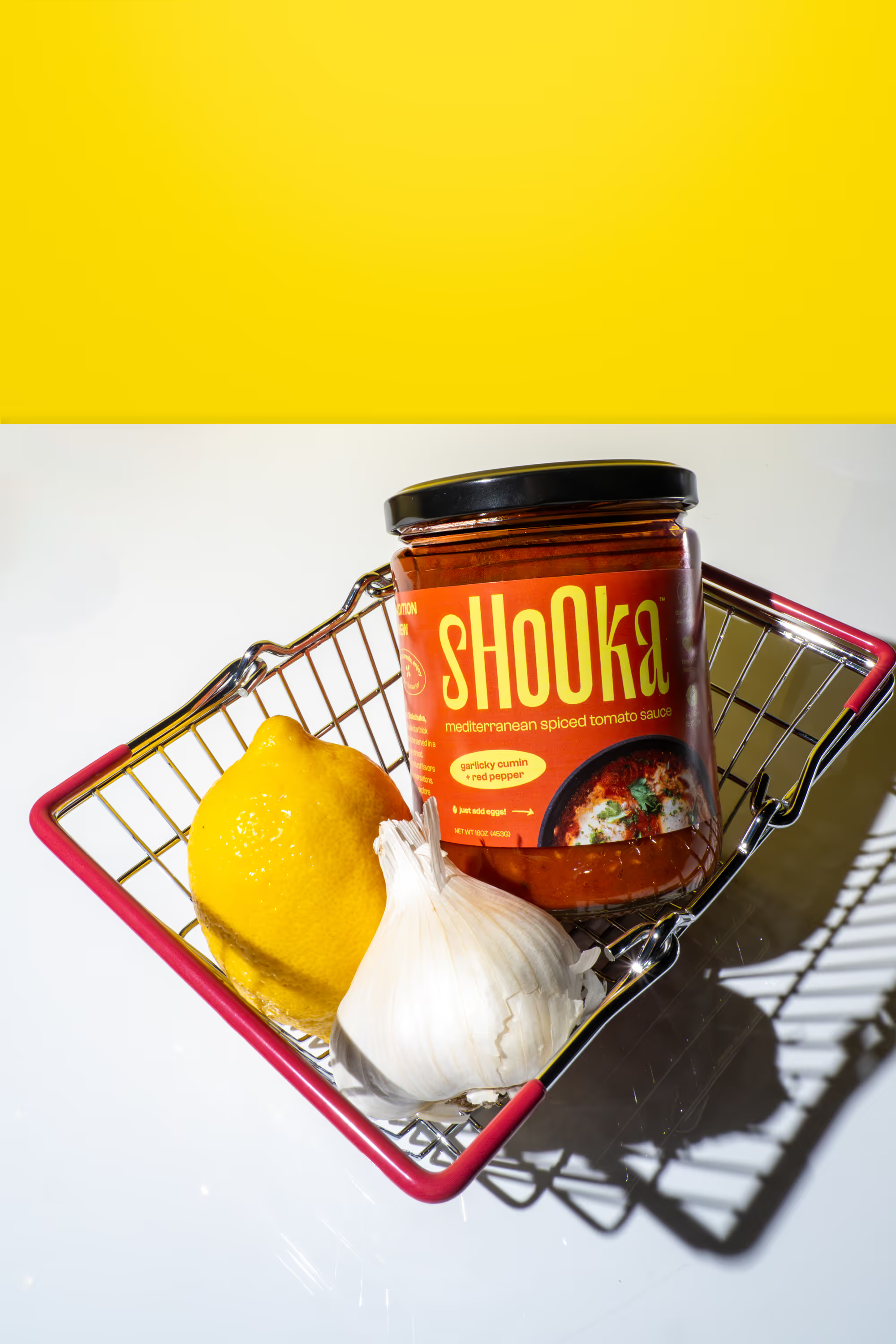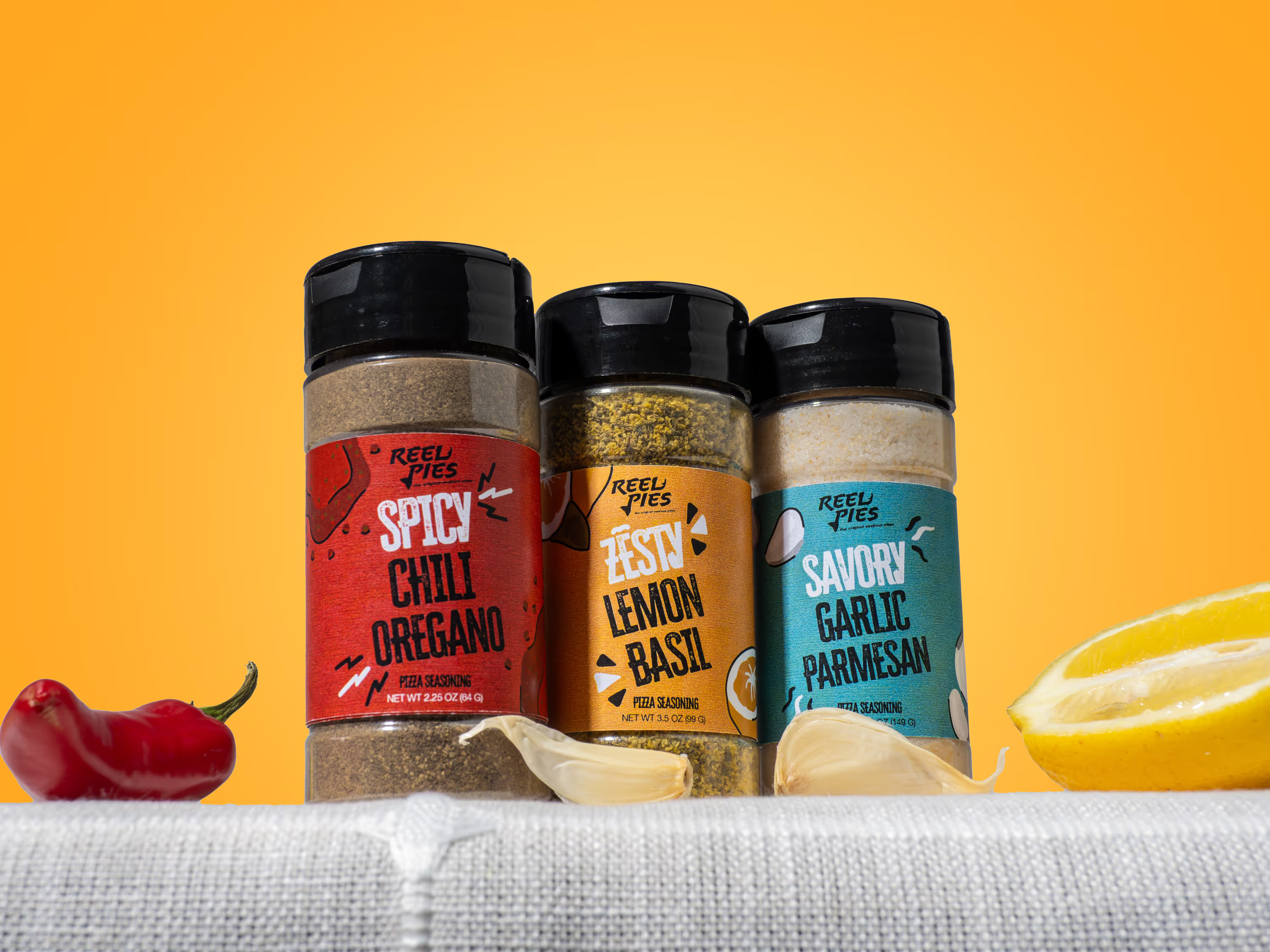
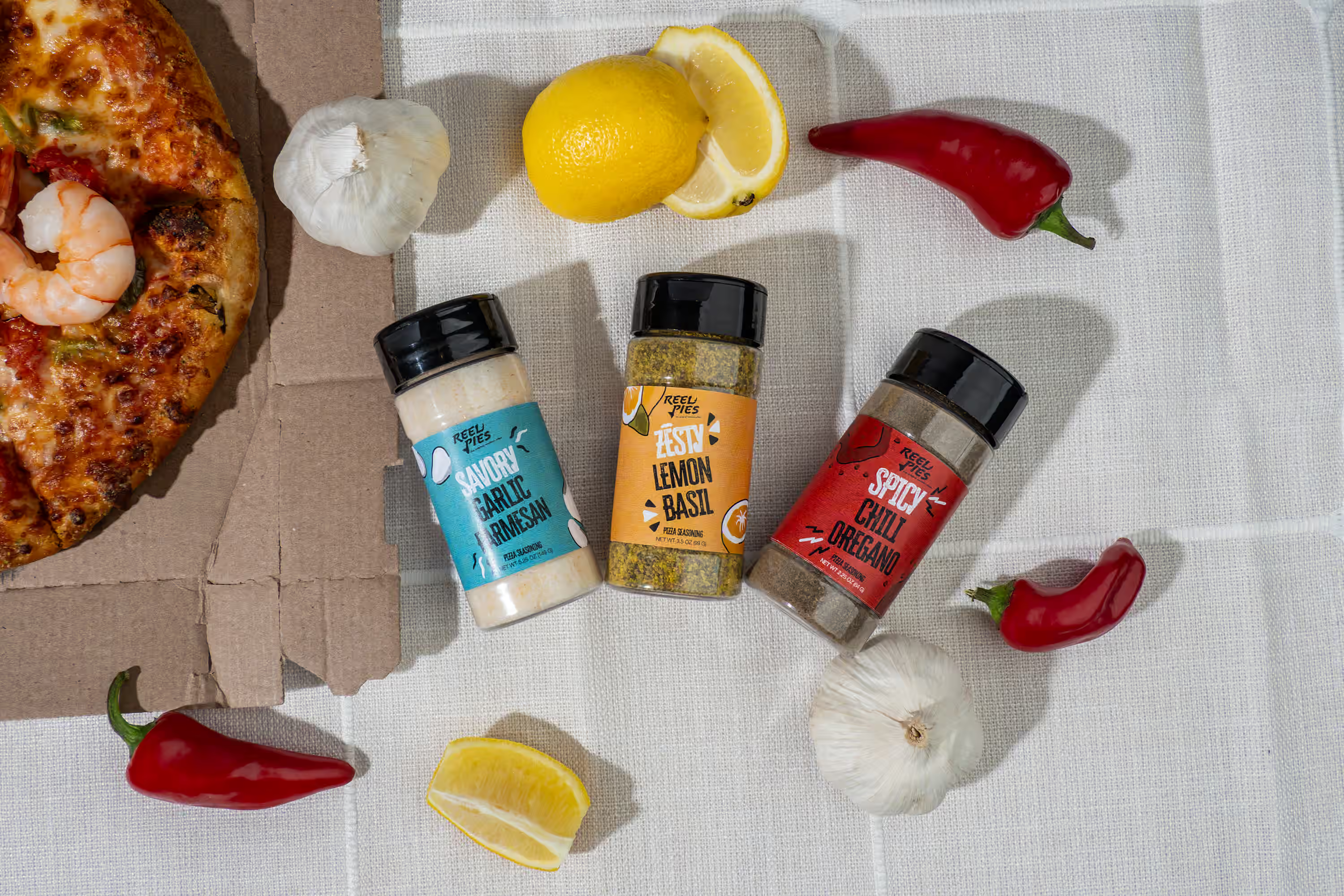
Three product photography angles do most of the heavy lifting for CPG brands: straight-on (0°), 45-degree, and flat lay (90° overhead). Each serves a specific purpose. And the answer to "which one converts best?" is all three, but only if you put each one in the right place.
Most guides treat product photography angles like a creative preference. Pick whichever "feels right." But your photos show up in at least five different contexts: your Amazon listing, your Shopify PDP, your Instagram feed, your paid ads, and your email campaigns. Each context has a different goal. And each angle does a different job.
Here's how to match the right angle to the right channel.
What Does Each Angle Do for Your Brand?
A 2018 study published in SAGE journals by Baranowski and Hecht found eye-level camera angles produce significantly higher trust ratings than high or low angles. This maps directly to how your CPG product photography performs across channels.
Straight-on (eye level / 0°) shows your product the way a customer would see it on a shelf. It's honest, clear, and accurate. For your Amazon main image, this is the standard. Amazon requires a white background and a front-facing shot for good reason: it builds immediate trust. Straight-on photos tell the customer "what you see is what you get."
45-degree angle adds dimension. You see the front label and the top of the package in one frame. This angle feels familiar because it mirrors how we naturally look down at products on a table or counter. Research from PixelPhant confirms the 45-degree angle creates familiarity and trust by matching our everyday viewing perspective. It's the workhorse angle for product detail pages and secondary listing images.
Flat lay (overhead / 90°) gives you a bird's-eye view and works best when you want to show a collection, a spread, or a lifestyle moment. Social media engagement data from 2024 shows well-executed flat lays generate up to 94% more views than standard product shots on Instagram and Pinterest. The flat lay is playful, casual, and great for storytelling, both on social and on your PDP.
The mistake is picking one and using it everywhere. The smart move is knowing where each product photography angle performs best.

Which Product Photography Angles Work Best on Your Product Page?
Your product detail page needs at least three angles to perform. Multi-angle image sets increase conversions by up to 65%, and 75% of online shoppers say product images are the single biggest factor in their buying decision.
Here's the framework we use at Photos by Lars for every CPG shoot:
Your set should start with a straight-on hero shot on white background. This is your trust shot. It answers the question "what am I buying?" Clean, accurate, no distractions. Amazon requires it. Shopify rewards it. Your click-through rate depends on it.
From there, your gallery should include a mix: a 45-degree angle showing the label, cap, and texture so customers feel like they're picking the product up and turning it. A flat lay placing the product in a styled scene, like a cold brew surrounded by ice and coffee beans, or a hot sauce bottle on a cutting board with fresh ingredients. A close-up detail shot of the ingredients panel or texture. Another 45-degree or flat lay variation giving a different mood or colorway. And at least one more lifestyle or context shot answering "how does this fit into my life?"
The goal is 7-8 images with a natural rhythm: trust shot first, then alternating between informational and emotional images. This mix drives the confidence to click "add to cart" and reduces returns by setting accurate expectations.
We handle this full image set in a single shoot day, with 3 to 5 day turnaround on final files. You get every angle your listing needs without coordinating multiple sessions.
How Do You Choose Angles for Social Media vs. Ads?
Different platforms reward different angles. Here's the breakdown:
Instagram and Pinterest feed posts: Flat lays win. The overhead perspective feels native to these platforms. It's how people scroll. A styled flat lay with complementary props stops thumbs mid-scroll and tells a story in a single frame. Engagement rates on flat lay content consistently outperform standard product shots for food and beverage brands.
Paid ads (Meta, TikTok, display): The 45-degree angle outperforms here. A/B testing data from FocalFlow shows 45-degree angles better display product features than front-facing shots, reducing returns while increasing conversions. The added dimension holds attention longer in a crowded feed. When briefing your photographer for ad creative, ask for 45-degree angles with lifestyle context built in.
Email campaigns and website banners: A slight low angle (around -20°, looking up at the product) works well here. This is the classic hero shot: the product looks larger than life, commanding, and premium. The simplicity of a low-angle hero shot makes it easy for your designer to drop into templates and banner layouts where the product needs to dominate the frame.
Amazon and retail listings: Straight-on for the hero image (non-negotiable for compliance). 45-degree, flat lay, and detail shots for secondary slots. Amazon's own data shows listings using all available image slots with varied product photography angles see higher conversion rates.
The point: don't ask "which angle converts best?" Ask "which angle converts best here?"

Why Using All Three Angles Beats Picking a Favorite
Product pages using both lifestyle and studio-style photography see an average 30% increase in conversion rates, according to industry data compiled by eMarketer. The combination works because different angles speak to different parts of the buying decision.
Straight-on builds trust ("this is a real product"). The 45-degree creates familiarity ("I know how this would look on my counter"). And flat lays build desire ("I want this in my life").
When a customer lands on your page, they're making a split-second judgment. Research from Nielsen Norman Group shows users decide to stay on a page within 10-20 seconds. Multiple angles give them more reasons to stay, more information to process, and more confidence to buy.
Here's the bigger picture for your brand: each angle fills a gap in the customer journey. Straight-on shots do the work on marketplaces where accuracy drives clicks. The 45-degree angle builds the "I've seen this before" recognition across ads and retargeting. Flat lays create the aspirational content fueling your organic social and giving your PDP emotional depth. When you shoot all three in a single session, you walk away with a complete visual toolkit covering every touchpoint.
At Photos by Lars, we plan every shoot to deliver this full set. We take care of the heavy lifting, from shot list and styling to post-production, so your team briefs one shoot and gets images for every channel. Check out our CPG portfolio to see how this looks in practice.
Common Questions
Do I need all three angles for every product?
For most CPG food and beverage products, yes. Your Amazon listing alone needs 7-8 images to perform well, and those should include at least two different angles plus lifestyle context. Planning for all three from the start saves you from coordinating a second shoot later.
Which angle is best for a white background product shot?
Straight-on is the standard for white background hero images. It's what Amazon requires and what customers expect as the first image they see. For secondary white background shots, the 45-degree angle adds depth and gives customers a more complete view of the packaging.
Are flat lays worth the extra styling time?
Absolutely, for social media and your PDP alike. Flat lay content outperforms standard product photography on visual platforms and gives your brand a storytelling tool other angles don't offer. Ask your photographer to plan the styling during pre-production so it doesn't add shoot-day time. At Photos by Lars, flat lays are a standard part of our food and beverage photography packages.
What if my budget only covers one type of shoot?
Prioritize the 45-degree angle. It's the most versatile option, working on product pages, in ads, and on social. Straight-on white background shots are essential for marketplace listings, but the 45-degree gives you the most flexibility per dollar.
Does camera angle affect return rates?
Yes. Products with professional multi-angle photography see return rates 23% lower than products with single-angle or basic images. When customers see your product from multiple perspectives before buying, there's less gap between expectation and reality.
We put together a free tool scoring your brand's visual content across six categories, including product photography angles and image variety. See where your visuals stand and get a clear picture of what to improve first. Take the Brand Visual Scorecard →